Mindfulness programs show promise for cognitive decline, but home practice fades
Mindfulness looked feasible for memory loss, with 21 studies showing strong attendance. The catch: home practice dropped as impairment deepened.
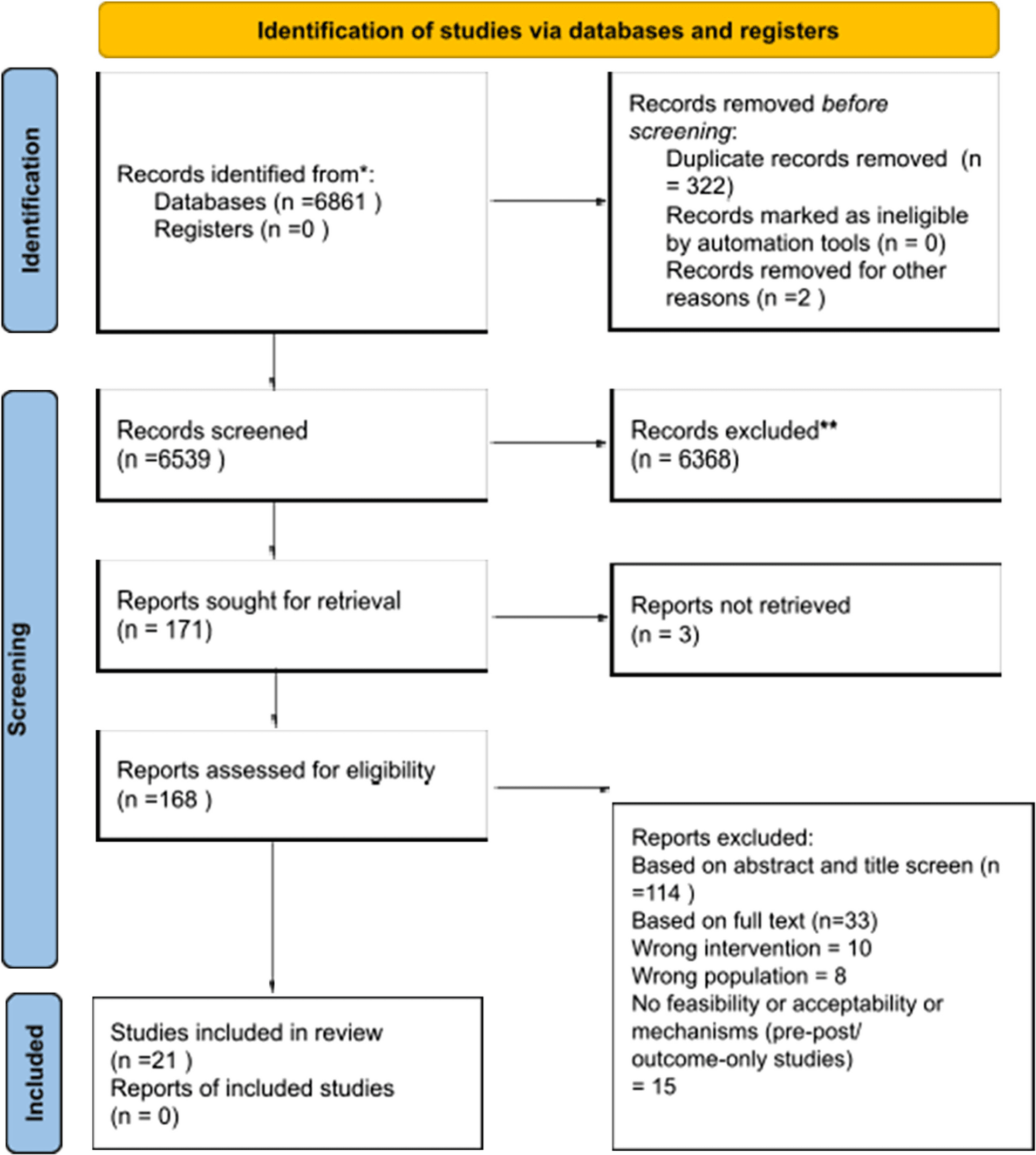
Mindfulness can be welcomed by people living with cognitive decline, but the home practice that usually supports it may be the first piece to fall away as impairment advances. That is the clearest practical message from Angela Jennifer Pusram and Liz Forbat’s review, which pulled together 21 studies on mindfulness-based stress reduction, mindfulness-based cognitive therapy, and adapted mindfulness programmes for people with subjective cognitive decline, mild cognitive impairment, broader cognitive impairment and dementia.
The review, published on 10 April 2026 in Mindfulness, found that the programs were generally feasible and well accepted. Session attendance was high, and participants with memory loss often described the experience as meaningful rather than burdensome. But the same review also showed a boundary that matters in real care settings: home-practice adherence declined as impairment became more advanced. For families, facilitators and clinicians, that points to a simple design lesson, mindfulness for cognitive decline works better when it is adapted to capacity, not when it assumes everyone can keep up with standard homework.
The evidence for outcomes was encouraging but far from settled. Across the studies, findings on stress, agitation, affect and worry were mixed, and much of the literature came from small pilot trials that were not powered to make strong efficacy claims. Even so, the review found early mechanistic signs that deserve attention, especially in subjective cognitive decline and mild cognitive impairment. Those included improved non-reactivity, better attentional regulation and reductions in stress markers.

Just as important were the qualitative reports. Participants described better emotional regulation, greater acceptance of memory loss and a stronger sense of agency in day-to-day coping. In a field that often asks whether mindfulness can “work” for dementia, that matters. Feeling less overwhelmed and more capable can be a real outcome in its own right, especially when memory changes already chip away at confidence and routine.
The public-health backdrop is hard to ignore. The review notes that dementia prevalence in the United Kingdom is projected to rise from an estimated 997,000 people to 1.4 million by 2040, and that anxiety and depression are common in both dementia and early memory loss. That helps explain why non-drug support remains so relevant. A 2021 systematic review had already identified 20 randomized controlled trials in this area, and a 2020 pilot in mild cognitive impairment found 20 of 28 participants completed an eight-week program while lower home-practice adherence tracked with more severe decline. A 2025 protocol for an eight-week online mindfulness program for 32 UK participants with mild cognitive impairment or mild dementia shows the field is now pushing toward more accessible delivery. The direction is clear: keep the practice gentle, realistic and supported, because the promise of mindfulness in cognitive decline lies in adaptation, not overreach.
This article was produced by Prism’s automated news system from verified source data, official records, and press releases, then run through automated quality and moderation checks before publishing. The system is built and supervised by the people who set the standards it runs under. Read our full AI policy.
Did this article answer your question?