Mindfulness Therapy Tested for Internet Gaming Disorder in Korean Students
A 46-student South Korean pilot tests whether MBCT can break the stress-impulsivity loop behind gaming disorder on campus. It's a promising signal, not a proof.
Mindfulness meets a campus problem
A 46-student pilot in South Korea is testing something mindfulness has rarely been asked to do so directly: help college-aged gamers interrupt the loop of stress, impulsivity, mood swings, and weak self-control that can keep internet gaming disorder going. The study uses mindfulness-based cognitive therapy, or MBCT, in a group format, with eight weekly 1.5-hour sessions for students ages 18 to 24 who were identified as high risk.
What makes this interesting is not just that mindfulness was used, but what it was aimed at. MBCT is built to help people step back from reactive thoughts and emotions, notice them without judgment, and regain enough distance to choose a different response. In gaming disorder, that matters because the problem is often less about screen time alone and more about the cycle underneath it.
What MBCT-G is designed to target
MBCT-G adapts the classic mindfulness-based cognitive therapy model to gaming disorder. Instead of treating gaming as a simple habit to break, it focuses on the mental loop that can keep the habit alive: distress leads to escape, escape leads to more gaming, and more gaming can deepen guilt, stress, and loss of control. The therapy tries to build decentering, the capacity to see thoughts and urges as events in the mind rather than commands to obey.
That framing is important for anyone following the mindfulness field closely. This is not mindfulness as generic calm or relaxation. It is mindfulness as a practical tool for a specific behavioral-health pattern, with the intervention also measuring depressive symptoms, anxiety, perceived stress, and self-control alongside gaming disorder itself. The primary outcome was the Internet Gaming Disorder-20, which shows the study was built to ask a concrete question: can this method change the disorder’s core symptoms, not just make participants feel slightly more balanced?
How the pilot was set up
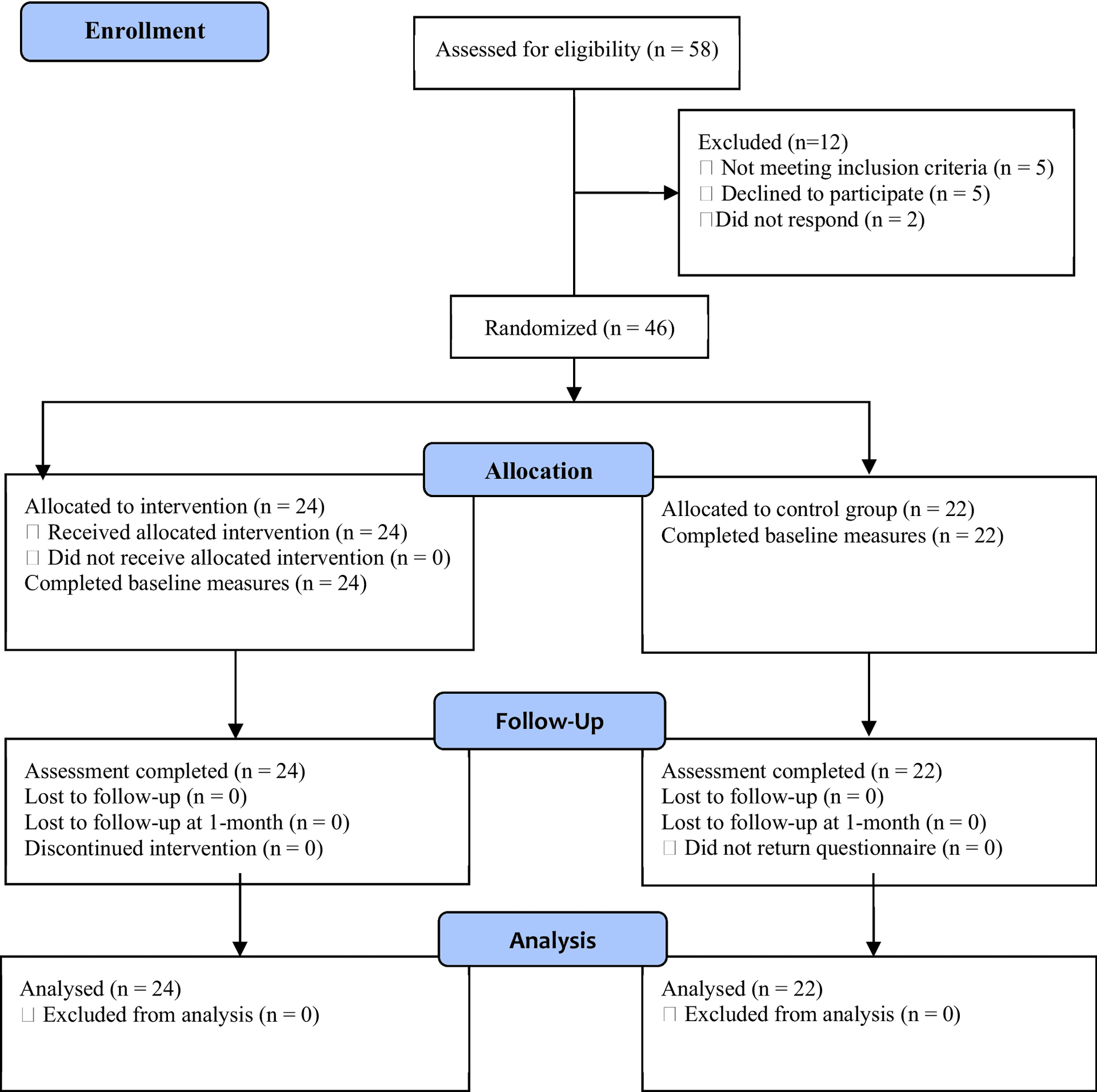
The study used a randomized clinical trial design in South Korea in 2025. Forty-six college students at high risk for internet gaming disorder were assigned to two groups: 24 took part in MBCT-G, and 22 received no intervention. The intervention ran as eight group sessions, each lasting 1.5 hours, which is a format that matters in the real world because it is more feasible for campuses and community settings than one-on-one treatment alone.
That design gives the project practical value, but it also makes the limits easy to see. This is a pilot with a small sample, and the control group received no intervention, not an active comparison such as another therapy or support program. That means the study can help show whether MBCT-G is workable, acceptable, and worth scaling, but it cannot by itself settle how strong the treatment is compared with other approaches. For readers who want the bottom line, the right read is: promising signal, not proof.
Why South Korea is such a revealing test case
South Korea is one of the most closely watched settings for gaming disorder research, and the numbers help explain why. A 2023 bibliometric review of Korean IGD research found 330 publications and 658 authors, with the busiest publication years concentrated in 2017, 2018, and 2019. The recurring keywords included adolescent, self-control, and impulsivity, which tells you the field has long understood this condition as more than a matter of hours spent playing.

The newer population data are just as striking. A 2024 national mental health survey found a 12-month prevalence of internet gaming disorder of 0.8 percent among adults ages 18 to 49, while 1-month problematic game use reached 8.4 percent. The same survey found higher IGD among men, younger people, unemployed people, and those reporting low physical activity, loneliness, social isolation, and poorer quality of life. It also found significant associations with alcohol use disorder and ADHD.
For a college setting, that mix is especially relevant. Students are already navigating academic pressure, sleep disruption, social comparison, and late-night digital habits. A group-based mindfulness intervention fits that environment because it can be delivered where the pressure shows up, not only after the problem becomes severe.
Where gaming disorder sits in the bigger clinical picture
The trial also lands in a diagnosis that still carries some controversy. The World Health Organization included gaming disorder in ICD-11, which was released in mid-2018 and later endorsed in 2019, in part to help countries plan public-health strategies and treatment. WHO has also pointed to gaming-related harms that can include sleep deprivation, depression, and broader psychosocial problems.
At the same time, the diagnosis has not been universally embraced without debate. That tension is part of why treatment studies matter so much: they help move the conversation away from labels alone and toward what actually helps people function better. In that sense, the South Korean pilot is not just a mindfulness story. It is also part of the effort to define what effective care looks like for a digital-age behavioral disorder.
Why the MBCT pedigree matters
MBCT is not arriving here as a speculative add-on. Willem Kuyken’s work at Oxford centers on developing and testing cognitive-behavioral and mindfulness-based approaches with a strong evidence base, and Oxford’s MBCT training is a two-year, part-time professional program. That lineage matters because it ties the gaming-disorder pilot to a method that has already been refined in serious clinical and academic settings.
The study also fits a broader trend in the field. The American Psychological Association has described cognitive behavioral therapy and mindfulness training as promising treatments for problem gaming, and a 2026 adolescent study also tested group-based mindfulness therapy for gaming disorder, which suggests the approach is spreading beyond college populations. There is also policy interest in the background: a Sungkyunkwan University resource links the work to 2024 funding from the Korea Creative Content Agency for game-based digital therapeutics aimed at adolescent mental health and behavioral control.
Taken together, those details show the same thing from different angles. Mindfulness is being pulled out of the general wellness lane and tested as a more precise behavioral intervention for gaming disorder, with group delivery, campus relevance, and digital-life stress all in view.
The key question now is not whether mindfulness can help people feel calmer. It is whether MBCT-G can interrupt the thought-behavior loop that drives compulsive gaming strongly enough to change daily life. This pilot says that idea deserves a larger, more rigorous trial, and that is exactly the kind of next step this field needs.
This article was produced by Prism’s automated news system from verified source data, official records, and press releases, then run through automated quality and moderation checks before publishing. The system is built and supervised by the people who set the standards it runs under. Read our full AI policy.
Did this article answer your question?