New Delhi to Host Global Meditation Leaders Conference in April 2026
India's VP C. P. Radhakrishnan joined Swami Chidanand Saraswati and Padma Shri Dr. H. R. Nagendra at GCML 2026, where meditation's policy ambitions moved to the national stage.
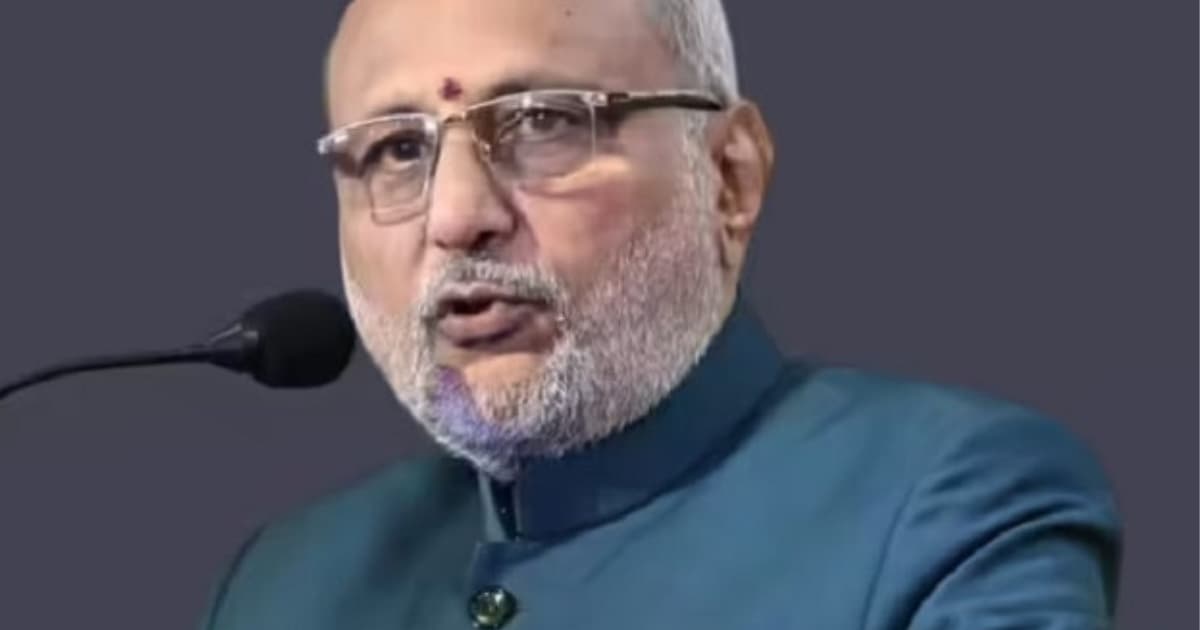
India's Vice President C. P. Radhakrishnan took the seat of chief guest at the Global Conference of Meditation Leaders in New Delhi, lending the weight of national office to an argument the meditation community has been advancing for years: that contemplative practice belongs not only on the individual cushion but inside the institutions that shape public life at scale.
The three-day gathering, held April 3-5 at Bharat Mandapam, was organized by the Buddha-CEO Quantum Foundation with support from India's Ministry of AYUSH. That institutional pairing matters beyond optics. AYUSH holds the policy infrastructure to move evidence-based recommendations into national health frameworks, making its involvement considerably more than ceremonial endorsement.
The speaker roster was built for cross-disciplinary reach. Spiritual teachers Swami Chidanand Saraswati and Sadhvi Bhagawati Saraswati shared the agenda with Padma Shri Dr. H. R. Nagendra, the founder vice chancellor of Swami Vivekananda Yoga Anusandhana Samsthana and one of India's foremost figures in yoga research and therapy, and Dr. Vinod K. Paul, a medical and academic voice with deep ties to health policy. Placing these figures in the same room alongside government representatives was itself a programmatic statement about where the field is heading.
April 3 was designated the Buddha-CEO Annual Meet & Vision Day, framing meditation explicitly through the lens of leadership rather than personal wellness. The main conference sessions ran April 4 and 5, addressing integration of contemplative practices into health systems, educational settings, and governance frameworks. Guided meditation sessions ran alongside the panels, so attendees moved between direct practice and institutional debate rather than engaging only in the abstract.
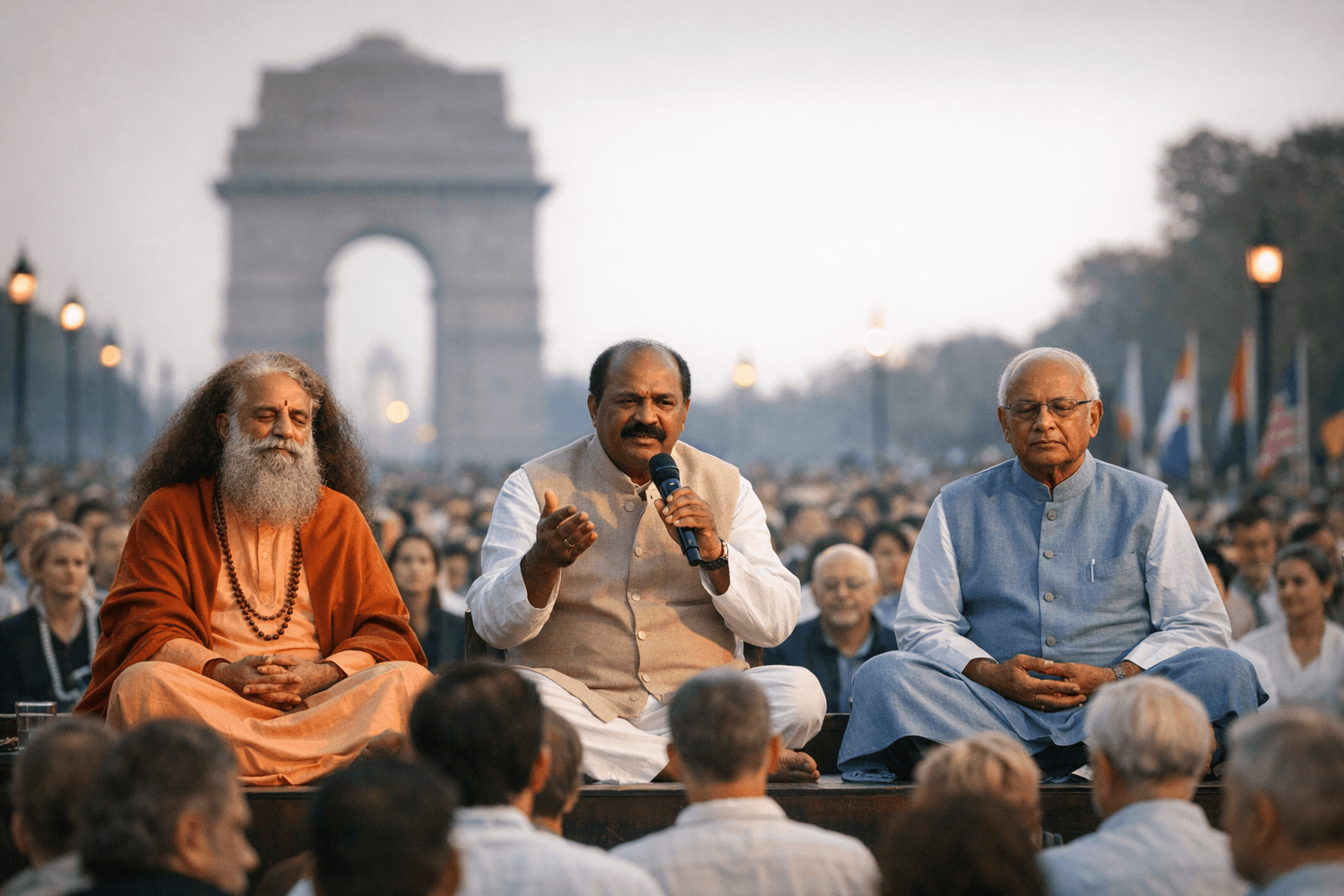
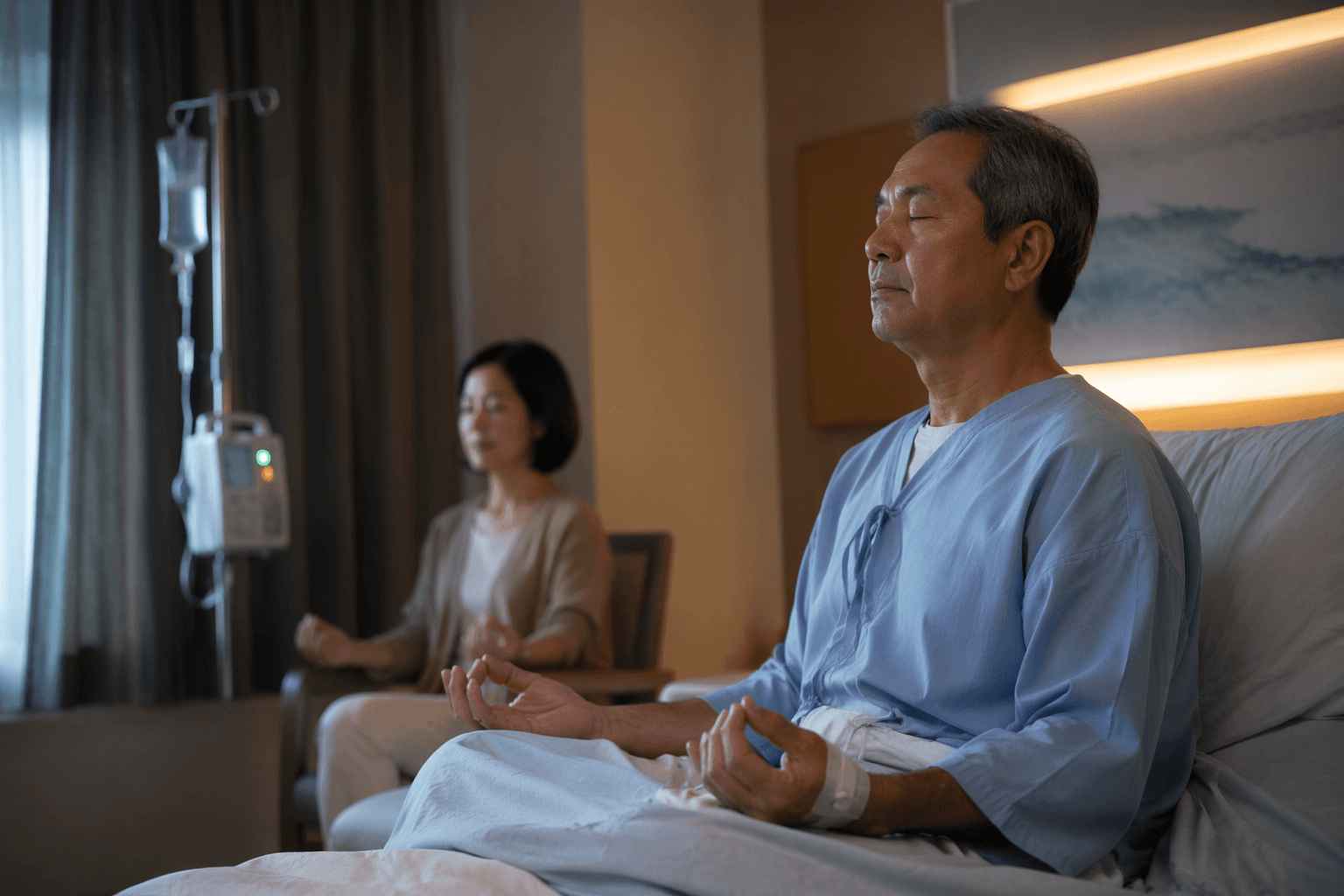
Organizers described the conference's central project as bridging ancient contemplative traditions and the modern scientific evidence base, with an explicit goal of evidence-informed policy adoption. The practical questions on the table were ones the field has long wrestled with: how to scale meditation programs across diverse populations, how to adapt practices across cultural contexts, and what the evidence actually supports when applied beyond clinical settings.
For meditators tracking where the field is moving institutionally, the governance angle was the signal worth noting. Most mainstream meditation research has focused on personal outcomes, including stress, sleep, anxiety, and cognitive performance. GCML 2026 pushed the frame further, asking how contemplative practices might shape the decision-making of the people designing those health and education systems, not only the populations moving through them.
Livestream access was made available for those unable to attend in person, with registration and scheduling details hosted through the conference organizers' platform. Whether the event produces concrete policy proposals, research collaborations, or formal institutional commitments from health and education sectors will be the measure of its lasting weight. With the Ministry of AYUSH's backing and the Vice President's chair at the table, the conditions for that kind of follow-through carry more institutional credibility than most gatherings in this space have been able to claim.
This article was produced by Prism’s automated news system from verified source data, official records, and press releases, then run through automated quality and moderation checks before publishing. The system is built and supervised by the people who set the standards it runs under. Read our full AI policy.
Did this article answer your question?