Online mindfulness trial targets queer young adults’ depression and anxiety
A queer-specific, internet-delivered mindfulness trial asks whether tailored meditation can feel more usable and useful than generic wellness content for young adults.
What changes when mindfulness is built for queer young adults instead of handed to everyone as the same app, class, or guided audio? The MBQR trial puts that question at the center of a digital intervention for sexual and gender minority young adults dealing with depression, anxiety, minority stress, and HIV risk. Its premise is simple but unusually practical: if the program fits the lived reality better, will people actually use it, stay with it, and feel helped by it?
A mindfulness program designed for a specific life
Mindfulness-Based Queer Resilience, or MBQR, is not a standard meditation curriculum with a new label slapped on top. The study, registered as NCT05540652 and sponsored by Brown University, is built around young adult gay, bisexual, and queer men at risk for HIV, with the broader aim of testing whether a mindfulness-based program can be developed and delivered in a way that makes sense for this community. The online format matters here because access, privacy, and convenience are not side issues. They are part of the intervention itself.
That makes MBQR a useful test case for the mindfulness field. Instead of asking whether meditation works in the abstract, the trial asks whether mindfulness becomes more relevant when it is adapted to stigma, isolation, and the need for affirming care. The core question is not just whether someone can sit with their breath. It is whether a queer-specific digital format can lower the friction that keeps people from showing up in the first place.
Why minority stress belongs in the design
The clinical logic behind MBQR traces back to minority stress theory, which Ilan H. Meyer first articulated in 2003. The framework links stigma, prejudice, discrimination, internalized stigma, concealment, and expectations of rejection to mental-health inequities among sexual minorities. MBQR takes that theory seriously by building around the stressors that are specific to sexual and gender minority life, not by treating those stressors as a side note.
The public-health backdrop is also hard to ignore. The Centers for Disease Control and Prevention says gay, bisexual, and other men who reported male-to-male sexual contact accounted for 67 percent of estimated new HIV infections in the United States in 2022, or 21,400 of 31,800 new infections. CDC youth surveillance also shows substantial disparities among LGBTQ+ students, including poor mental health, suicidal thoughts and behaviors, violence, and sexually transmitted infections. In that context, a meditation program aimed at depression and anxiety is also operating in a field shaped by sexual-health inequity and chronic stress exposure.
How MBQR was shaped before the trial
The formative MBQR paper did not start with a finished curriculum. Guided by the ADAPT-ITT model, the team used community-engaged interviews and feedback to shape the intervention before the pilot phase. Researchers interviewed 15 sexual minority men with anxiety and depressive symptoms and 11 mindfulness service providers, then used those conversations to identify what a usable queer mindfulness program would need to do.
Six intervention principles emerged from that work:
- reduce minority stress
- affirm LGBTQ+ identity
- attend to intersectionality
- facilitate resilience and self-empowerment
- remain trauma-sensitive
- promote healthy relationships and community
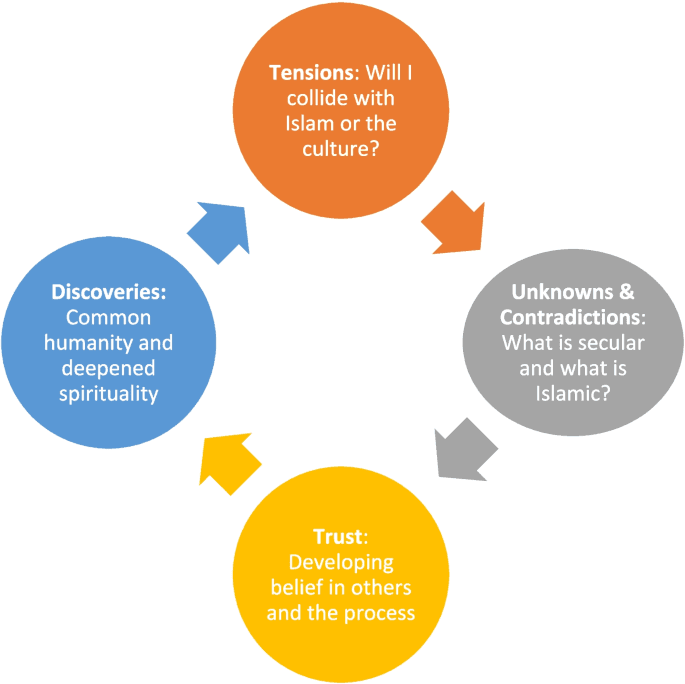
The paper also identified seven key techniques and delivery considerations, including attention control practice, emotion regulation, reducing reactivity to minority-stress-related thoughts, self-compassion, and reducing behavioral avoidance. Just as important, the formative work flagged practical concerns around religion-related discomfort and the value of modern technology for reach, access, and engagement. That is where the internet-delivered format stops being an afterthought and starts looking like the point.
What the feasibility trial is actually measuring
MBQR is being tested first as a feasibility and acceptability question, not as a grand claim about curing depression or anxiety overnight. ClinicalTrials.gov says the study’s first phase used qualitative, community-engaged methods plus an online survey to inform the intervention, and the next phase moved into an open pilot with 18 participants. A recent summary of the trial says 25 young adults were recruited and 19 initiated the program, which gives the project an early signal that the model is at least workable as an online intervention.
The statistical analysis plan is equally grounded in everyday implementation realities. Feasibility and acceptability are being measured through recruitment rates, retention and attrition rates, session attendance, the Client Satisfaction Questionnaire, session evaluation forms, and exit interviews. Those are the right kinds of markers for a program that lives or dies on whether people will actually log on, keep going, and find the material worth their time. In digital mental health, a program that looks promising on paper but loses people after the first session is not ready for scale.
How it fits the wider mindfulness-and-LGBTQ+ evidence base
MBQR is not appearing in isolation. A 2024 study of 387 queer young adults found that mindfulness and meditation were associated with lower mental-health symptoms, which helps explain why researchers are increasingly interested in adapting mindfulness rather than simply exporting generic wellness content into queer spaces. That association does not answer every question, but it does point in the same direction as MBQR: targeted mindfulness may land differently when it reflects the stress landscape of the people using it.
Other internet-delivered interventions are moving along similar lines. Project RISE recruited 538 LGBTQ+ adolescents nationally through Instagram ads in May 2022, showing how digital outreach can find young people outside traditional clinic pathways. The REDUCE protocol goes even more specific, describing a smartphone-based mindfulness intervention for 80 young sexual and gender minorities of color ages 18 to 29. Taken together, these projects suggest that the field is moving away from generic self-help language and toward programs that are narrower, more legible, and easier to locate in the real world.
That is the real test MBQR is posing. If mindfulness is designed around minority stress, identity affirmation, trauma sensitivity, and the realities of online access, it may become more than a universal wellness promise. It may become something queer young adults can actually use, stay with, and recognize as meant for them.
This article was produced by Prism’s automated news system from verified source data, official records, and press releases, then run through automated quality and moderation checks before publishing. The system is built and supervised by the people who set the standards it runs under. Read our full AI policy.
Did this article answer your question?