Study explores culturally adapted mindfulness for Muslim communities
This study puts Muslim experience at the center, showing mindfulness works better when teachers adapt language, framing, and classroom norms instead of assuming a secular default.
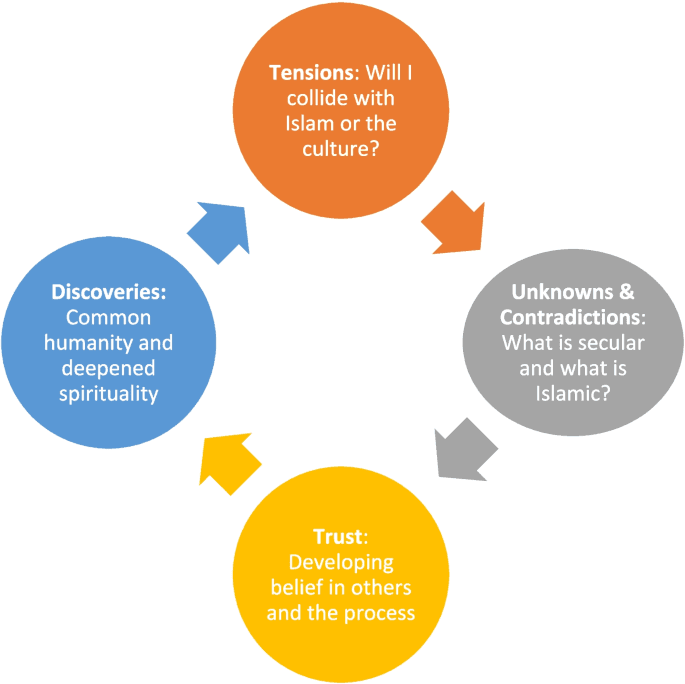
Mindfulness-based interventions can look universal on paper, but the room changes fast when the people in it are Muslim and the teacher is still using a one-size-fits-all script. This new paper in Mindfulness takes that pressure point seriously: it centers Muslim participants and the teachers working with them, instead of treating religion, language, and community context as side issues. The result is less about abstract acceptance and more about the practical question every teacher has to answer: what needs to be adapted, what needs to be clarified, and what should not be assumed at all?
Why this paper lands in a real gap
The authors, Eman Al-Bedah, Vuokko Wallace, and Paul Chadwick, were listed on the University of Bath research portal, which shows the paper was accepted on June 16, 2026. The study is framed around a familiar tension in mindfulness: mindfulness-based interventions are widely described as evidence-based, practical, and cost-effective, yet many programs are still delivered as if culture and religion do not change how people hear them. That gap matters because Muslim communities are diverse across countries and generations, and mental health services often arrive with language, values, and routines that were never built with them in mind.
The point is not that mindfulness has to become religious. It is that a rigidly secular presentation can be just as alienating as a clumsy spiritual one. When the framing misses the participant’s actual world, even a strong intervention can feel like it was designed for someone else.
What the study is really asking teachers to notice
The title and abstract point to two perspectives at once: the people teaching mindfulness and the people receiving it. That matters because adaptation is not only about swapping examples or changing a few words on a handout. It is about how a class is introduced, how silence is explained, how attention is framed, and whether the practice is presented as compatible with Muslim life or as something that has to sit outside it.
- Use language that does not assume a Buddhist, New Age, or purely clinical vocabulary will land.
- Be explicit about what mindfulness is, and what it is not, so participants are not left guessing whether the practice conflicts with faith.
- Pay attention to privacy, gender norms, and group composition, especially when participants may be more comfortable in settings that feel culturally safe.
- Leave room for religious framing when participants want it, instead of insisting that the only legitimate version is a stripped-down secular one.
For teachers, that pushes the work into concrete choices:
That is the real shift here. The question is not whether mindfulness can be translated into Muslim settings. The question is whether instructors are willing to let the setting shape the practice.
What the wider literature has already been saying
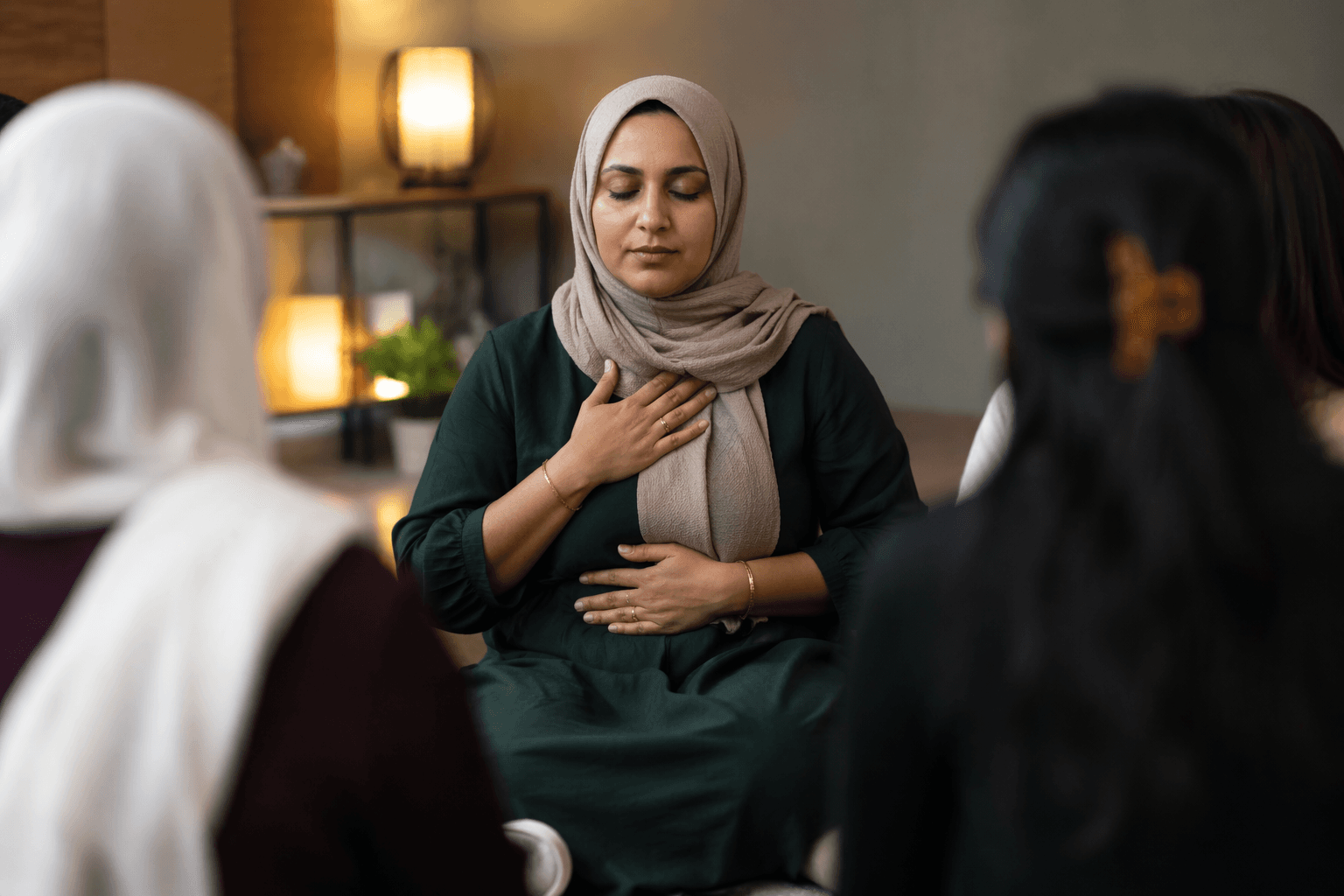
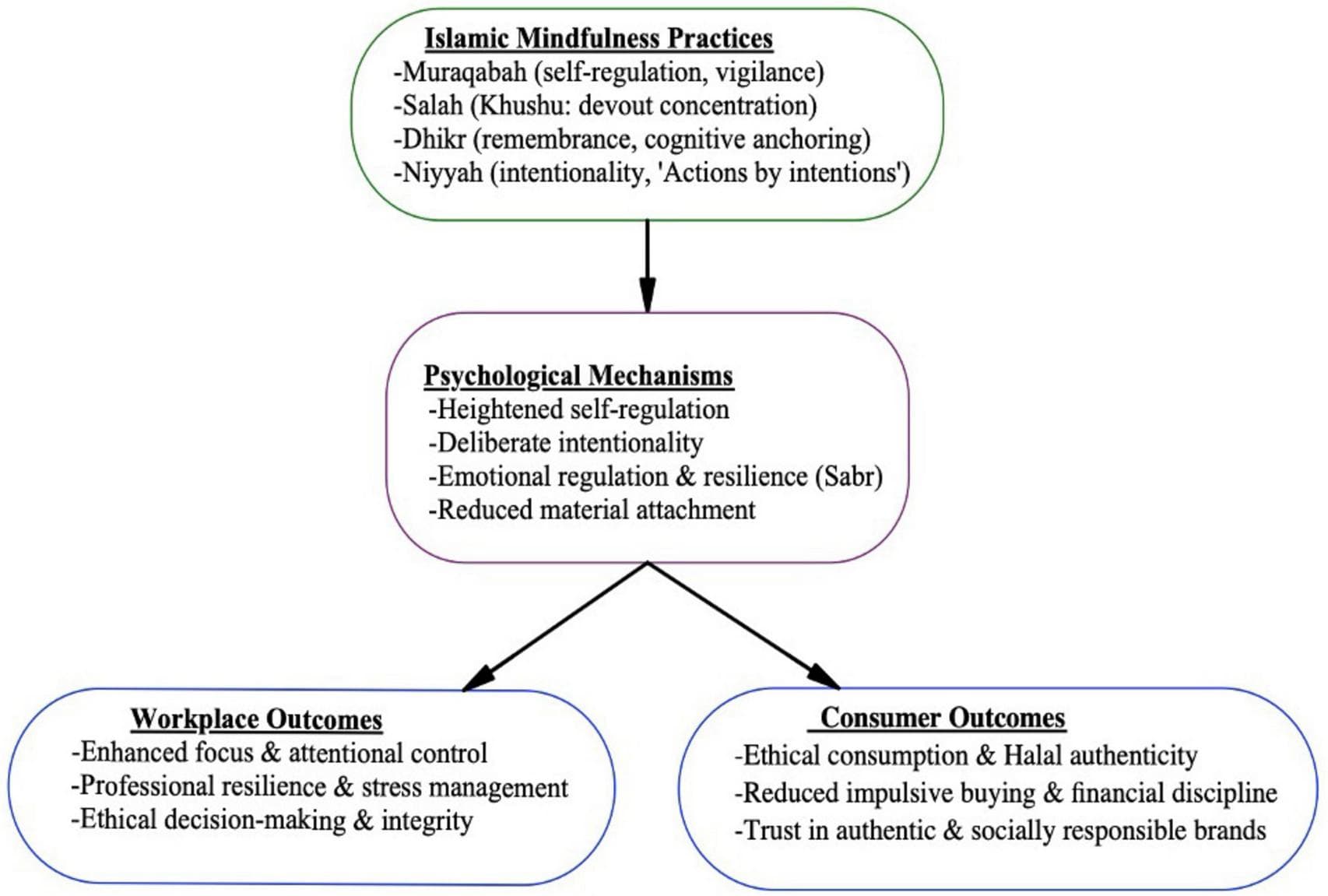
This paper does not appear in a vacuum. Related work has already argued that culturally responsive mindfulness is more acceptable when it aligns with Islamic teachings, is delivered with cultural humility, and does not assume that one secular format fits everyone. Recent work on Islamic mindfulness has also argued that intention, reflection, and disciplined attention can be understood inside culturally embedded frameworks, not only through a Western clinical lens.
A 2026 Frontiers paper adds a sharper warning: do not essentialize Muslim identity. That matters because “Muslim” is not a single cultural template. The right adaptation for one participant may feel off-key to another, which is why the paper argues for context-sensitive approaches that respect intra-group diversity. In practice, that means teachers need to be careful about overgeneralizing from one mosque, one family, one national background, or one student group and calling it “the Muslim approach.”
A 2023 scoping review on adapting mindfulness for Black American communities helps explain why this kind of Muslim-specific work has lagged. In that literature, Christianity and generalized spirituality were the dominant reference points, not the specific cultural and religious worlds of the people being served. Once you notice that pattern, the absence of Muslim-centered framing in mindfulness research looks less like an accident and more like a familiar blind spot.
Why the population data matter
The scale and diversity of the audience make this more than a niche concern. Pew Research Center says Muslims make up about 1% of the U.S. adult population, roughly a third of U.S. Muslim adults are under age 30, and 60% say religion is very important in their lives. Pew’s 2023-24 Religious Landscape Study surveyed 36,908 U.S. adults between July 17, 2023, and March 4, 2024, which gives those figures serious weight.
That combination of youth, religious seriousness, and demographic visibility has practical consequences for mindfulness teachers working in schools, universities, clinics, and community programs. A class built around vague universalism may miss the students who are most likely to ask whether the practice is compatible with what they already believe and do. A class that acknowledges religion too awkwardly can lose trust even faster.
What mental-health services still get wrong
The Woolf Institute’s Faith in Mental Health project, which began in June 2022 and ran for two years, found a problem that mindfulness teachers should recognize immediately: many Muslims actively seek therapy or counseling but feel their faith is routinely ignored. The report’s recommendations are blunt and useful, calling for more religious-literacy training, religiously literate therapists where available, better signposting, and closer work with Muslim-led organizations.
That lines up with another barrier the report and related review work identify: stigma is not the whole story. Self-stigma, low familiarity with services, and cultural beliefs about mental illness also shape whether people show up and whether they stay. For mindfulness programs, that means the challenge is not only recruitment. It is retention, trust, and whether the participant feels seen once they are in the room.
What to adapt, what to avoid, what to clarify
If this paper has a practical lesson, it is that cultural fit is built in the first few minutes, not after the curriculum is over. Teachers who want Muslim participants to stay engaged should be ready to explain the practice in plain, non-fluffy language, make room for faith-compatible framing, and stop assuming that “secular” automatically means neutral. They should also avoid using Christian or generalized spiritual references as the default shortcut for meaning.
Equally important, they should clarify the boundaries of the practice. If mindfulness is being taught as a mental skill, say so. If a group can include religious language without turning the session into religious instruction, say that too. If the setting, timing, or group makeup raises privacy or gender concerns, address them directly instead of hoping no one notices.
This paper’s deeper message is the same one that opens it: mindfulness only looks universal until you test it against real communities. In Muslim settings, the difference between a program that feels imported and one that feels usable often comes down to whether the teacher is willing to adapt the frame, not just the exercise.
This article was produced by Prism’s automated news system from verified source data, official records, and press releases, then run through automated quality and moderation checks before publishing. The system is built and supervised by the people who set the standards it runs under. Read our full AI policy.
Did this article answer your question?