Penn State Arboretum festival blends mindfulness, nature, and hands-on wellness
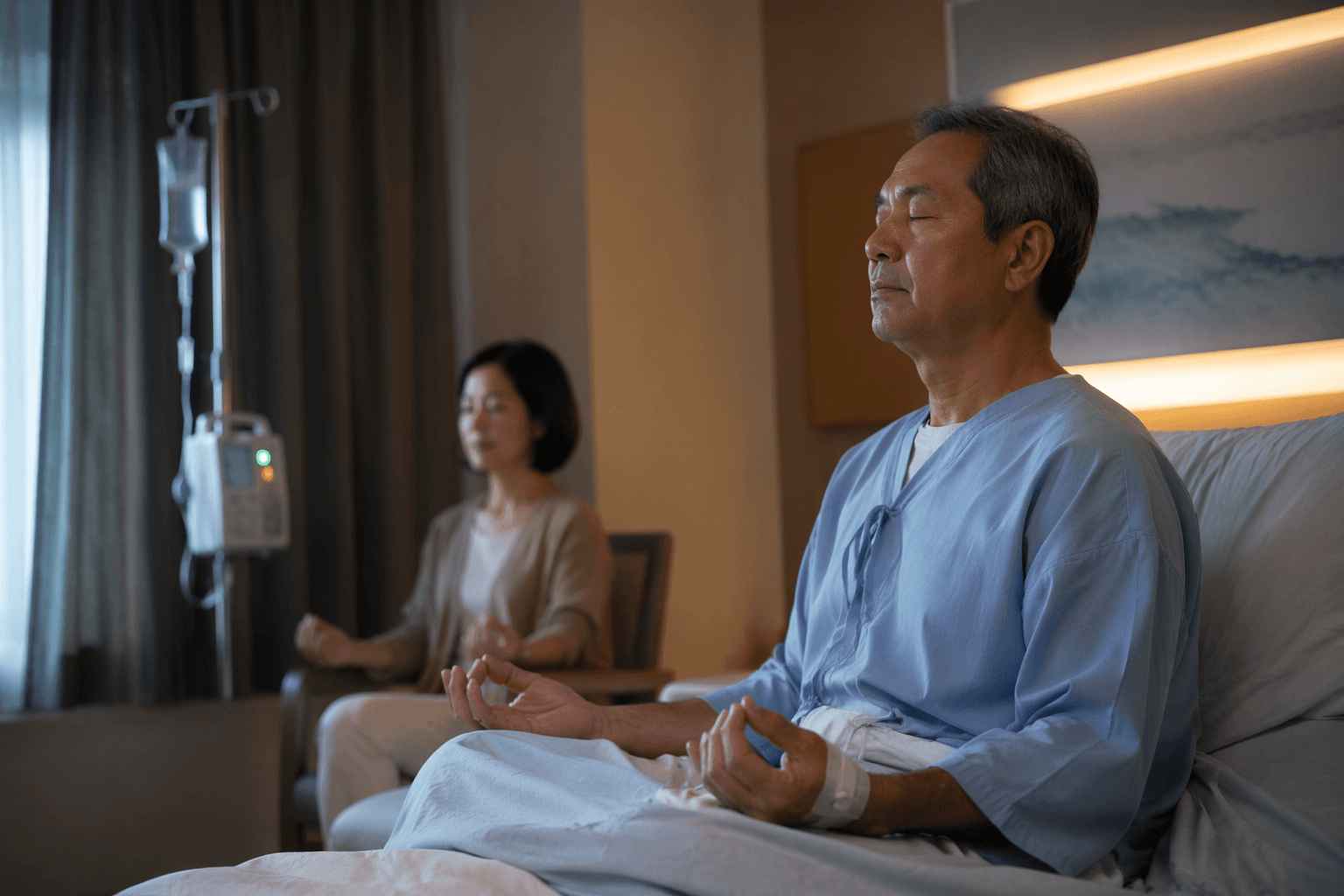
Penn State’s Arboretum turned mindfulness into a market day, with sound meditation, journaling, yoga, and vendors making practice feel social and easy to enter.
A festival, not a silent sit
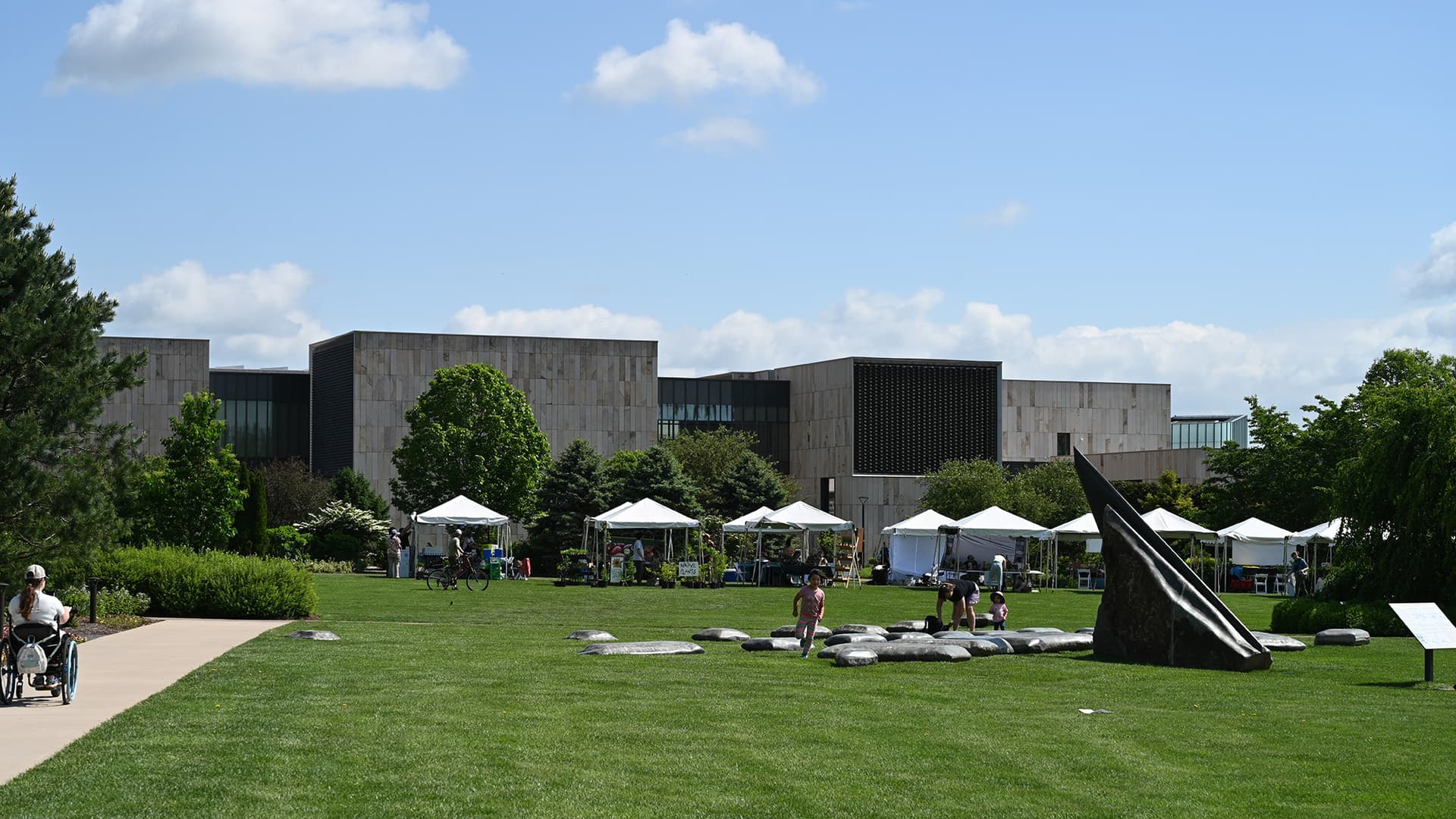
Penn State’s Arboretum made a clear case for mindfulness as something you can move through, taste, and try on the spot. At the Wild Wellness Festival and Market at the H.O. Smith Botanic Gardens, the practice showed up alongside yoga, rope making, herbal first aid, food trucks, and a vendor market, turning a familiar wellness idea into a full community outing.
That framing matters. Instead of presenting mindfulness as a quiet room and a cushion, the Arboretum packaged it as part of a larger restorative day in the garden, one that blended nature, movement, creativity, and stress relief into a public-facing event. For newcomers who might never walk into a meditation studio, that difference can be the invitation.
What the day offered
The 2026 Wild Wellness Festival and Market ran Sunday, April 26, 2026, from noon to 5 p.m. at the H.O. Smith Botanic Gardens in University Park, Pennsylvania. The event included free children’s programming, an outdoor market, food trucks, and paid wellness activities for adults ages 18 and above, with registration required for the paid programs.
The pricing made the format easy to understand at a glance: a $40 full-day pass, $10 one-hour classes, and $20 two-hour classes. Penn State Outreach said the event was designed to give community members a way to explore new ways to focus on health and connect with nature, and Rachel Duke, the Arboretum’s public programs manager, said the goal was to let people try new things and bring healthy practices into their lives.
The vendor presence gave the event a local feel rather than a generic wellness-fair polish. One Penn State outreach release counted 14 central Pennsylvania-based vendors, while another campus report described 15 local vendors, along with environmental education tables, food trucks, free children’s programming, and activities at Childhood’s Gate Children’s Garden. That mix helped the festival feel like a neighborhood gathering as much as a wellness program.
Mindfulness, made tactile
The strongest mindfulness offering in the schedule was not a lecture about presence. It was a set of experiences people could actually do. Mindful Nature Journaling invited attendees to slow down with sensory awareness and self-awareness, giving them a concrete practice that linked observation to reflection rather than asking them to simply sit still and relax.
Sound Meditation was equally specific in its design. The session was described as using soothing tones, singing bowls, chimes, and gentle instrumentation to support relaxation, mental clarity, and calm. That kind of detail matters for beginners, because it makes the experience legible before they ever arrive. You know what your ears will encounter, what the mood will be, and why the session belongs in a broader wellness day.
The rest of the schedule reinforced that same hands-on spirit. Alongside Mindful Nature Journaling and Sound Meditation, the lineup included Herbal First Aid, Creating with Pastels, Rope Making, Botany 101, Nourish & Restore Your Soul, Kokedama, and yoga sessions. In other words, mindfulness was not isolated as a singular ritual. It sat next to art, plant knowledge, practical skills, and movement, which is exactly the kind of multi-entry design that can bring in people who are curious but cautious.
Why this format lowers the barrier
The event description also made an important point: no prior meditation experience was required. That one line does a lot of work. It tells first-timers they do not need a special vocabulary, a long practice history, or a certain kind of personality to participate.
That openness helps explain why event-based mindfulness can travel farther than a conventional sitting practice. A festival gives people something to do with their hands, their attention, and their time together. It also gives mindfulness a setting that feels less clinical and more social, which can matter for people who want wellness to feel welcoming instead of intimidating.
The Arboretum’s choice of venue amplifies that effect. The H.O. Smith Botanic Gardens bring the outdoors into the center of the experience, and the inclusion of children’s programming means the event reaches beyond the usual adults-only meditation crowd. For families, students, and casual drop-ins, the festival format turns mindfulness into something you can encounter naturally as part of a larger day out.
A larger Penn State wellness pattern
Wild Wellness did not emerge in a vacuum. Penn State used a previous Wild Wellness event in 2025 as a community-building effort that highlighted nature’s role in mental health and overall well-being. That 2025 gathering ran from 9 a.m. to 5 p.m. on Saturday, May 17, 2025, and used a $50 wristband that granted access to up to seven classes throughout the day.
That earlier version offered a similar mix of offerings, including Tai Chi, yoga, tree identification, and native plant walks. Taken together with the 2026 festival, the pattern is clear: the Arboretum is treating wellness as something that can be learned through participation, not only through instruction.
This direction also lines up with Penn State’s broader campus work. In April 2025, the university launched Nature and Art Rx, a program designed to connect students, faculty, staff, and community members with nature, art, and culture to improve mental and physical well-being. The program also referenced Nurture in Nature Trails at the Arboretum, which helps place Wild Wellness within a larger institutional ecosystem of outdoor healing and creative wellness.
Why nature journaling fits this moment
Penn State’s own research helps explain why mindful nature journaling makes such a strong fit for this kind of event. A study published in January 2025 found that nature journaling became increasingly popular during and after the COVID-19 pandemic, with adults drawn to its fellowship and community-building aspects. Youth participants were especially interested in wildlife sightings, and the activity stood out for being accessible because people do not need to be skilled artists or writers.
That matters in a festival setting because accessibility is part of the appeal. If the tool is a notebook and a little attention, the practice feels open rather than demanding. Pair that with a public garden, a vendor market, and a schedule full of hands-on options, and mindfulness becomes something people can enter through curiosity instead of commitment.
The Arboretum’s Wild Wellness Festival and Market shows how the practice can grow beyond the cushion without losing its core purpose. In a single afternoon, mindfulness became journaling, sound, movement, and shared outdoor time, which is exactly the kind of format that can widen the circle around it.
This article was produced by Prism’s automated news system from verified source data, official records, and press releases, then run through automated quality and moderation checks before publishing. The system is built and supervised by the people who set the standards it runs under. Read our full AI policy.
Did this article answer your question?