Short breathing practice helps reset the body after stress
One minute of slow breathing can help you downshift after stress. The goal is not instant calm, but a real nervous-system reset you can use between work and the rest of your day.

If you feel wired when you should feel relieved, this is the kind of reset that actually makes sense. A short breathing practice, paired with slower movement, can help you come down from overstimulation in less than a minute, right when your body is still running hot after a hectic stretch.
Why the quiet feels loud after a busy stretch
Niro Feliciano’s point is simple and practical: the calendar can open up while the body is still stuck in stress mode. After a hard run of meetings, deadlines, or noise, you may be carrying adrenaline even though nothing urgent is happening anymore, which is why the shift from busy to quiet can feel uncomfortable instead of restful.
That is where the one-minute reset earns its keep. The value is not a perfect meditation experience or a sudden wave of serenity. It is nervous-system regulation, a small interruption that tells the body to stop sprinting long enough to settle.
What the reset actually looks like
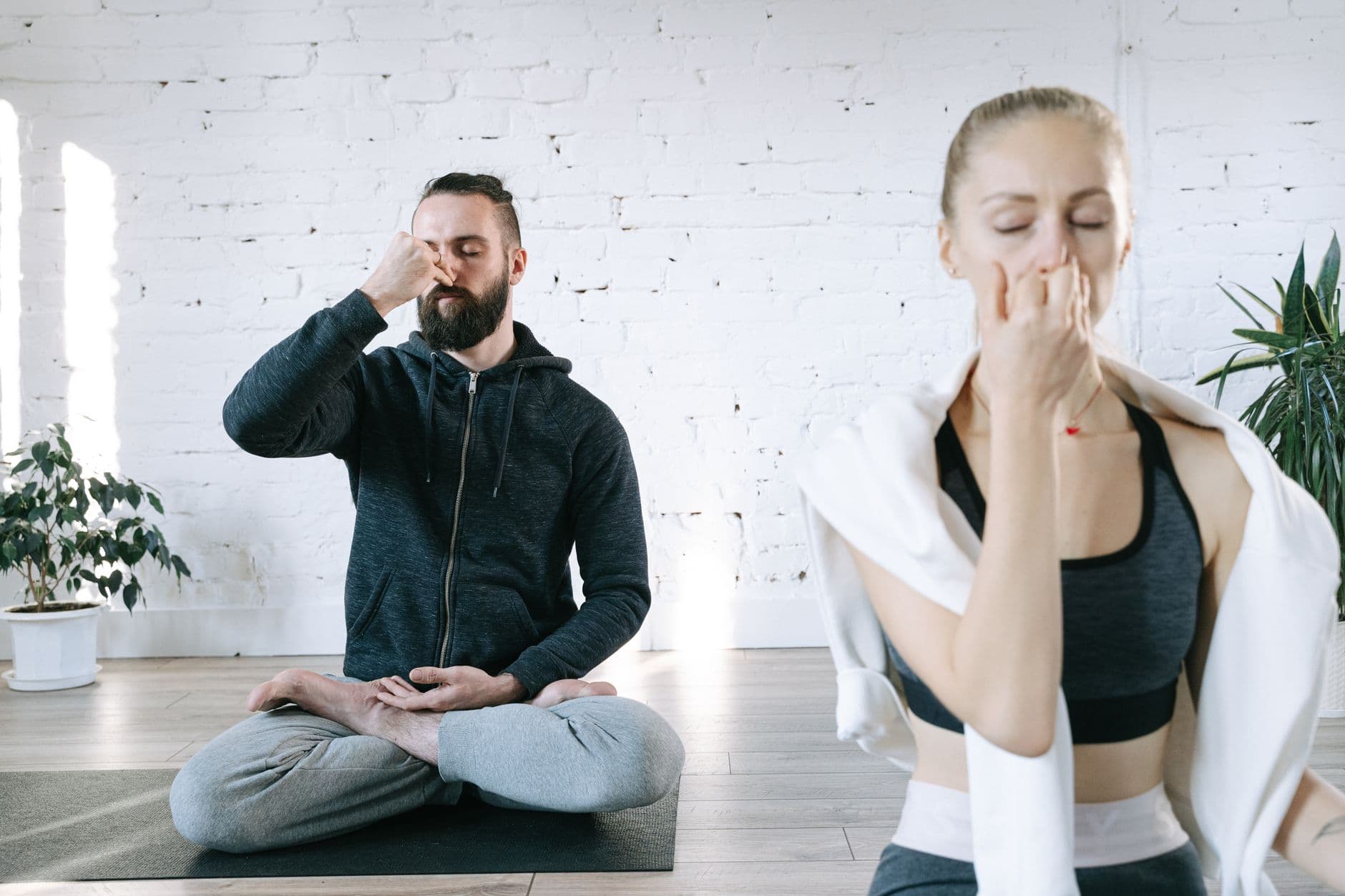
Feliciano recommends starting with movement that slows the tempo before you even focus on the breath. That can mean walking more gradually or using tai chi-inspired motions, then pairing that with slow, intentional breathing.
That sequence matters because it works with the body instead of against it. If you try to force stillness while your system is still revved up, the effort can feel like another demand. A gentler pace gives the breath something concrete to follow.
A minute is enough if you use it at the right moment
This is not a practice you save for a long sit on a cushion. It is most useful in the exact in-between moments that usually get wasted on scrolling or grinding through the next task: before a meeting, after overstimulation, during restlessness, on a commute, at lunch, or the moment you get home and still feel keyed up.

Feliciano’s framing fits real life because it respects how short the gap can be between stress and recovery. You do not need a complicated wellness ritual. You need a repeatable pattern that interrupts speed long enough for your nervous system to notice the change.
Why brief rituals stick better than big intentions
The segment also pushes a useful idea that gets lost in a lot of mindfulness talk: tiny rituals are easier to repeat, and repetition is what makes them useful. Feliciano uses examples like reading a chapter every morning or watching the sunset at night, not as productivity hacks but as small anchors that help the day change gears.
That same logic applies to breathing. If you can pair one breath-based reset with one reliable transition point, the practice stops being an abstract self-care idea and becomes part of how you move through the day. The point is not to manufacture peace on command; it is to make the shift out of overwork less abrupt.
The science backs the basic instinct
The broader health framing is consistent with what major organizations say about relaxation practices. The National Center for Complementary and Integrative Health describes relaxation techniques as practices meant to bring about the body’s relaxation response, which is marked by slower breathing, lower blood pressure, and a reduced heart rate.
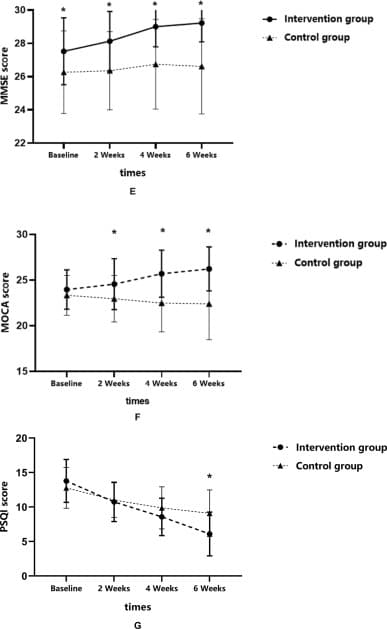
The American Heart Association says slow, deep breathing can stabilize or lower blood pressure, promote calm, and affect the nervous system. That lines up with a research review on slow breathing, which found significant effects on the respiratory, cardiovascular, cardiorespiratory, and autonomic nervous systems. In other words, this is not just a feel-good concept. The body changes in measurable ways.
A meta-analysis of 12 randomized controlled trials with 785 adults also found breathwork was associated with lower self-reported stress than control conditions. That does not mean every breathing exercise works the same way for every person, but it does help explain why short practices are being treated as a practical stress tool instead of a niche wellness trend.
Why TODAY keeps coming back to breathwork
The TODAY.com format around this story matters because it is part of a larger editorial pattern. TODAY has repeatedly published breathing and stress explainers, including pieces on box breathing, 4-7-8 breathing, and one-minute meditations. That steady attention suggests the audience is not looking for a grand overhaul; it wants something that fits between real obligations.
The NBC New York piece is part of TODAY.com’s “Expert Tip of the Day” approach, which keeps the advice tight and immediately usable. Niro Feliciano is identified there as a licensed clinical social worker, psychotherapist, author, mom of four, and host of the podcast “All Things Life,” which gives the guidance a clear clinical and lived-in edge. Christopher August, co-founder of Beats and Breath, adds another layer by linking breathing practice with personal growth, resilience, and overall wellbeing.
The easiest version to try today
If your mind is buzzing and your shoulders are up by your ears, do not start with ambition. Start with pace.
- Walk a little slower for a few steps.
- Let the exhale lengthen without forcing it.
- Keep the movement easy, almost boring.
- Use the practice at the exact moment you feel the switch from busy to empty.
That is the whole trick. The breathing reset works best when you treat it like a quick nervous-system handoff, not a performance. If you give yourself one minute before the meeting, after the noise, or right when restlessness starts to climb, you are not chasing instant serenity. You are giving the body a chance to come back online at a calmer speed, and that is often the part that matters most.
This article was produced by Prism’s automated news system from verified source data, official records, and press releases, then run through automated quality and moderation checks before publishing. The system is built and supervised by the people who set the standards it runs under. Read our full AI policy.
Did this article answer your question?