Short breathwork helps people reset stress in under a minute
Under a minute is enough to make a real dent in stress. The catch: short breathwork works best as a fast reset, not a cure-all.
Why this tiny reset is catching on
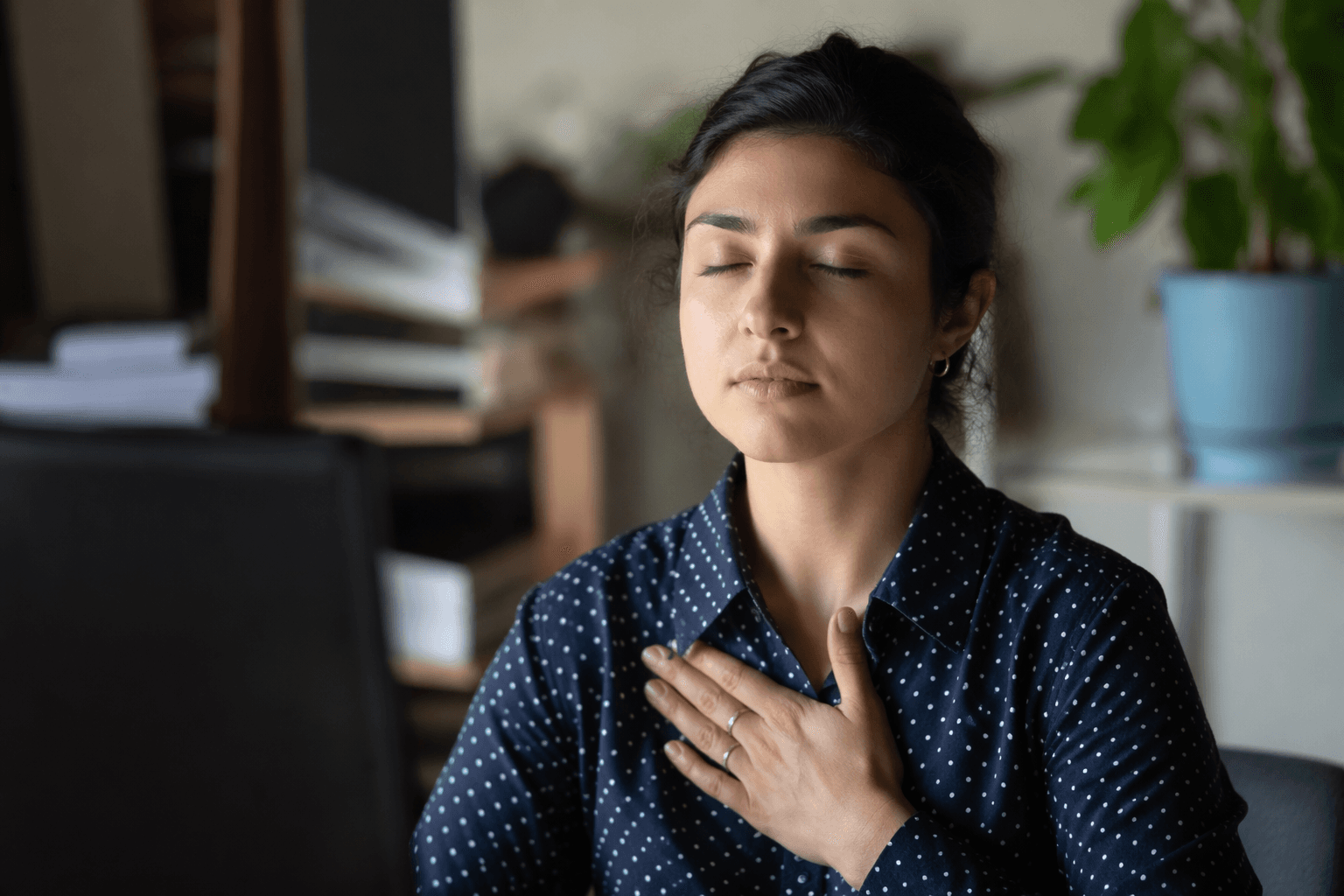
Short breathwork has become the rare mindfulness practice that fits into real life. You can do it on a train platform, in a bathroom stall before a meeting, or at your desk after a nasty email, and you do not need a cushion, app, or spare half-hour to get started. That is the appeal: it creates a small pause between the trigger and the body’s automatic reaction, which is often enough to keep a rough moment from snowballing.
The social media version of breathwork often sells a bigger promise than the evidence can support. What the stronger guidance actually supports is simpler and more useful: short, paced breathing can help you downshift fast, especially when you catch stress early. The Centers for Disease Control and Prevention says long-term stress can worsen health problems, and that managing stress daily can help prevent stress from becoming chronic. The World Health Organization is just as plainspoken about the time investment, saying a few minutes each day are enough to practice its self-help techniques.
What the evidence actually backs up
The best-case story here is not that breathing “fixes” stress. It is that it can lower the volume fast enough to help you function. The American Heart Association recommends 4-7-8 breathing as one deep-breathing method: inhale through the nose for four counts, hold for seven, then exhale slowly through the mouth for eight. One full cycle takes about 19 seconds, so three rounds fit in under a minute and still give you a meaningful pause.
The American Heart Association also says slow, deep breathing can stabilize or lower blood pressure, lessen stress for better mental health, and reduce anxiety and depression symptoms. The National Center for Complementary and Integrative Health says slow, deep breathing, especially diaphragmatic breathing, may modestly lower blood pressure and reduce cortisol. It also cites a 2019 review of three studies with 880 participants that found preliminary evidence diaphragmatic breathing may reduce stress.
That is the important reality check: the benefits are real, but they are usually modest and short-term. This is not a substitute for sleep, therapy, medication when needed, or fixing the thing that is actually causing the stress. It is a tool for the moment you need your nervous system to stop sprinting.
The versions that make sense in under a minute
If you want the quickest entry point, start with a simple paced pattern. A 4-count inhale and 6-count exhale is gentle and easy to remember, especially if you are already tense and do not want to hold your breath. Box breathing, with equal counts on the inhale, hold, exhale, and hold, is another practical option if you like structure.
A brief body scan paired with the breath can also help when your attention is scattered. Instead of chasing a perfect meditative state, you are just checking in on the jaw, shoulders, belly, and hands while you keep the breath steady. That is often enough to interrupt the physical escalation that turns a hard moment into a full-on spiral.
A simple under-a-minute sequence
1. Exhale first, so you are not starting from a tight chest.
2. Inhale for four counts.
3. Hold for seven counts if that feels comfortable, or skip the hold and use a steady 4-in, 6-out rhythm.
4. Exhale slowly for eight counts.
5. Repeat once or twice more, then move back into the task in front of you.
That is the whole point. You are not trying to disappear into your breath. You are trying to make the next email, commute stop, or pre-meeting minute less reactive.
When breathwork helps, and when to be careful
Breathwork tends to work best as a first step rather than a full solution. People use it to get calm enough to fall asleep, sit through a meeting, or bring down the physical edge of anxiety before it gets louder. The American Psychological Association describes breathing retraining as a way to reduce arousal and manage anxiety, which fits that early-intervention role well.
There is also a real caution here: not every breathing style works for every person. Some people find extended attention to the breath uncomfortable when they are highly activated, and trauma-informed approaches usually stress choice, flexibility, and grounding. In plain English, that means you should be able to switch patterns, shorten the exercise, or shift attention to something more external if breath focus starts to feel worse instead of better.
That is why the best advice is to use breathing early, not force it late. If you wait until your body is already at a full boil, a long, rigid drill can feel like one more thing you are failing to do correctly. Shorter, simpler, and more adaptable usually wins.
Why this format keeps gaining ground
The reason short breathwork keeps spreading is not that it is trendy. It is that it is usable. NCCIH notes that meditation goes back thousands of years and that many techniques began in Eastern traditions, but the modern American shift is what makes this feel newly practical: the share of U.S. adults who practiced meditation rose from 7.5 percent in 2002 to 17.3 percent in 2022.
The newer research also fits the format. A 2024 study of undergraduates found that 7-minute breathing and meditation micro-breaks reduced perceived stress and related emotional outcomes. A 2024 review described voluntary regulated breathing as a tool for stress and anxiety reduction. Put together, those findings support the same basic idea: short sessions can do enough to matter, even if they are not dramatic.
The smartest way to use this is to treat it like a fast reset button, not a spiritual performance. If you are walking into a tense meeting, waiting for a delayed train, or feeling that familiar mid-afternoon surge of panic with no obvious cause, one minute of paced breathing is enough to change what happens next. That is why this small practice is sticking around: it meets stress exactly where it shows up, and it does not ask you to sit still any longer than the moment requires.
This article was produced by Prism’s automated news system from verified source data, official records, and press releases, then run through automated quality and moderation checks before publishing. The system is built and supervised by the people who set the standards it runs under. Read our full AI policy.
Know something we missed? Have a correction or additional information?
Submit a Tip