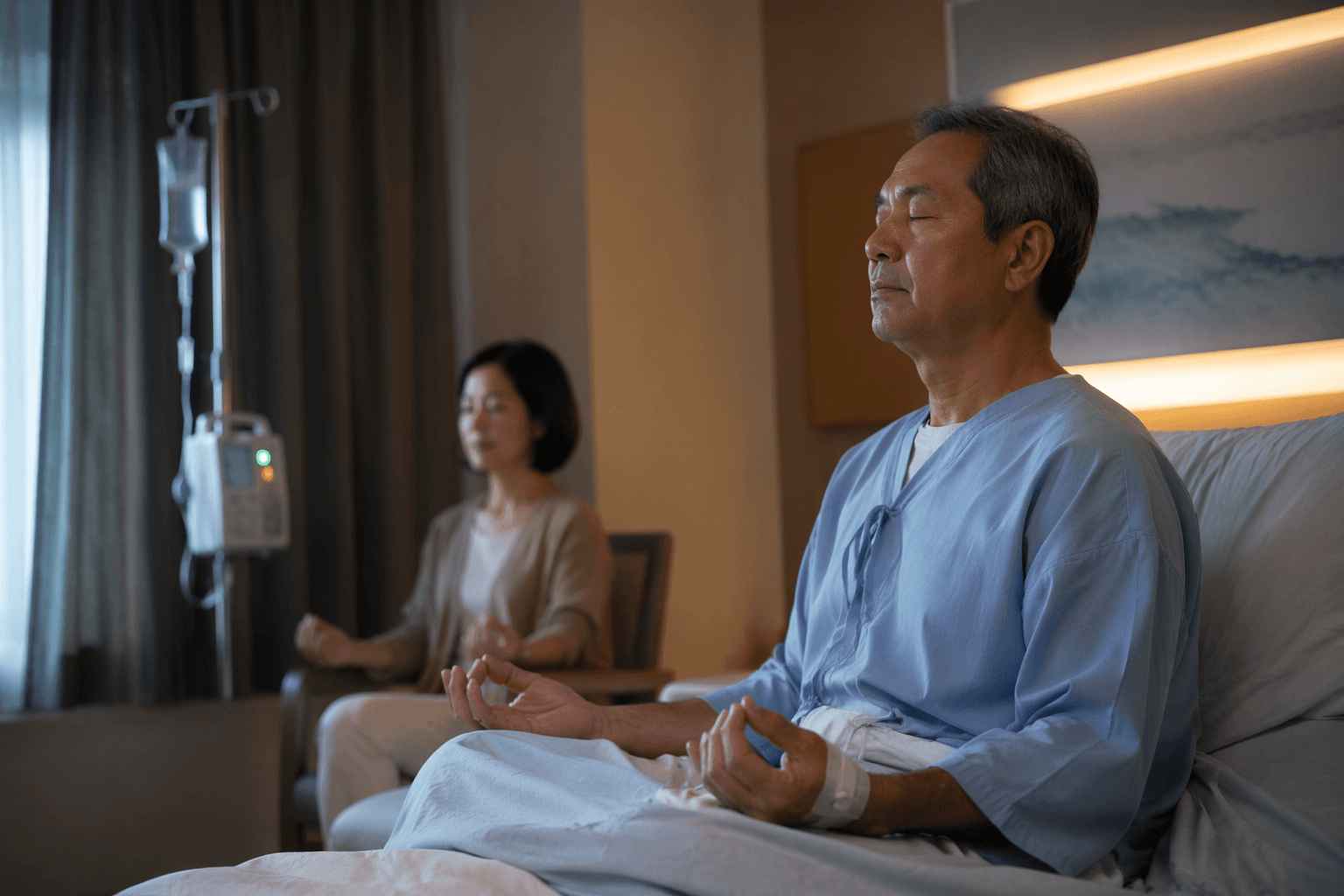
Taiwan study adapts mindfulness for healthy aging in older adults
Taiwan's new 8-week mindfulness curriculum gives older adults a structured path to better sleep, steadier aging outlook, and stronger function.
A mindfulness program built like community infrastructure
Taiwan’s latest mindfulness study does not treat meditation as a vague wellness add-on. It turns it into an 8-week, digitally supported healthy-aging program built for older adults living in the community, with a clear schedule, an age-specific curriculum, and outcomes that reached beyond stress relief.
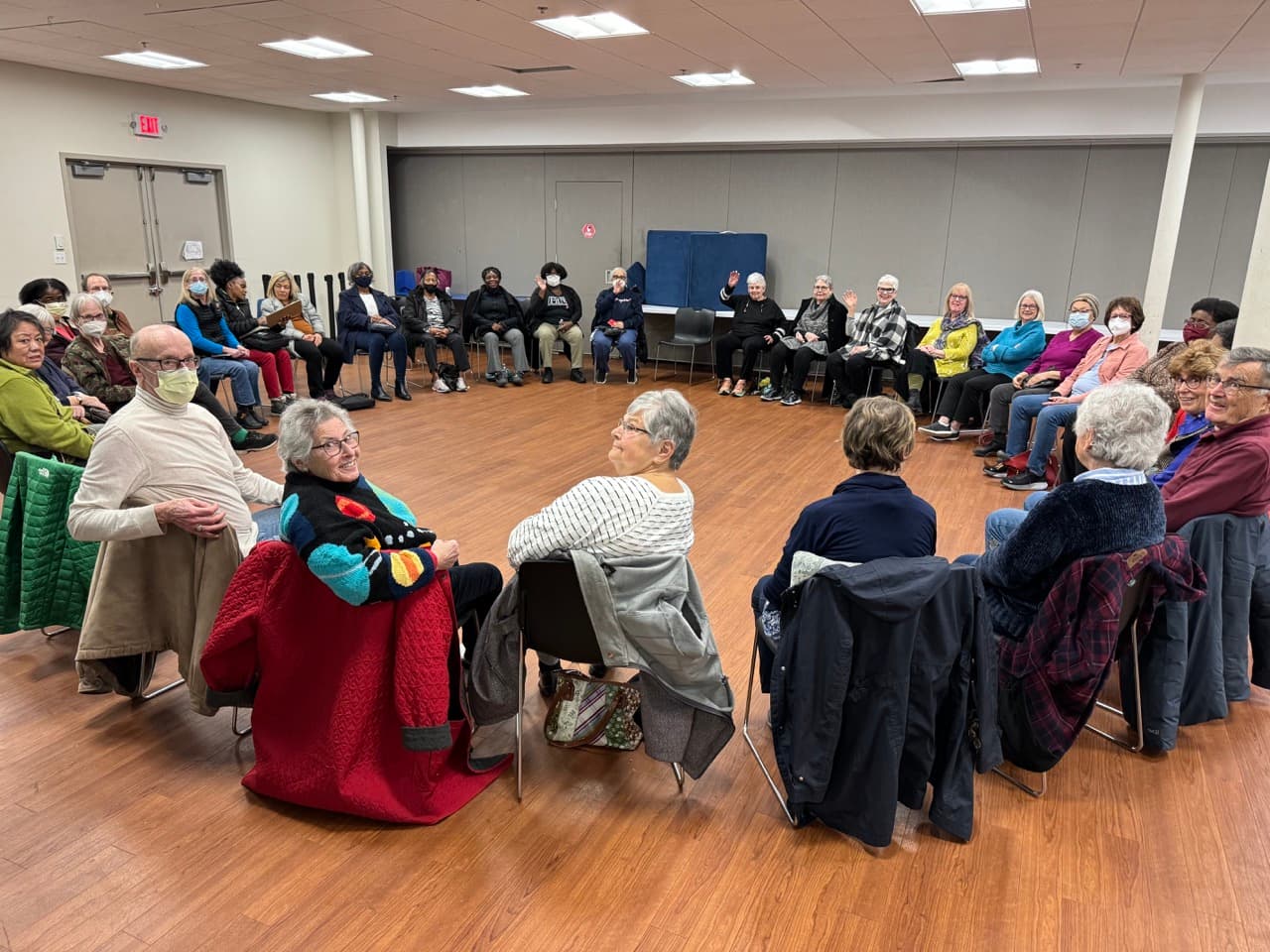
The paper, by Yu-Rung Wang, Pei-Lun Hsieh, Chia-Hsiu Chang, Chia-Chi Hsiao, and Mei-Lien Hu, is especially notable because it frames mindfulness as something senior centers, libraries, and local classes could realistically run. That shift matters: older adults are more likely to show up for a program when it feels practical, paced, and directly tied to sleep, movement, and daily life.
How the curriculum was shaped
The course did not come together as a generic meditation class. It combined mindfulness-based stress reduction, mindfulness-based elder care, and mindful sustainable aging frameworks, then refined them through a modified Delphi process in phase 1. In the earlier conference poster, 16 professional mindfulness instructors, geriatric psychology experts, psychologists, and clinical care specialists reviewed the content in three stages using a 4-point Likert scale to judge whether the materials were suitable and aligned.
That kind of expert filtering is what makes the curriculum feel usable for real-world community settings. Instead of asking older adults to adapt to an abstract mindfulness script, the team adjusted the material first, then tested whether it made sense for the people most likely to use it. For a senior center director or community educator, that is the difference between a class that sounds good and a class people can actually return to week after week.
What the pilot tested
The phase 2 pilot brought in 10 community-dwelling older adults and tracked them at baseline, week 4, week 8, and a one-month follow-up. The researchers looked at mindfulness, sleep quality, cognition, heart rate variability, perceptions of aging, healthy-aging outlook, physical function, and activity, then added qualitative interviews to capture how participants experienced the program.
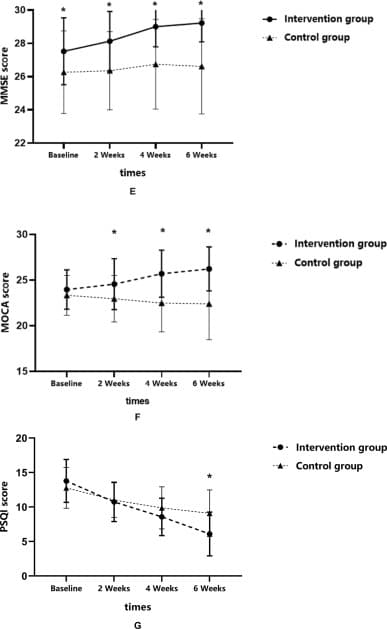
The results point to more than a simple relaxation effect. The study reported significant improvements in mindfulness, sleep quality, aging perception, healthy-aging outlook, and physical function during the study period. In practical terms, that suggests a short, structured mindfulness curriculum may help older adults feel more capable in day-to-day life, not just calmer during class.
That distinction is important for community programming. A program worth showing up for is one that gives participants a regular routine, visible progress points, and benefits they can feel outside the session room. The week 4 and week 8 assessments also show a cadence that community programs can copy, because it builds in check-ins instead of leaving progress to guesswork.
Why Taiwan is an especially relevant test case
Taiwan’s demographic shift gives this study real urgency. The National Development Council projected that Taiwan would cross the 20 percent threshold for residents aged 65 and older in 2025, becoming a super-aged society. Official figures also show that older adults reached 19.2 percent of the population by the end of 2024, or about 4.49 million people, and Taiwan had already become an aged society in March 2018 when people 65 and older exceeded 14 percent.
That backdrop helps explain why a digital healthy-aging curriculum matters. Taiwan’s Health Promotion Administration has already treated technology-based healthy aging as a policy priority, including a 2021 APEC conference on urbanization, population aging, and technology innovation aimed at age-friendly environments. In other words, the study is not floating in isolation. It fits a broader push to make aging support more accessible, more localized, and easier to deliver at scale.
For community-based implementation, that means the likely homes for a program like this are already familiar: active-aging learning centers, senior centers, neighborhood venues, and small classes attached to libraries or local health programs. Taiwan’s existing network of 370 active-aging learning centers with more than 3,000 learning spots shows that the country already has a learning infrastructure older adults know how to use.
How the wider evidence supports the approach
The study also lands in a public-health context where the need is clear. The World Health Organization says older age often brings multiple chronic conditions and geriatric syndromes, including frailty, falls, depression, and dementia, and it identifies loneliness and social isolation as key risks for later-life mental health. It also reports that by 2030, one in six people worldwide will be 60 or older, and about 14.1 percent of adults aged 70 and over live with a mental disorder.
That makes the case for community-delivered mindfulness stronger, especially when the program is adapted for older learners. A 2017 Taiwan community study had already shown that an 8-week mindfulness-based program adapted from MBCT was feasible for older adults, enrolling 89 participants with a mean age of 71.88 and improving quality of life. More recently, a 2025 meta-analysis of 46 studies found mindfulness interventions in older adults produced a modest overall benefit, with stronger effects for MBCT and other adapted protocols than for standard MBSR alone.
The pattern is hard to miss. Older adults do benefit, but the strongest results tend to come when the material is tuned to their realities rather than copied straight from adult wellness programs. This new Taiwan curriculum takes that lesson seriously by blending meditation with elder care language, aging-related goals, and a digital format that can support people between sessions.
What a community program can take from this model
A senior center, library, or neighborhood class does not need to reinvent the wheel to borrow from this design. The study points to a few concrete features that make participation more feasible and worthwhile:
- Keep the sequence clear and time-limited, as the 8-week format did.
- Use aging-specific language instead of broad stress-management slogans.
- Build in simple digital materials so people can review the practice at home.
- Check progress at set points, not just at the end.
- Measure outcomes that matter in daily life, such as sleep, movement, and how people feel about aging.
That is what makes this study more useful than a generic meditation report. It shows how mindfulness can be structured as a service older adults can enter, follow, and finish, with enough flexibility to fit community life and enough rigor to make the effort count.
The real takeaway is not simply that mindfulness helped. It is that a well-paced, digitally supported curriculum can make healthy aging feel organized enough to join and practical enough to keep.
This article was produced by Prism’s automated news system from verified source data, official records, and press releases, then run through automated quality and moderation checks before publishing. The system is built and supervised by the people who set the standards it runs under. Read our full AI policy.
Did this article answer your question?