UMass Memorial offers free weekly online meditation in English and Spanish
UMass Memorial’s free Zoom meditation group is a low-friction way to practice weekly, with English and Spanish sessions, live teachers, and no referral needed.
.jpg&w=1920&q=75)
A free weekly sit that feels like a real practice room, not an app funnel
UMass Memorial Health is running something worth noticing: a free, recurring online meditation community that you can join without a patient relationship, a doctor’s referral, or a subscription. The pitch is refreshingly plain, too. Show up on Zoom, settle in for guided practice, and stay for reflection and discussion, which makes this feel less like content delivery and more like a live sangha with a hospital badge behind it.
That matters because the biggest barrier to mindfulness is usually not theory, it is friction. Paid apps stack up fast, self-guided programs fade when life gets busy, and formal courses can feel like too much of a commitment before you even start. This setup cuts a lot of that away: it is weekly, free, open to newcomers and graduates of the center’s mindfulness programs, and designed for people age 17 and older.
How the weekly schedule works
The structure is simple enough to remember and specific enough to use. Mondays feature Worldwide Sit with Eva Tsuda from 7 to 8 p.m. Eastern. Tuesdays offer Sesión Mundial en Español with Juan J. Miret from 7 to 8 p.m. Eastern. Wednesdays host a rotating Worldwide Sit from 7 to 8 p.m. Eastern, and Thursdays offer Worldwide Sit with Ginny Wholley from 12:10 to 12:50 p.m. Eastern.
That mix gives the offering a practical rhythm. If evenings are easier, there are three options in that window across Monday, Tuesday, and Wednesday. If lunch hour is the only opening in your week, Thursday’s shorter midday session is the outlier that makes this more usable than a typical one-size-fits-all online class.
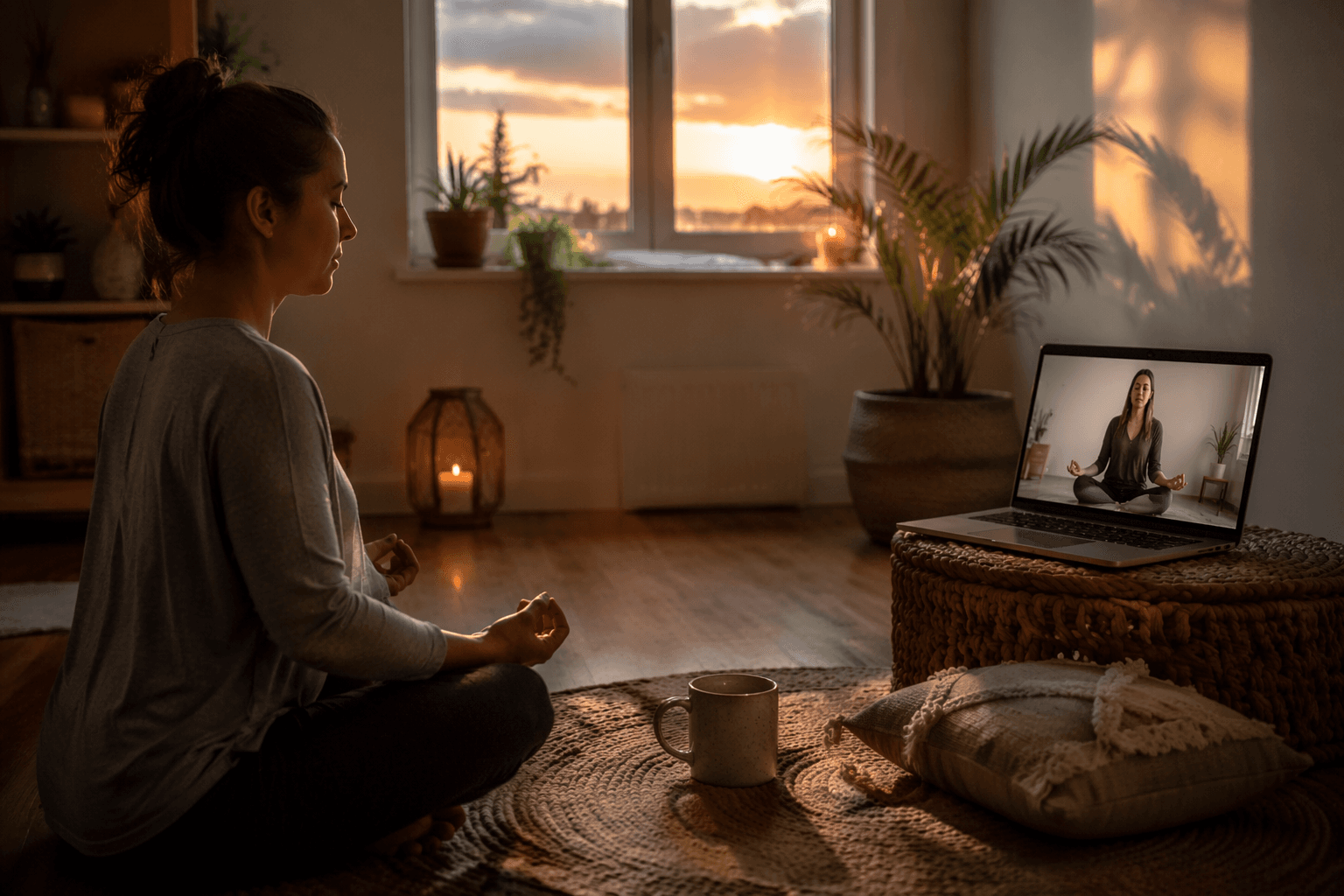
The page also advises participants to use a desktop or laptop rather than a phone or tablet for the best experience. That is the kind of small detail people ignore until they try to join a live session on a tiny screen and spend the first 10 minutes wrestling with audio and video. If you want the cleanest first session, use a proper computer and treat it like an appointment, not background audio.
Who is leading the sessions
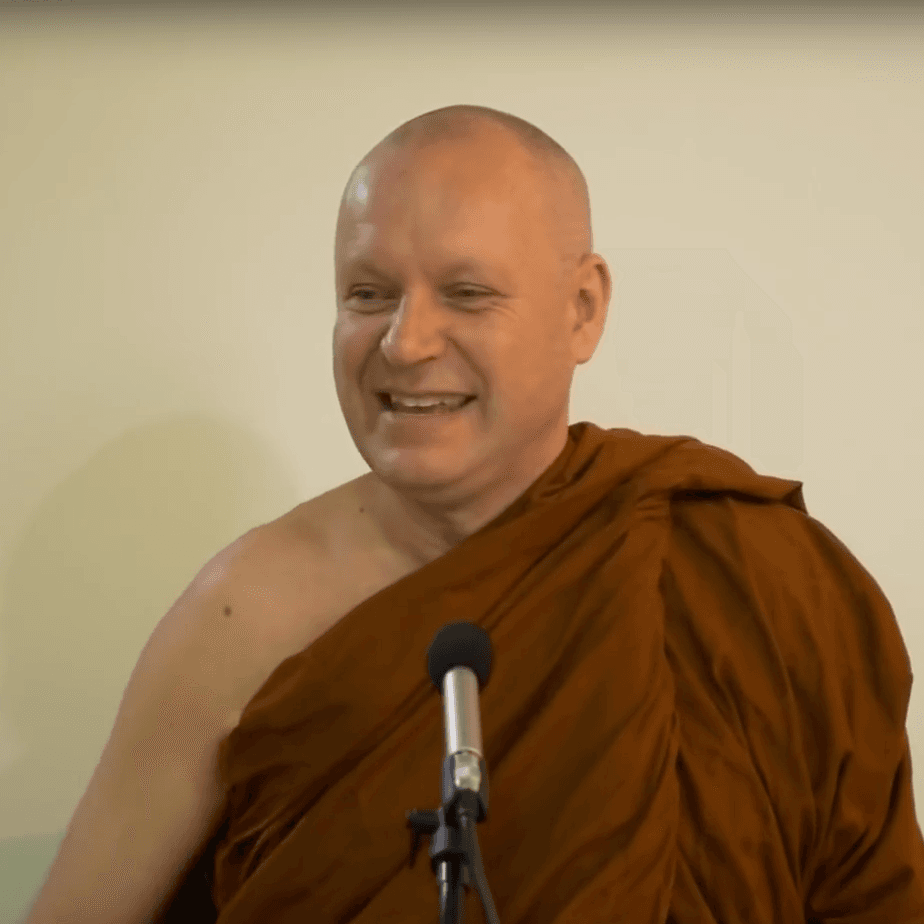
The teachers behind the series are not anonymous hosts reading from a script. Eva Tsuda is a certified MBSR teacher and an associate professor in the Program in Molecular Medicine at UMass Chan Medical School. Her interests include community mindfulness meditation sits, MBSR for patients living with chronic diseases, and the role of MBSR in public health, which tells you a lot about the tone of the sessions: grounded, not fluffy.
Juan J. Miret brings a long practice history and a Spanish-language teaching lane that makes the Tuesday session especially important. He has practiced mindfulness meditation since 1995 and also teaches Mindfulness Tools and MBSR courses in Spanish. That combination of long-term practice and language access is what turns a weekly sit from a nice idea into something people can actually return to.
Ginny Wholley rounds out the schedule with a background that blends formal mindfulness training and movement work. She is a certified MBSR teacher and a certified Kripalu yoga teacher, which fits a session that is likely to feel attentive to both stillness and embodied awareness. Put together, the roster suggests a program built by people who know the difference between a casual wellness livestream and a real practice environment.
Why the hospital-backed format is the point
UMass Memorial Health’s Center for Mindfulness says it has more than four decades of history, and that history is not just institutional wallpaper. The center traces its roots to 1979, when Jon Kabat-Zinn developed the original Mindfulness-Based Stress Reduction program at UMass Medical Center. That lineage matters because it connects this weekly online community to one of the most influential mindfulness pipelines in the country.
The center’s MBSR structure shows how much support often sits behind the simplest-looking offerings. The program outline includes eight weekly 2.5-hour classes, one all-day class, daily home practice, and roughly 35 participants at a time, which is a good reminder that meaningful mindfulness work is usually built around repetition, guidance, and group contact. The global online meditation community is lighter and more accessible than that formal course, but it comes from the same educational culture.
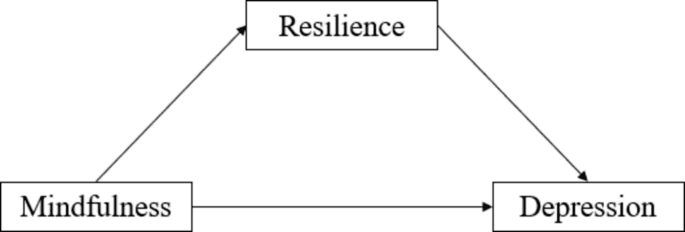
There is also a real research spine underneath the program. UMass Memorial Health says hundreds of thousands of people around the world have completed MBSR, and UMass Chan has described it as the most researched mindfulness intervention in the world. A review indexed in PubMed says mindfulness-based interventions have shown benefit across stress, anxiety, insomnia, pain, and depression, while also noting that more research is still warranted. NCCIH likewise says meditation and mindfulness programs often include discussion and practical strategies for applying the work to stressful experiences, which lines up neatly with the structure of these weekly sessions.
Why this feels more approachable than starting from scratch
For a lot of people, the hardest part of meditation is not the sitting. It is figuring out where to begin, whether you are doing it right, and how to keep going after a few awkward tries. A weekly online group lowers that pressure. You get guided meditation, time to reflect, and a live community, which is often the missing piece when people try to meditate alone with no structure.
The multilingual setup matters just as much. A Tuesday Spanish session opens the door for more people, and the rotating Wednesday slot adds flexibility for anyone who misses a set day. This is not a glossy mindfulness brand trying to sell you a lifestyle. It is a public-facing, hospital-backed routine that makes practice feel ordinary enough to keep doing.
There is also a broader research backdrop worth keeping in view. UMass Chan reported in 2026 that an IMPACT low-back-pain study includes a 350-person clinical trial and builds on MBSR, which is a reminder that the same tradition feeding these community sessions continues to shape active clinical research. That does not mean a weekly sit is a cure-all, but it does mean the offering sits inside a serious ecosystem rather than a trend cycle.
What to do with it
If you have been waiting for a low-pressure way back into mindfulness, this is the rare setup that actually removes excuses. Pick the session that fits your schedule, use a desktop or laptop, and join for a live hour in English or Spanish without paying for an app or navigating referral paperwork. The strongest version of this story is not abstract wellness at all. It is a free weekly chair, a live teacher, and a standing invitation to practice again next week.
This article was produced by Prism’s automated news system from verified source data, official records, and press releases, then run through automated quality and moderation checks before publishing. The system is built and supervised by the people who set the standards it runs under. Read our full AI policy.
Know something we missed? Have a correction or additional information?
Submit a Tip