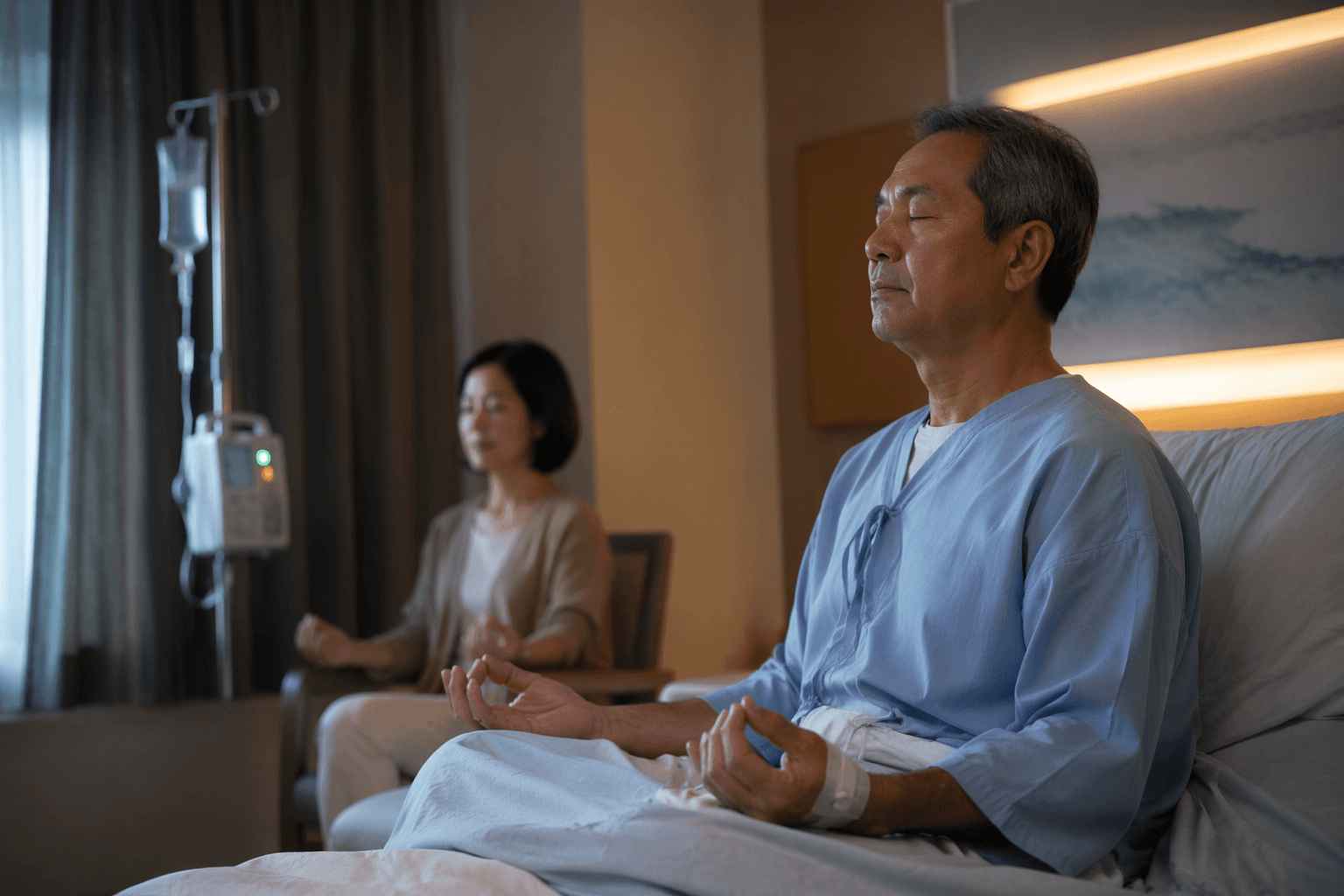
VR Mindfulness Trial Aims to Ease Dementia Caregiver Stress
A pilot trial will test whether VR can give dementia caregivers an at-home mindfulness reset without leaving the house. Ninety caregivers will be split across three arms.
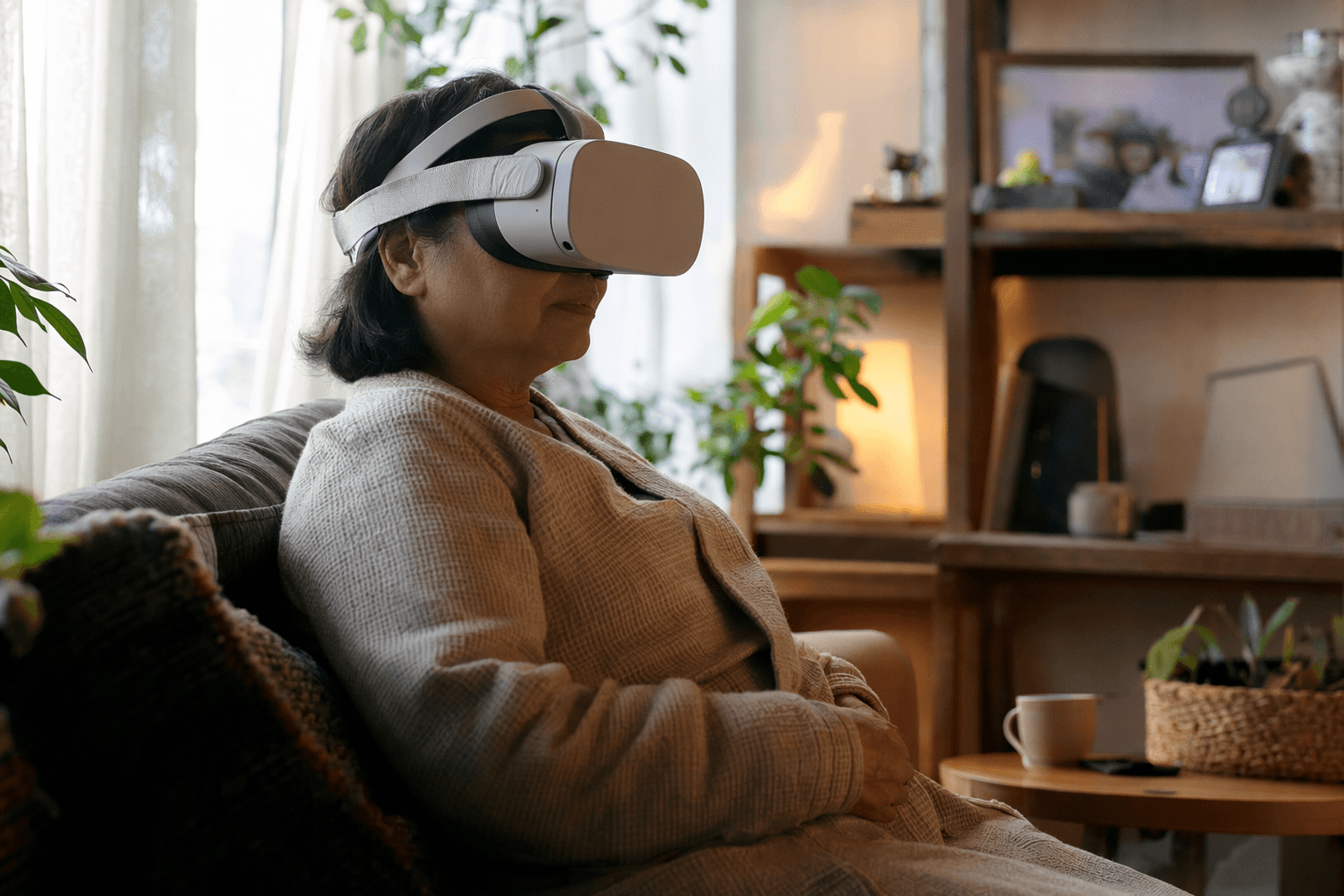
A virtual reality headset may end up doing what a quiet room and a free hour often cannot: give a dementia caregiver a usable mindfulness practice in the middle of a crowded day. The new pilot trial will test whether VR-based mindfulness can ease stress for people caring for relatives with dementia at home, where interruptions, fatigue and constant supervision make regular practice hard to sustain.
The study protocol centers on a problem the field knows well. Dementia affects tens of millions of people worldwide, and informal caregivers, most often family members, carry much of the day-to-day burden. Traditional mindfulness formats, including face-to-face groups and audio-guided sessions at home, can fall apart under real caregiving conditions. Scheduling conflicts, low adherence and the strain of trying to meditate inside a stressful domestic setting have all limited how far those approaches can go.
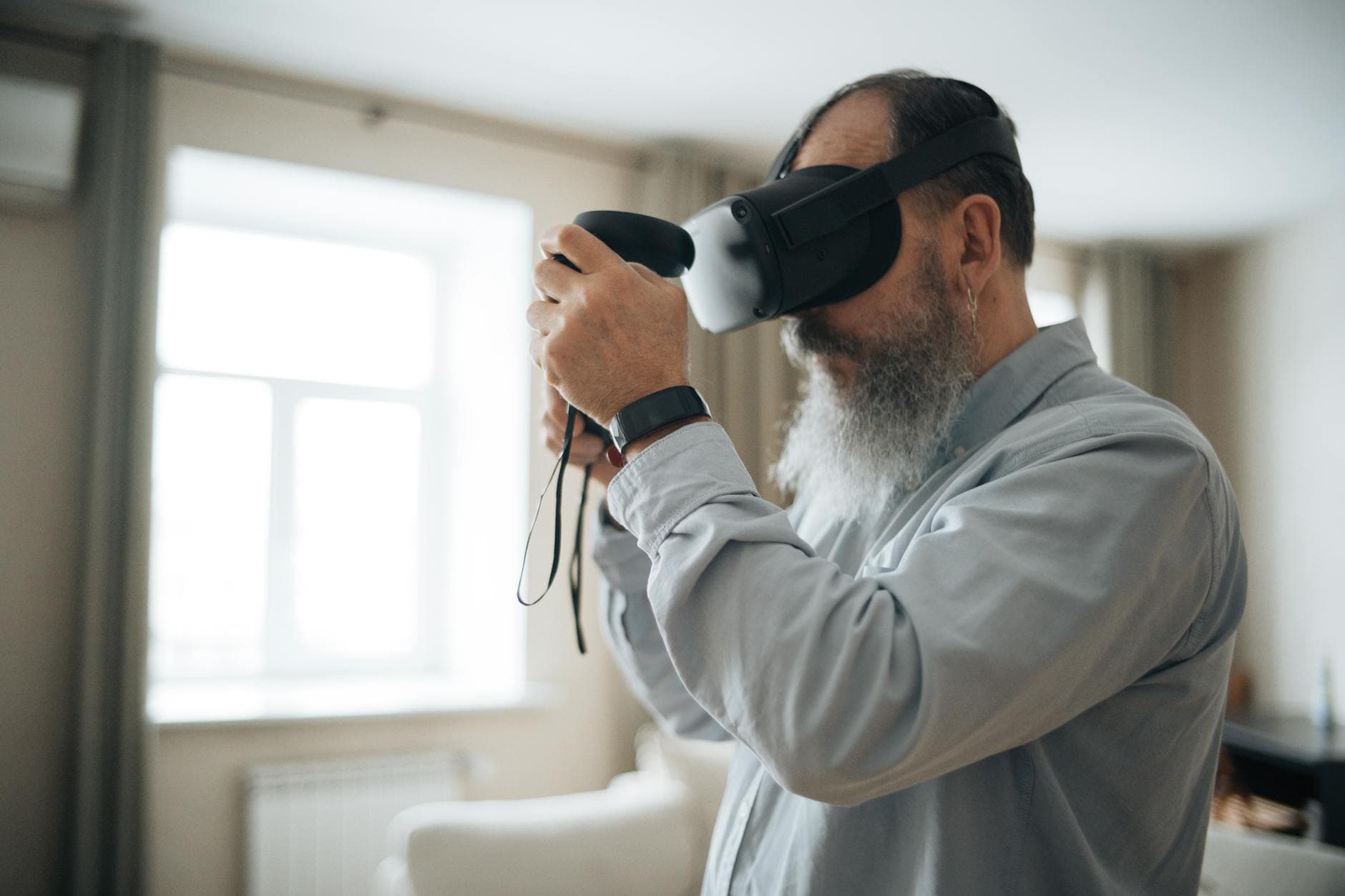
Researchers are betting that VR can do something different. By simulating restorative natural environments, reducing outside distractions and delivering standardized instructions, the headset format may make mindfulness easier to stick with while still leaving room for flexibility. That is the practical question behind the trial: not whether mindfulness sounds good on paper, but whether it can be adapted to the way caregivers actually live.
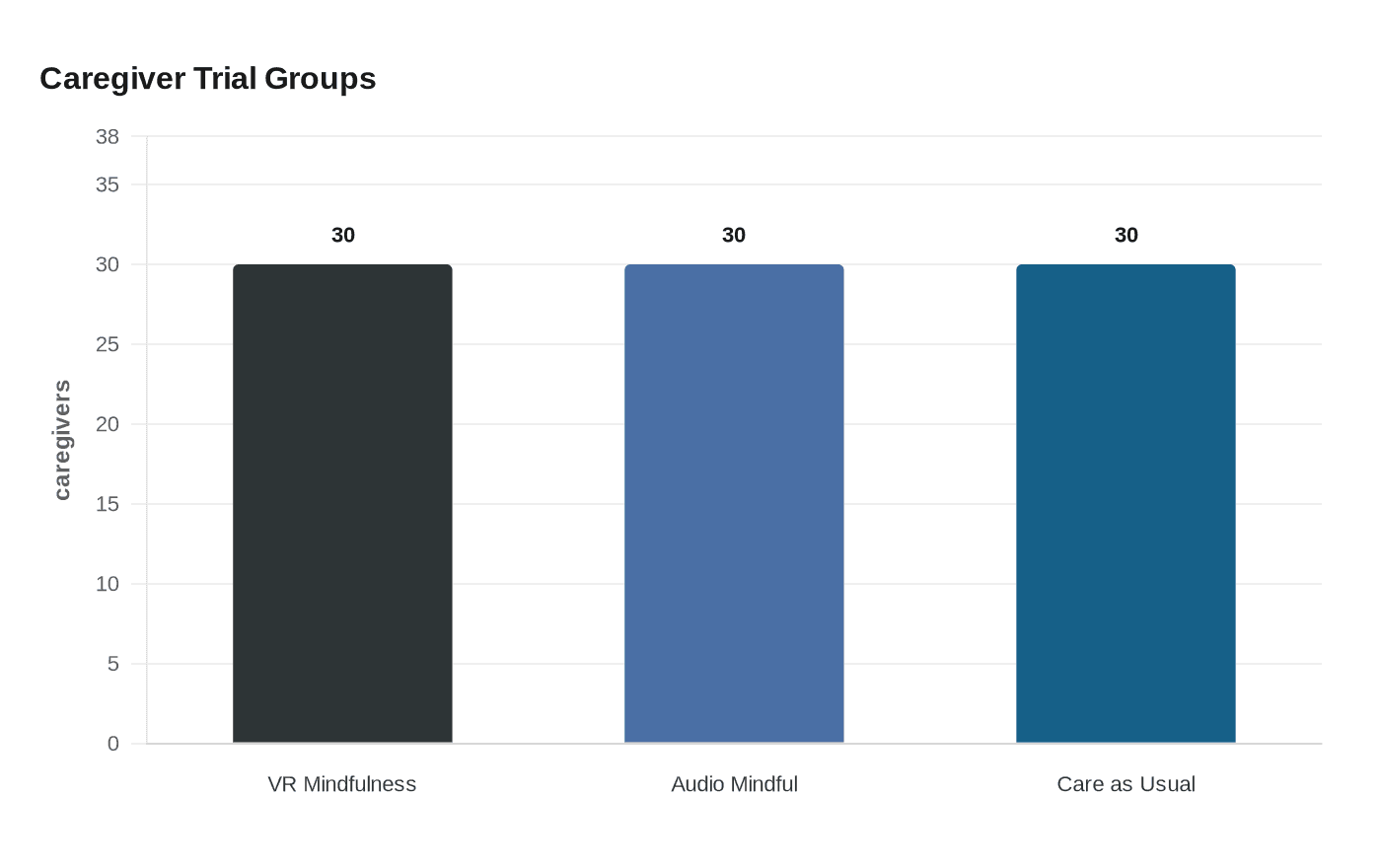
The pilot will enroll 90 caregivers, with 30 assigned to each of three arms: VR-based mindfulness, audio-based mindfulness and care as usual. The intervention will run for eight weeks, with assessments at baseline, immediately after treatment and again two months later. The main outcome is psychological status, especially depression, anxiety and stress. The study will also track caregiver burden, mindfulness level, quality of life and the caregiver-recipient relationship.
The protocol goes a step further by adding qualitative interviews, giving the research team a chance to learn whether participants find the approach acceptable and feasible in the messier reality of home caregiving. That matters because the real test here is not just symptom change. It is whether a mindfulness practice can be packaged in a way that survives the noise, pressure and unpredictability of caregiving, and still feels worth coming back to tomorrow.
This article was produced by Prism’s automated news system from verified source data, official records, and press releases, then run through automated quality and moderation checks before publishing. The system is built and supervised by the people who set the standards it runs under. Read our full AI policy.
Did this article answer your question?