Westminster mental health hike blends nature, community, and stress relief
A free monthly hike in Westminster turns a simple trail walk into a low-cost community reset, making mindfulness feel easier than a sit-down class.

What makes the Westminster hike worth copying
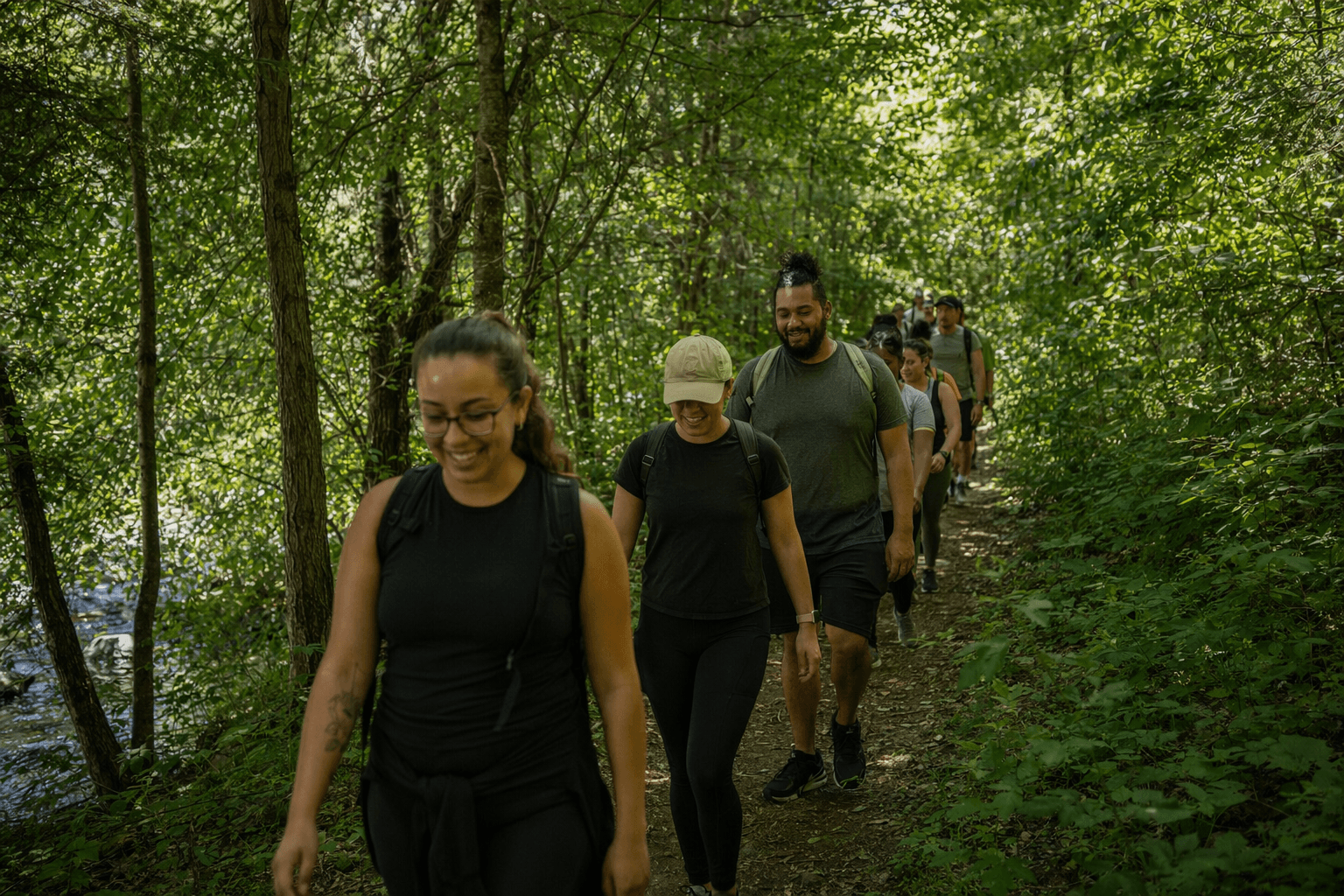
The simplest mental health ritual in Westminster is also one of the smartest: a free monthly hike that asks people to show up, walk a trail, and let the woods do some of the heavy lifting. Hosted by Graceful Balance Wellness at Bear Branch Nature Center, the April 25, 2026 gathering is less about performing wellness and more about building a repeatable pause that feels human, practical, and low-pressure.
That monthly shape matters. Humanitix shows Graceful Balance Wellness also ran a free monthly mental health hike on January 27, 2024 and listed another for June 13, 2026, which makes the walk feel like a standing community practice rather than a one-off event. For mindfulness readers, that is the real draw: the structure is familiar, the cost is zero, and the commitment is small enough that people who would never sign up for a formal meditation class can still say yes.
How the event is structured
The listing for the April 2026 hike places the group at Bear Branch Nature Center, 300 John Owings Rd, Westminster, MD 21158. Participants are told to park next to the nature center and meet near the playground, which sounds minor but actually says a lot about the event’s design. There is no maze of registration steps, no studio etiquette, and no complicated gear list. It is a walk, in a place people can find, with a clear starting point.
The hike also welcomes kids with an attending adult and is weather dependent, which keeps the whole experience grounded in real life rather than ideal conditions. That flexibility is part of why the format works. The event is not framed as a long workshop or a spiritual retreat. It is a monthly outdoor pause with a clear purpose: get moving, ease mental strain, and create a sense of belonging.
Why it feels supportive without becoming clinical
Graceful Balance Wellness makes an important distinction in the listing by saying the hike is not therapy. That boundary is worth keeping, because it helps people know what they are walking into. The event is designed for community support, not treatment, and that keeps the tone approachable for people who may want connection and stress relief without the intensity of a clinical setting.
At the same time, the organization’s broader work gives the hike credibility. Graceful Balance Wellness says it offers holistic mental health services in Westminster, including anxiety therapy, EMDR, perinatal mental health, grief counseling, and life coaching. It describes its Westminster practice as a multidisciplinary, faith-based team with licensed counselors and certified life coaches, and it also says it provides in-person and virtual care in Westminster and Hanover, Pennsylvania. Its NPI profile lists the organization as an active professional counselor provider in Westminster since September 7, 2022.
That mix is what makes the hike feel balanced instead of vague. The walk is not therapy, but it is hosted by a practice that clearly understands mental health work. The result is a container that feels supportive, organized, and non-clinical at the same time.
Why the nature setting does so much of the work
Bear Branch Nature Center is not just a backdrop. Carroll County describes Hashawha Environmental Center and Bear Branch Nature Center as a 320-acre park with 5 miles of multi-use trails, raptor mews, fishing at Lake Hashawha, abundant wildlife, and the restored Martin Cabin Homestead. That is a substantial natural setting, not a tiny pocket park squeezed between roads.
Friends of Hashawha Bear Branch adds another useful detail: visitors should look for the sign at the bottom of the driveway, and the residential area is restricted to user groups only. That tells you the hike is happening inside a managed public nature facility, with enough structure to feel safe but enough trail space to feel expansive. For a mindfulness walk, that combination matters. People can orient quickly, settle in faster, and spend their attention on the walk itself instead of the logistics.
Why walking in nature lowers the bar for mindfulness
The reason this model resonates is that it sidesteps one of the biggest obstacles in mindfulness culture: stillness can feel intimidating. A hike gives people movement, conversation, and scenery, so the practice feels less like a test of discipline and more like an easy shared rhythm. That is especially useful for anyone who resists the formal feel of meditation but still wants relief from stress and anxiety.
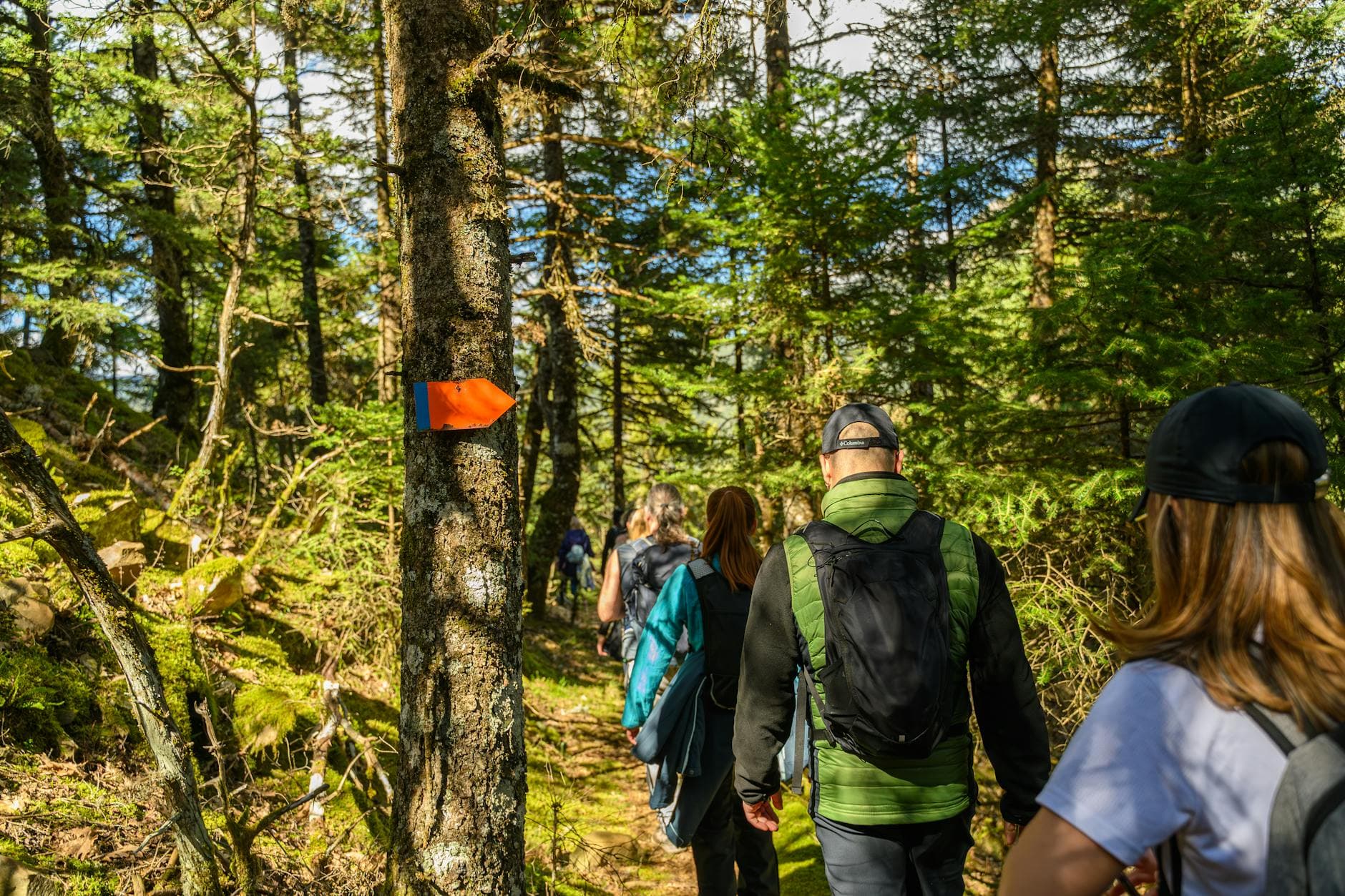
The public health case for that approach is solid. The Centers for Disease Control and Prevention says physical activity can reduce short-term feelings of anxiety in adults and improve mood. The American Psychological Association has also reported that exposure to nature is linked with lower stress, better mood, improved attention, and other mental health benefits. Put those two together and the Westminster hike starts to look less like a novelty and more like a well-built intervention in everyday form.
There is also broader research support for the overlap between mindfulness and the outdoors. A systematic review and meta-analysis of nature-based mindfulness found 25 studies involving 2,990 participants. That is not a tiny niche signal. It suggests that combining attention, movement, and natural surroundings is becoming a serious tool for supporting mental well-being.
Why this format works for communities right now
The bigger story here is accessibility. Community wellness often gets trapped inside classrooms, studios, and paid programs, which can make it feel remote from the people who need it most. A free monthly hike changes the equation. It uses a familiar shape, a walk in nature, and gives it a supportive but non-clinical frame that most people can understand immediately.
That is what makes the Westminster model so useful. It does not require special equipment, a long commitment, or fluency in meditation language. It simply asks people to park near the nature center, meet by the playground, and walk with others for a while. For teens, adults, couples, and families, that can be enough to lower the threshold for showing up.
The surrounding community context reinforces the need. Carroll County Health Department’s Bureau of Prevention, Wellness, and Recovery coordinates prevention efforts and supports recovery from substance use and mental health disorders, while Mental Health America’s county dashboard tracks mental health screening data and local resources across the country. In that environment, a free outdoor gathering is not a substitute for care, but it is a practical bridge toward it.
Westminster’s monthly hike shows how community mindfulness can work when it is stripped down to its essentials: a trail, a group, a clear boundary, and a place that makes people feel welcome before the walk even begins. That is what accessible stress relief looks like when it leaves the studio and meets people on the path.
This article was produced by Prism’s automated news system from verified source data, official records, and press releases, then run through automated quality and moderation checks before publishing. The system is built and supervised by the people who set the standards it runs under. Read our full AI policy.
Did this article answer your question?