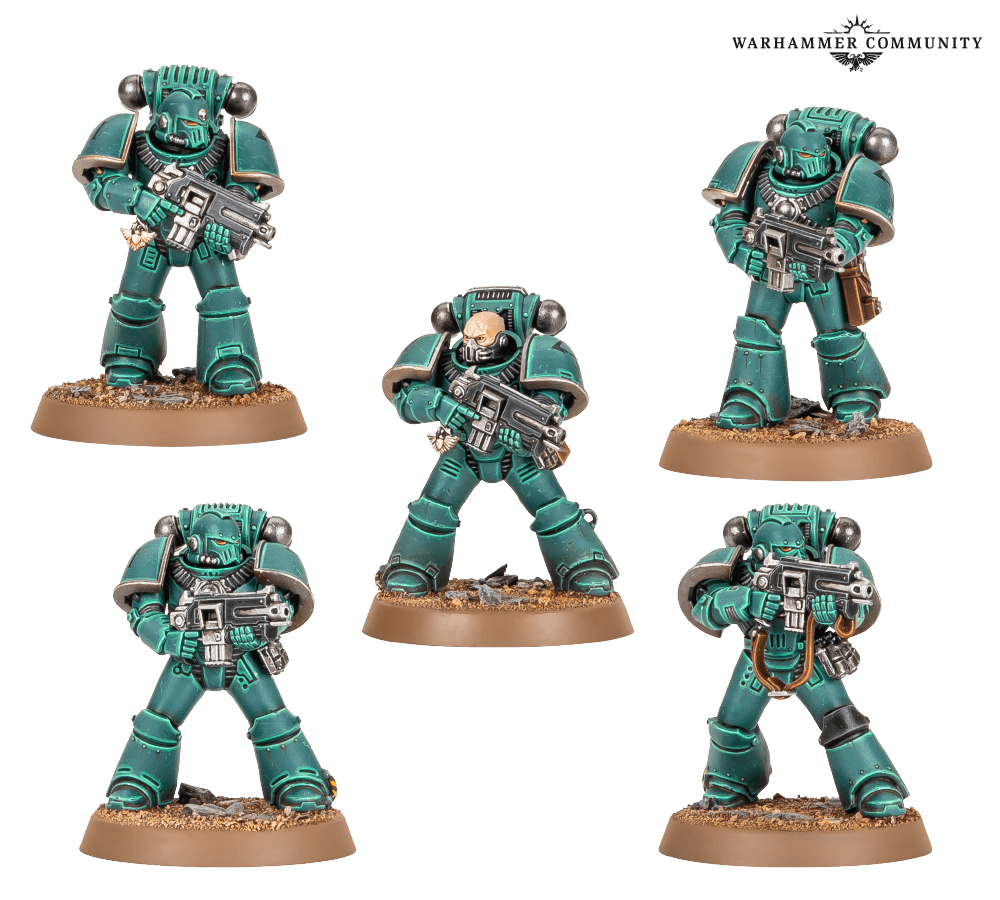
Goonhammer Shows How Airbrushing Speedpaints Expands Miniature Painting Options
Speedpaints are no longer just brush-on shortcuts. Goonhammer’s airbrush tutorial shows how the same bottles can speed up basecoats, zenithals, and smoother blends.
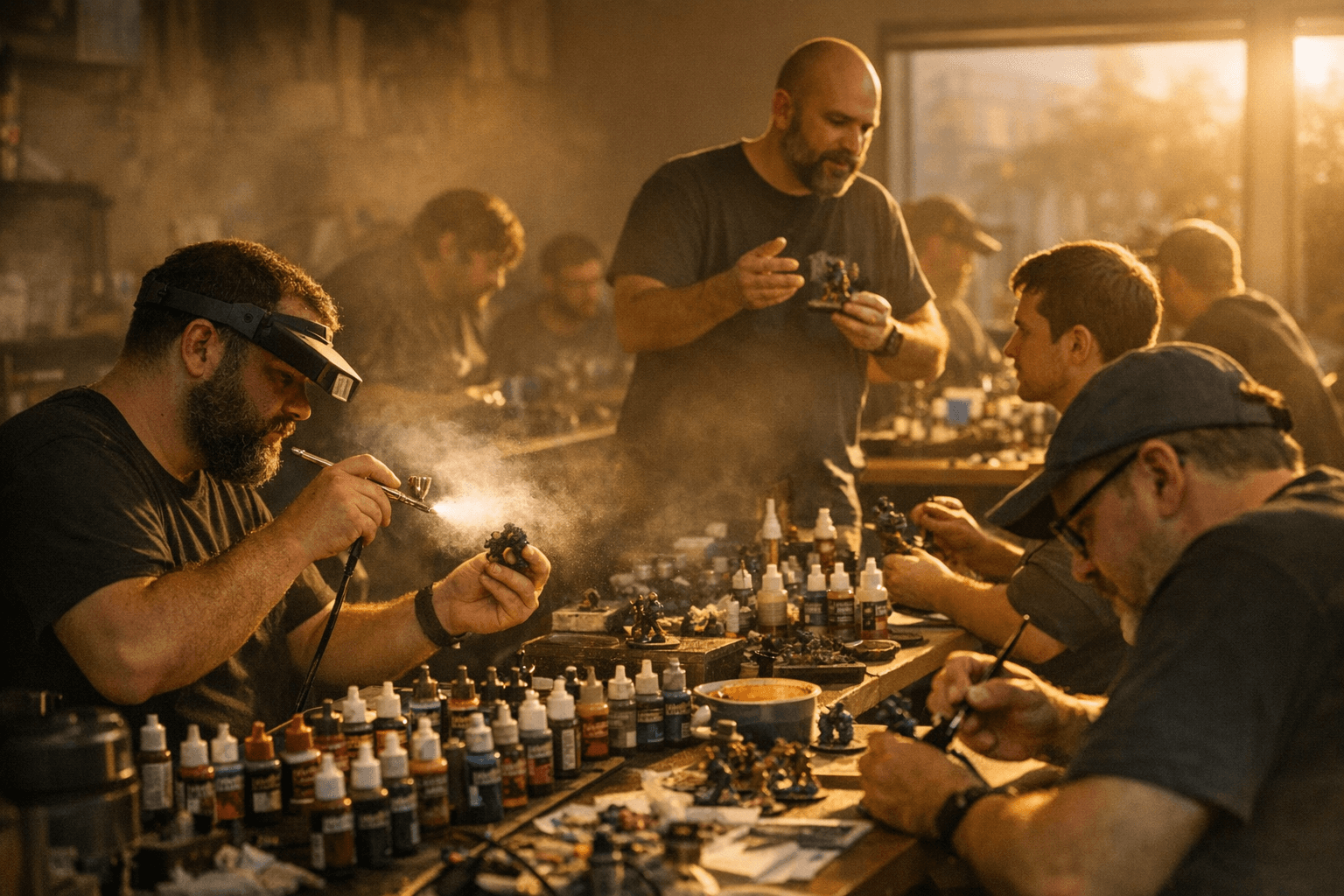
A smarter way to use the bottles you already own
Speedpaints have always sold the dream of fast tabletop-ready color, but Goonhammer’s Hobby 102: Airbrushing with Speedpaints pushes that idea further than most painters expect. Instead of treating the range as a brush-only shortcut, keewa’s guide shows how the same paints can become a flexible airbrush tool for faster basecoats, smoother transitions, and more interesting underpainting.
That is the real surprise here. If you already own Speedpaints, this is not about buying a whole new system. It is about getting more mileage out of the bottles on your desk, especially when you are staring down a larger army or a pile of mixed-material kits and need your next batch-paint session to move.
Why this matters for army painters
The practical payoff is immediate: airbrushing Speedpaints can save time without flattening the model. You still get the quick-hit convenience people buy Speedpaints for, but the airbrush makes that convenience feel more controlled. Instead of flooding a panel with brushwork and hoping the paint settles well, you can lay down color in a way that helps preserve smooth transitions and cleaner coverage.
That matters most when you are building an army, not a single showcase character. A fast, sprayed basecoat can get ten infantry models to the same visual starting point far quicker than brush application alone, and the technique also plays nicely with zenithal work and mixed-material projects where plastic, resin, and printed parts all need to look like they belong together.
What Goonhammer’s Hobby 102 is doing here
This is not a one-off trick post. Hobby 102 is Goonhammer’s teaching series, and the April 2026 run also includes pieces like Non-Metallic Metals and Easy OSL Glow with Speedpaints, so the airbrush entry fits into a larger push toward practical hobby education. Goonhammer had also published a Hobby 102: Airbrushing article on July 31, 2024, which makes this feel like a follow-up to an existing instructional thread rather than a random detour.
That context matters because the piece sits right between beginner comfort and advanced tool handling. Speedpaints can feel specialized, and airbrushes can feel intimidating. Put together, though, they turn into a surprisingly approachable hybrid workflow: spray the first pass, then pick up the brush again for cleanup, accents, and refinement.
The myths this clears up
This story does a good job of knocking down two hobby myths at once. The first is that Speedpaints are only for traditional brush application. The second is that an airbrush is mainly for people doing highly technical showcase work. Goonhammer’s angle shows that neither assumption really holds up.
The Army Painter is already signaling the same thing on its side. Its current Speedpaint 2.0 line is marketed as a reformulated one-coat solution for painters of all skill levels, and its Warpaints Air page explicitly says, “Shake. Pour. Spray.” It also says you can use Speedpaint 2.0 with an airbrush to make vibrant filters and effects. That is a pretty strong hint that the company does not see sprayed Speedpaints as a gimmick.
Why Speedpaint 2.0 changes the conversation
The old Speedpaint conversation was always tangled up in reactivation. Goonhammer’s 2023 review pointed out that users had reported issues with the original line reactivating, and the same review says Speedpaint 2.0 uses a new formulation that does not reactivate once dry. That detail is huge if you are thinking about airbrush work, because a paint that settles and stays put is a lot easier to build on in layers.
That stability is what makes this use case feel more than clever. A formula built to be more reliable for new painters and faster tabletop projects is also better suited to experimentation. You can spray it as a filter, use it over a strong undercoat, or build color on top of a bright primer and know that the next step is less likely to turn into a muddy mess.
The setup that gives the best results
The Army Painter’s own guidance makes the path pretty clear. For the most vibrant results, it recommends a bright white prime or a bright zenithal base. It also points to alternate primer shades like Brainmatter Beige or Ash Grey when you want a different effect. That is exactly where the airbrush starts to earn its keep, because zenithal underpainting and sprayed color passes naturally fit together.
A useful way to think about the workflow is this:
1. Prime the model in bright white or with a clean zenithal.
2. Spray Speedpaint through the airbrush to establish your main color.
3. Bring the brush back in for edges, details, and local correction.
That sequence keeps the speed advantage intact while letting you steer the finish instead of just accepting whatever the first coat gives you. For army painters, that is the difference between “done fast” and “done fast but still looks intentional.”
The range is big enough to support the experiment
This also lands at a moment when Speedpaint is no longer a tiny side range. The Speedpaint Complete Set 2.0 includes 90 bottles total, with 79 colors, 10 metallics, and 1 medium. The Mega Set 2.0 includes 46 colors, 3 metallics, and 1 Speedpaint Medium. The Wargamers Mega Paint Set 2.0 includes 60 one-coat paints, plus 4 metallics and 1 medium.
Those numbers matter because they show a line that has grown well beyond its original “one-coat and done” reputation. The broader the range gets, the more useful it becomes for spray-based experimentation, whether you are chasing a uniform infantry scheme or trying to punch up a batch of display pieces with faster underpainting and richer filters.
The bottom line for your next project
The best thing about Goonhammer’s take is that it does not turn Speedpaints into something they are not. It simply stretches them into a workflow that feels more useful than the old assumptions suggest. If you already own the paints, an airbrush can help you base faster, blend smoother, and get more visual payoff from the same bottles.
For painters trying to save time without downgrading the look of an army, that is the kind of upgrade that changes how you plan the whole project. It is not just a new technique. It is a better way to spend the paint you already have.
This article was produced by Prism’s automated news system from verified source data, official records, and press releases, then run through automated quality and moderation checks before publishing. The system is built and supervised by the people who set the standards it runs under. Read our full AI policy.
Know something we missed? Have a correction or additional information?
Submit a Tip