Goonhammer shows how to paint Iron Monger for Marvel Crisis Protocol
Iron Monger gets a practical How to Paint Everything treatment that turns a hulking MCP villain into a fast, readable centerpiece. The recipe leans on metallics, shadow and comic-book contrast.
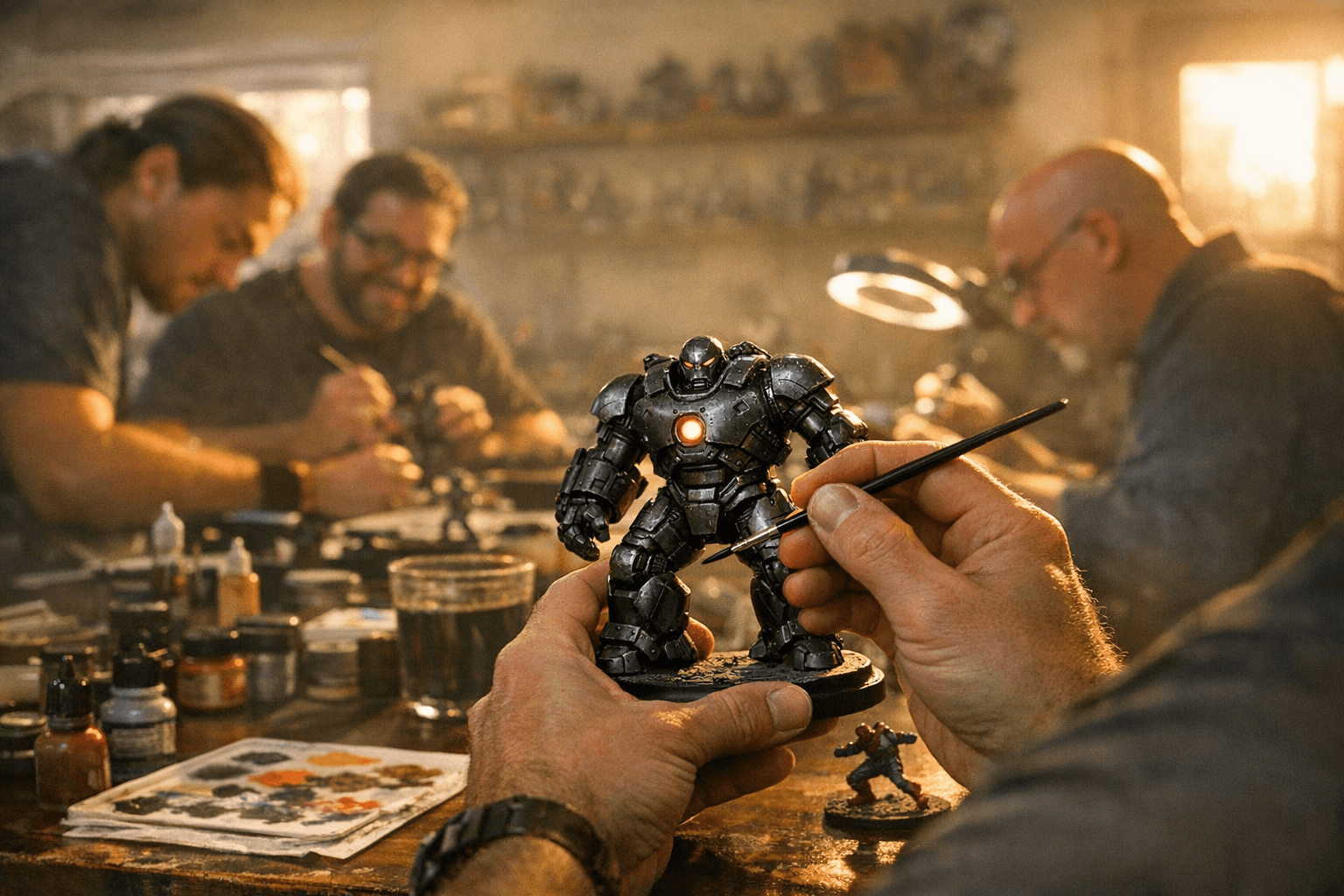
Iron Monger is exactly the kind of Marvel Crisis Protocol model that makes a painting guide feel useful the moment you see it. Brushwizard’s take folds the big Tony Stark-adjacent villain into the long-running How to Paint Everything series, and that is a smart move for a sculpt built to be painted, played, and shown off instead of left in the box.
Why Iron Monger deserves the fast-track treatment
This is not a character that benefits from vague inspiration or broad theory. Iron Monger is a large armored villain with heavy metallic surfaces, which means the model lives or dies on how well you handle contrast, readability, and the finish on the armor plates. If the metals are flat, the whole miniature loses its menace. If the shadows are too timid, the shape disappears. If the highlights are too noisy, you get a shiny mess instead of a giant comic-book power suit.
That is why a focused guide makes sense here. The article is aimed at Marvel Crisis Protocol players and display painters alike, but the appeal is broader than one faction or one box. It takes a single named character from a recent Tony Stark-adjacent box and treats him as something to assemble, paint, and actually finish. That practical framing matters in a hobby where a lot of projects stall after assembly.
What makes Iron Monger visually tricky
Iron Monger looks simple from a distance because he is mostly armor, but that simplicity is deceptive. Big armored miniatures are unforgiving: every seam, panel line, and edge highlight is visible, and the model needs enough contrast to read at game distance without sacrificing the heavy industrial feel that makes the sculpt work. The guide’s strength is that it treats metallics, shadows, and bright armor accents as the core of the job instead of decorative extras.
That balance between comic-book clarity and tabletop readability is the whole game here. MCP models can get lost if you chase realism too hard, so Iron Monger rewards a more graphic approach. You want the armor to look bold and deliberate, with the kind of contrast that makes the silhouette pop under kitchen light, store lighting, or a quick photo on your phone.
The fastest route from sprue to displayable result
The real promise of this guide is speed without sloppiness. Iron Monger is the sort of project that can justify a weekend airbrush session, but the article also points toward a recipe that works if you prefer a brush-first approach. The key is to establish the armor early, then make the shadows and accents do the heavy lifting.
A practical approach looks like this:
- Keep the build clean so the metal surfaces do not telegraph mold lines and glue scars.
- Push the main metallic tone early, because Iron Monger needs a strong armor base before any fancy work matters.
- Deepen the recesses aggressively enough that the plates separate cleanly at arm’s length.
- Use bright armor accents sparingly, so the model keeps its weight instead of turning into a shiny billboard.
- Add weathering only where it supports the industrial look, because too much grime can bury the character details.
That sequence is what makes the guide feel like a shortcut. It does not ask you to reinvent the model, and it does not bury the miniature under overworked effects. It simply gives the armor enough structure that the finished piece looks intentional fast.
Why this recipe is useful beyond Iron Monger
The best hobby guides are the ones you can steal from and reuse, and this one is built for that. Any armored villain, any heavy exosuit, and plenty of power-armored comic-book characters can benefit from the same approach: strong metallic foundation, sharp shadow control, and bright accents that keep the eye moving. If you have a pile of MCP models waiting for paint, Iron Monger is a very good test case for whether your metallic recipe actually holds together.
That is also why this kind of article has staying power inside the Marvel Crisis Protocol hobby ecosystem. It treats the miniature as a working piece of the game, not just a product photo. It gives you a reason to pull the box off the shelf, choose a finish, and get the villain across the line into a displayable state. For a model this imposing, that is the difference between owning Iron Monger and actually fielding him with pride.
Why this one lands now
Fresh Marvel Crisis Protocol discussion is still active, and a focused paint guide fits that energy better than a generic overview ever could. A named character, a specific recent box, and a clear paint plan are the ingredients that make people stop scrolling and start planning their next session. Iron Monger is big, metallic, and visually loud in exactly the right way, which means the fastest path to a great result is the one that respects the sculpt’s scale and keeps the finish crisp.
That is the real payoff here. Brushwizard’s guide does not just explain how to paint Iron Monger, it shows why a smart metallic recipe can turn one of MCP’s heaviest-looking villains into a finished centerpiece without wasting a weekend on guesswork.
This article was produced by Prism’s automated news system from verified source data, official records, and press releases, then run through automated quality and moderation checks before publishing. The system is built and supervised by the people who set the standards it runs under. Read our full AI policy.
Did this article answer your question?