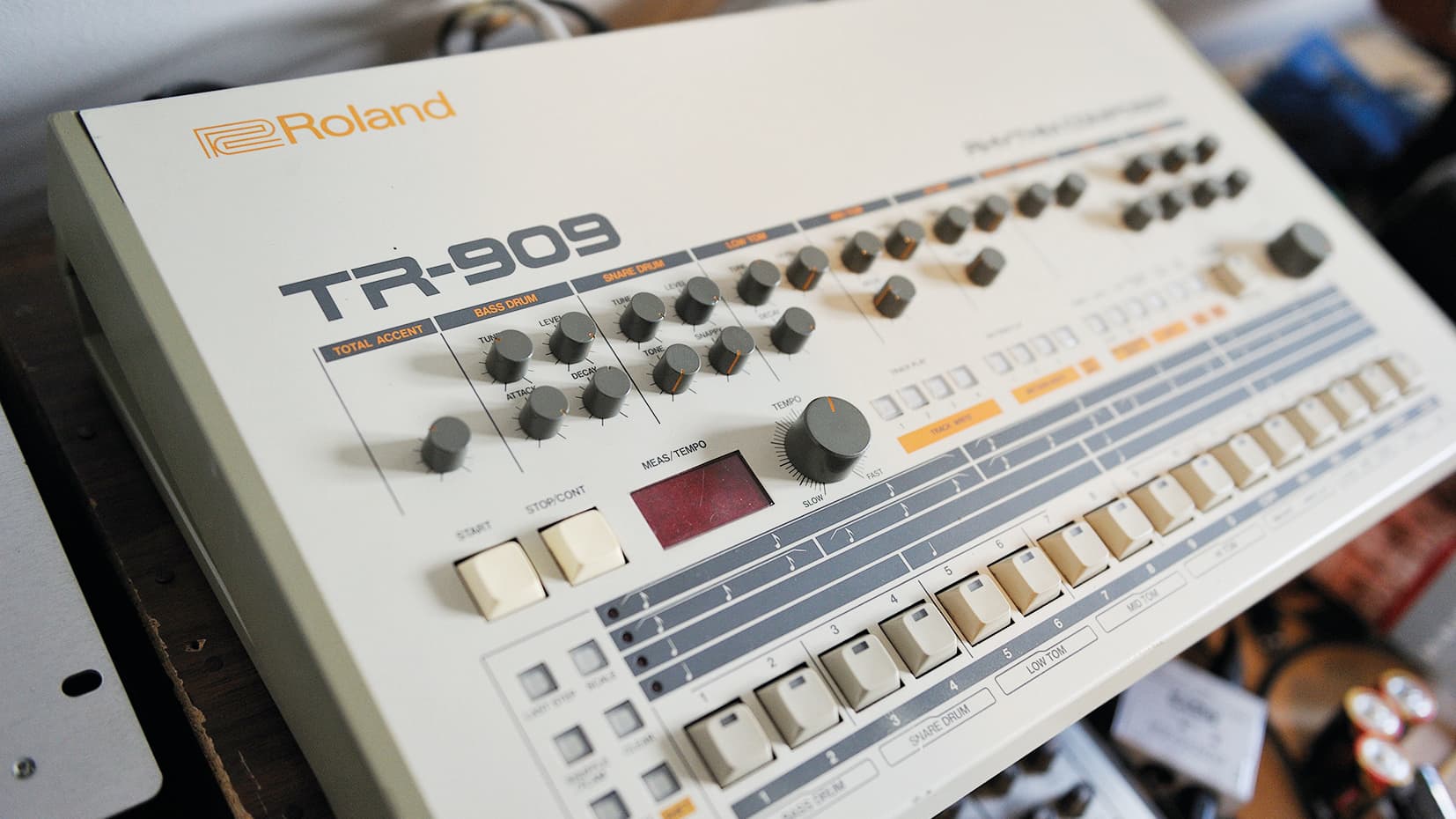
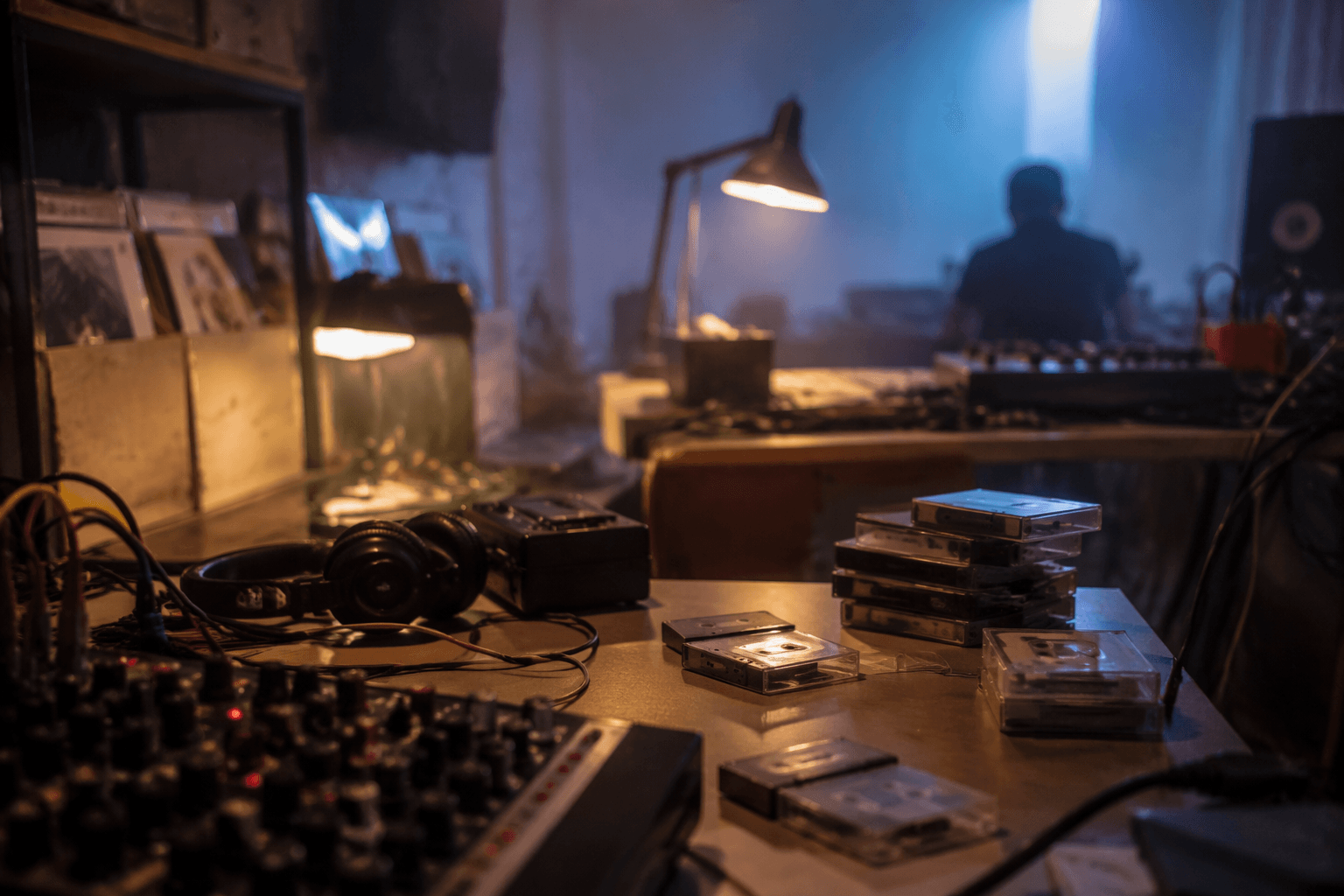
Akufen turned Canadian radio fragments into minimal techno movement
Akufen solved minimal techno’s hardest trick: making a sparse loop feel human. His Canadian radio microsamples show how tiny fragments can add instability, texture, and movement.
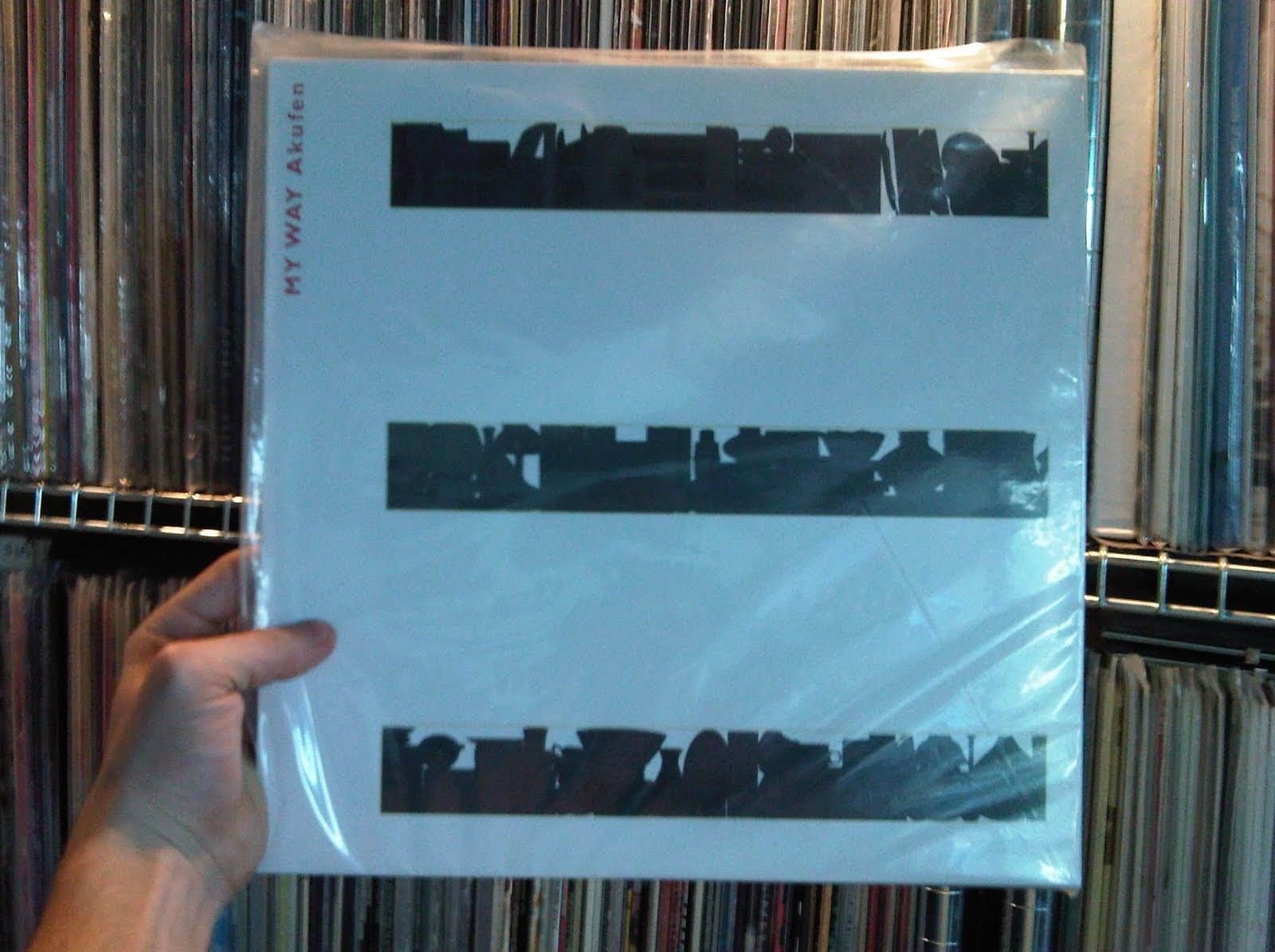
Marc Leclair turned fragments from Canadian radio into the engine of My Way, released May 14, 2002 on Force Inc. Under the alias Akufen, he solved a problem minimal techno still runs into: how to make a loop feel human without burying it in melody.
What Akufen fixed for minimal producers
The first lesson is that restraint works best when it still carries trace evidence of life. Akufen built minimal house and minimal techno from samples taken from Canadian radio — what Ableton called “revolutionizing a genre one might call minimal house & minimal techno.” The source material is ordinary, but the result is not blank. Tiny vocal shreds, station noise, talk-show blur, and broadcast static can sit inside a rigid 4/4 pattern and make the groove feel unsettled without ever turning into a crowded arrangement.
The second lesson is that repetition does not have to sound static. Akufen’s method depends on microscopic edits that keep changing position against the beat, so the ear hears motion even when the harmony is almost absent. That solves a familiar minimal problem: how to keep a stripped-back track from sounding like a loop that simply repeats itself.
The third lesson is that club functionality does not require clean material. Akufen’s records use found sound, but they still hit like dancefloor music because the samples are organized around pulse, not spectacle. The trick is not to add obvious hooks on top of the groove, but to let the groove reveal the hook through timing, placement, and tiny bursts of recognition.
My Way and the logic of the edit
My Way is the clearest statement of that approach. Discogs credits Marc Leclair as producer and writer on the Force Inc. release, and Rate Your Music credits him with the liner notes. The album is built around a declared method rather than a vague studio accident. The record’s reputation in 2002 came from how rigorously it translated radio debris into something that could function as a cohesive minimal house album.
Leclair wrote in the liner notes that he had rethought sampling after feeling many sample-based artists were “robbing the actual hooks” of other tracks. Creative Loafing’s 2002 review captured the process in practical terms: he woke up and recorded his dial-twists on regular and shortwave radio tuners, then turned those sound jumbles into finished music. That gives the blueprint a producer can actually use today: source something unstable, record the searches themselves, and let the edits become the composition.
Exclaim! put the raw material at hundreds of hours of radio bits that Leclair recorded and processed. That volume is part of the point. The album is not built from a single clever snippet, but from sustained listening, sorting, and chopping until the raw material becomes a vocabulary of micro-events. It arrived in 2002 to immediate acclaim, adoration, and actual sales.
How the microsampling method works in practice
Akufen’s “microsampling” sits at the intersection of found sound, micro-editing, and club discipline. In Ink 19’s practical definition, it meant taking samples from everything on the radio, talk shows, advertisements, static, whatever, and blending them into a minimalist 4/4 house beat. That combination is the real lesson: the samples are not there to dominate the track, but to animate the beat from within.
For producers, the method breaks down cleanly:
- Start with broadcast material that already contains movement, like radio chatter, dial changes, or static.
- Cut it into tiny events so the source becomes texture instead of quotation.
- Place those fragments on a steady rhythmic grid so the track keeps its floor-ready shape.
- Let repetition do the perceptual work, so the ear starts hearing development in barely audible changes.
That is why Akufen’s records can feel busy without sounding cluttered. The samples are so small that they function less like obvious melodies and more like pressure points inside the loop. You hear a human presence, but it appears and disappears fast enough to keep the track austere.
Why Montreal mattered to the sound
Akufen was presented in 2002 as Montreal-based, or from Quebec and rural Montreal, and that geography matters because the method is tied to a lived media environment. Canadian airwaves were not just a concept or a novelty source; they were the sonic weather around Leclair’s work. The music preserves the feel of tuning through public space, where the radio is full of voices, ads, dead air, and accidental drama.
In the early-2000s microhouse turn, the music felt fresh because it was densely informed by a local listening habit, then shaped into a form that club systems could still carry.
Where Akufen sits in the minimal techno lineage
My Way helped define a strain of micro-editing and sample-based minimalism that expanded what minimal house and minimal techno could do. Ink 19 compared Akufen’s approach to Matthew Herbert, another producer known for making experimental source material feel club-ready, and that comparison lands because both artists made everyday sound carry dancefloor weight. The shared idea is not abstraction for its own sake, but the conversion of ordinary audio into rhythmic tension.
Salon placed Leclair within the broader electronic landscape of the period. For minimal producers, the key point is simpler: Akufen showed that absence is not the same thing as emptiness. His tracks are packed with human residue, just compressed until it flickers at the edge of recognition.
This article was produced by Prism’s automated news system from verified source data, official records, and press releases, then run through automated quality and moderation checks before publishing. The system is built and supervised by the people who set the standards it runs under. Read our full AI policy.
Did this article answer your question?