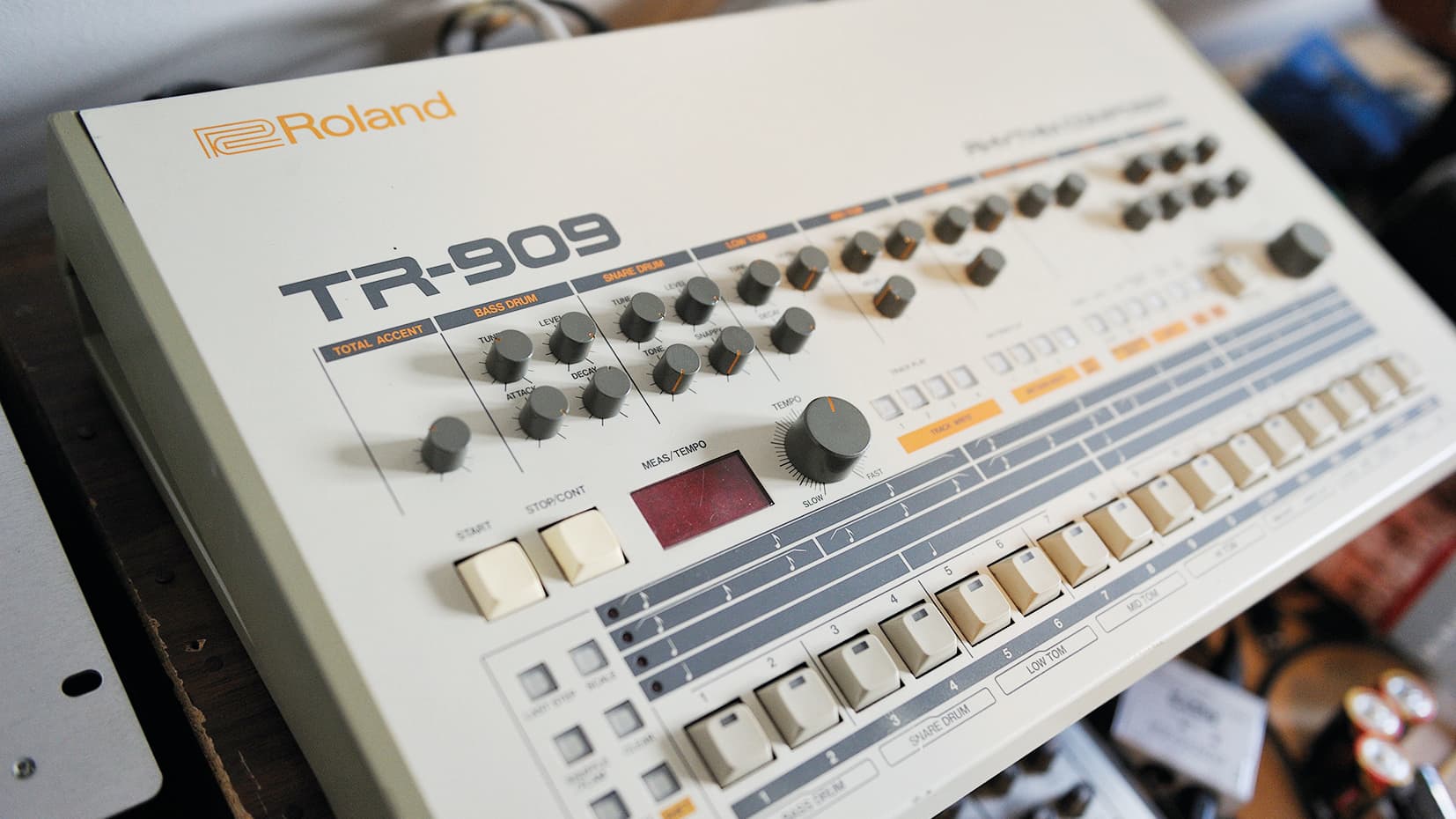
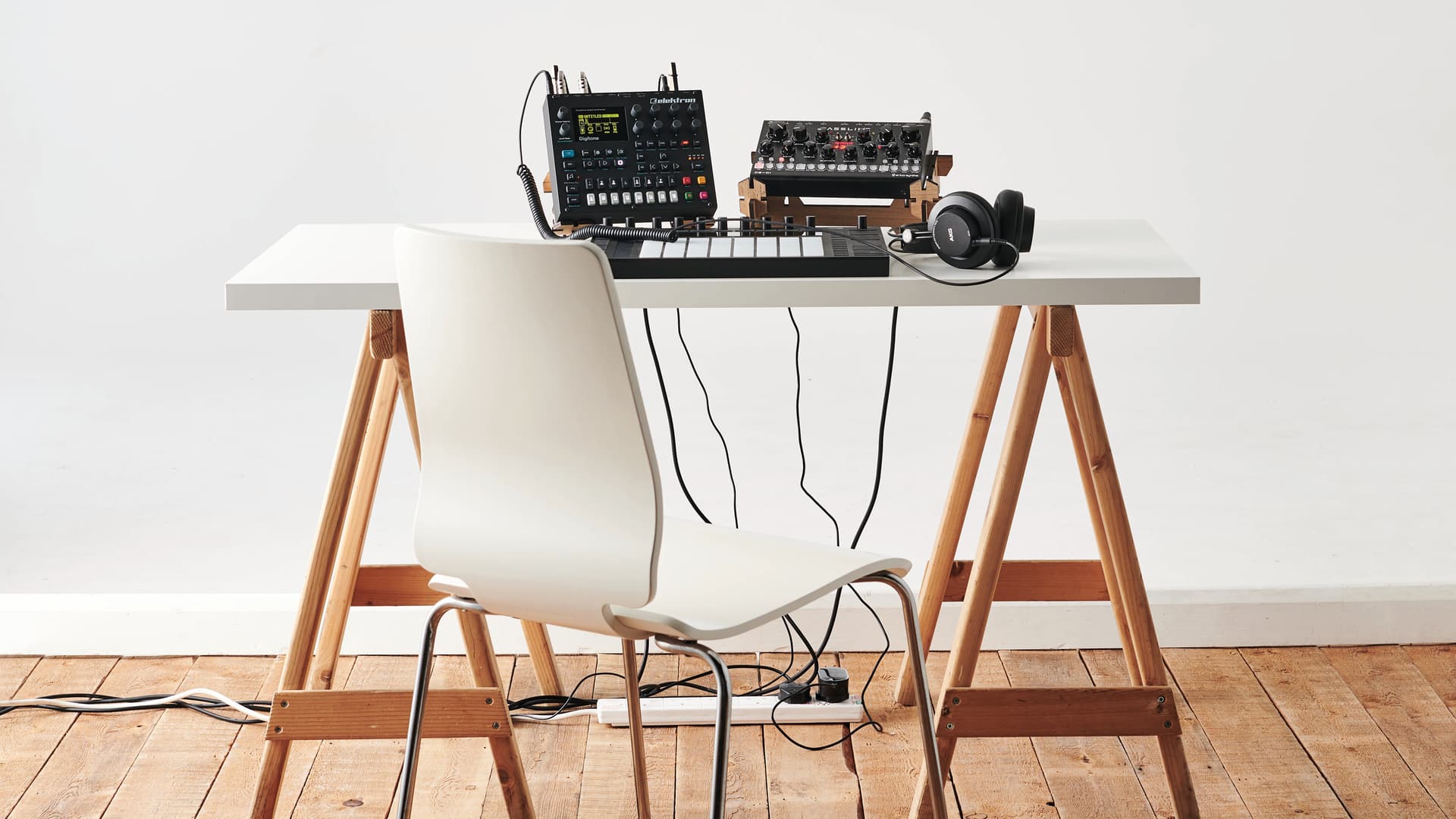
Minimal Detroit Audio extends Detroit techno's futurist legacy
A small Detroit imprint, launched by Terrence Dixon, turns minimal techno into a direct line from the city’s futurist past to a tightly curated present.

Minimal Detroit Audio reads less like a vanity label than a piece of scene infrastructure. Its footprint is small, with a Resident Advisor profile that pegs it to 2021, places it in the United States of America, and shows only 9 followers, but the framing is disciplined: Detroit history, a Bandcamp storefront, a Discogs entry, and a label identity built around minimal techno’s functional edge.
Detroit as the frame
The label’s Resident Advisor profile does a lot of work before you even reach the releases. Its about text opens with Detroit as the birthplace of techno and stresses nearly four decades of techno and electronic-music history, which is not just backstory but the operating logic behind the imprint. That context matters because Minimal Detroit Audio is being presented as an inheritance project, one that treats Detroit not as a logo but as a set of responsibilities: futurist sound, strong identity, and a tradition of music that traveled far beyond the city.
That framing also positions the label inside a very specific branch of techno culture. Minimal techno often thrives on restraint, repetition, and utility, but here the restraint is anchored to Detroit’s own reputation for forward motion. The result is a label that feels local and international at once, a small catalog with a big claim to lineage.
Terrence Dixon’s launch sets the tone
The project’s clearest origin point came on Feb. 18, 2021, when Terrence Dixon announced the first release of Minimal Detroit Audio, or MDA. “After 8 years we are very proud to announce the first release of our new label Minimal Detroit Audio (MDA),” he wrote, and he added that the label would “honour, respect and capture the very essence that made Detroit techno labels what they are today.”
Those two lines tell you almost everything about the label’s mission. Dixon is not treating the imprint as a side hustle or a generic platform for uploads. He is explicitly tying it to the character of Detroit techno labels, the kind of ecosystem where catalog discipline, identifiable aesthetics, and scene memory matter as much as individual tracks. In that sense, Minimal Detroit Audio extends the ethos already associated with Dixon’s broader connection to Detroit minimalism, which Resident Advisor explored again in its 2017 feature on Terrence Dixon and Detroit minimalism.
The 2021 announcement also linked the first release to “The Bridge,” which “celebrates the Detroit-Berlin connection.” That detail gives the imprint a transatlantic axis. Detroit provides the root system, Berlin supplies a second pole of club history, and the label becomes a mechanism for moving between those two cities without flattening either one.
A catalog built for diggers
The best way to understand Minimal Detroit Audio is to look at how it is cataloged. Discogs describes it as a techno label from Detroit, Michigan and links it to Bandcamp and SoundCloud, a setup that signals both distribution and documentation. That combination is classic small-label behavior in the best sense: direct-to-fan access for listeners, and enough metadata for collectors and DJs to track the releases properly.
Bandcamp makes the structure even clearer. The Minimal Detroit page includes “mda.vol 004 - the bridge part 2,” “The Bridge” by Terrence Dixon, Rod Modell, Thomas Fehlmann, and Domenique Xander, “Edge of the Visible Universe” by Population One, and “My Brain’s Brain” by Jordan GCZ. It also lists track entries such as “Transmission D” and “The Musical,” which suggests a catalog that is both curated and modular, with individual pieces and larger release groupings living side by side.
That matters in minimal techno because the format often tells you as much as the sound. A label that can present collaborative releases alongside singular artist statements, and can keep those records easy to find, is building the kind of infrastructure diggers rely on when they are chasing a very specific groove, not just a famous name.
The Bridge as a scene signal
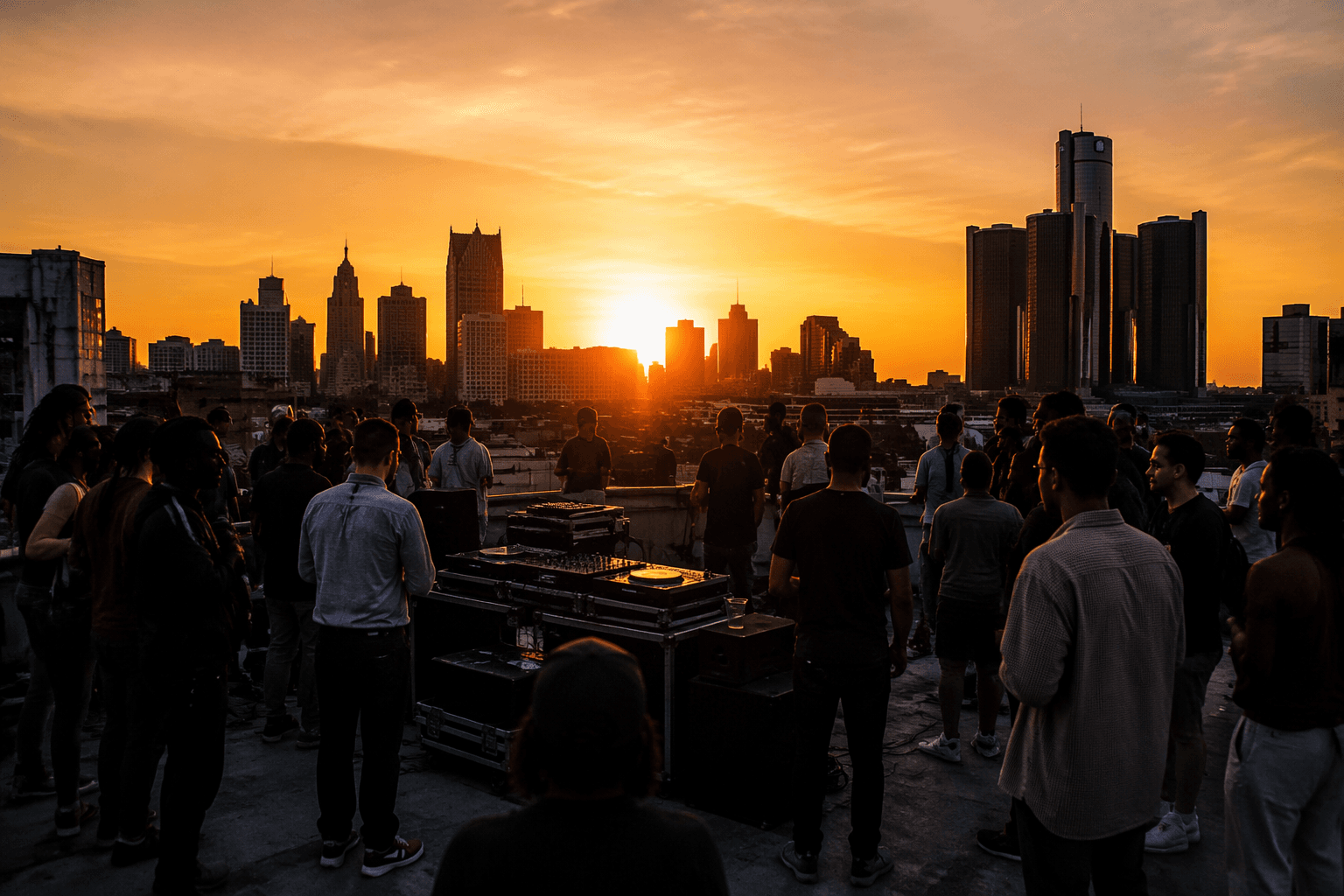
“The Bridge” is the label’s clearest statement of intent. With Terrence Dixon, Rod Modell, Thomas Fehlmann, and Domenique Xander involved, it places Minimal Detroit Audio inside a network that reaches beyond a single local identity while still keeping Detroit at the center. The title itself says as much as the track list does: this is about connection, transfer, and continuity.
Discogs lists “The Bridge Vol.2” by Various, which confirms that the concept is not a one-off branding exercise. It is being developed across releases, giving the label a recognizable internal logic. In minimal techno, that kind of continuity matters because labels are often heard as serial arguments, where each volume sharpens the same aesthetic proposition a little further.
Merch, archives, and the DIY spine
Bandcamp also shows a Minimal Detroit T-shirt in the merch section, which may seem minor until you put it next to the label’s Discogs and Bandcamp presence. Together, they sketch a practical DIY operation: music available for purchase, physical goods for direct support, and a catalog that can be archived cleanly. For a small imprint with 9 Resident Advisor followers, that kind of directness is not incidental. It is the working model.
The scale is part of the appeal. Minimal techno often rewards labels that stay focused enough to maintain a clear point of view, and Minimal Detroit Audio fits that pattern. Instead of stretching into a broad platform, it keeps circling back to Detroit minimalism, the Detroit-Berlin axis, and a release structure that privileges continuity over noise.
Detroit’s legacy, translated rather than repeated
Resident Advisor’s Real Scenes Detroit description says the city’s DJs and producers birthed techno and ties that history to the auto industry’s boom and bust. That broader cultural backdrop helps explain why a label like Minimal Detroit Audio lands with particular force. Detroit techno has always been more than a sound, and the city’s futurist reputation has always come from artists turning local conditions into global language.
Minimal Detroit Audio works in that register, but with a more reduced palette. It is not trying to reenact the past at full volume. It is translating Detroit’s legacy into a compact, minimal-focused imprint with a documented catalog, a direct sales path, and a mission statement that puts heritage at the center of its identity.
That is why the label feels bigger than its follower count. The whole point is the way a small, carefully built operation can still carry Detroit’s futurist charge, one release, one catalog entry, and one bridge at a time.
This article was produced by Prism’s automated news system from verified source data, official records, and press releases, then run through automated quality and moderation checks before publishing. The system is built and supervised by the people who set the standards it runs under. Read our full AI policy.
Did this article answer your question?