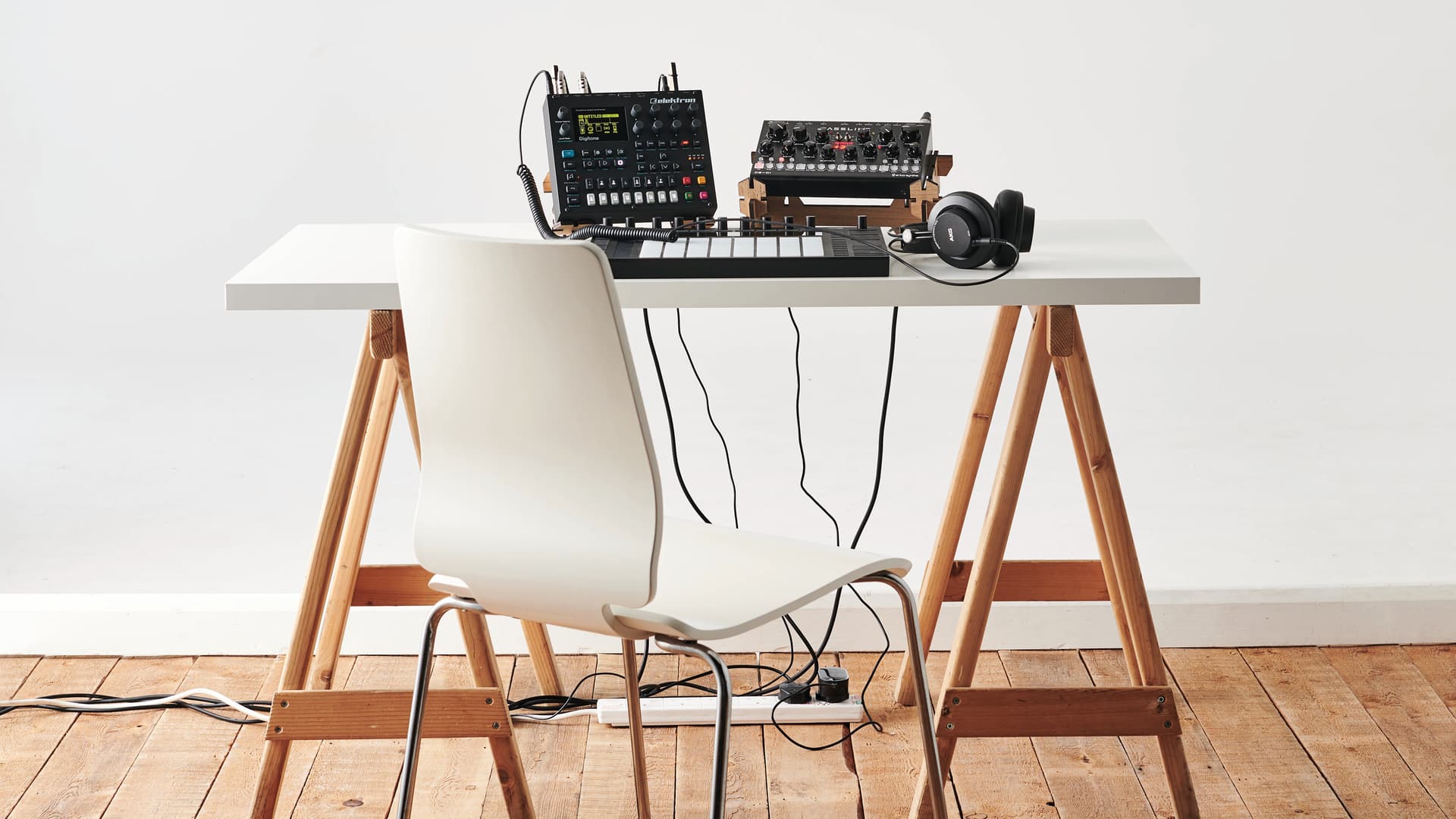
9 minimal techno arrangement tips to make loops feel complete
Minimal techno feels complete when you stop adding and start shaping. These nine moves turn a bare 8-bar loop into a track with tension, return, and grip.
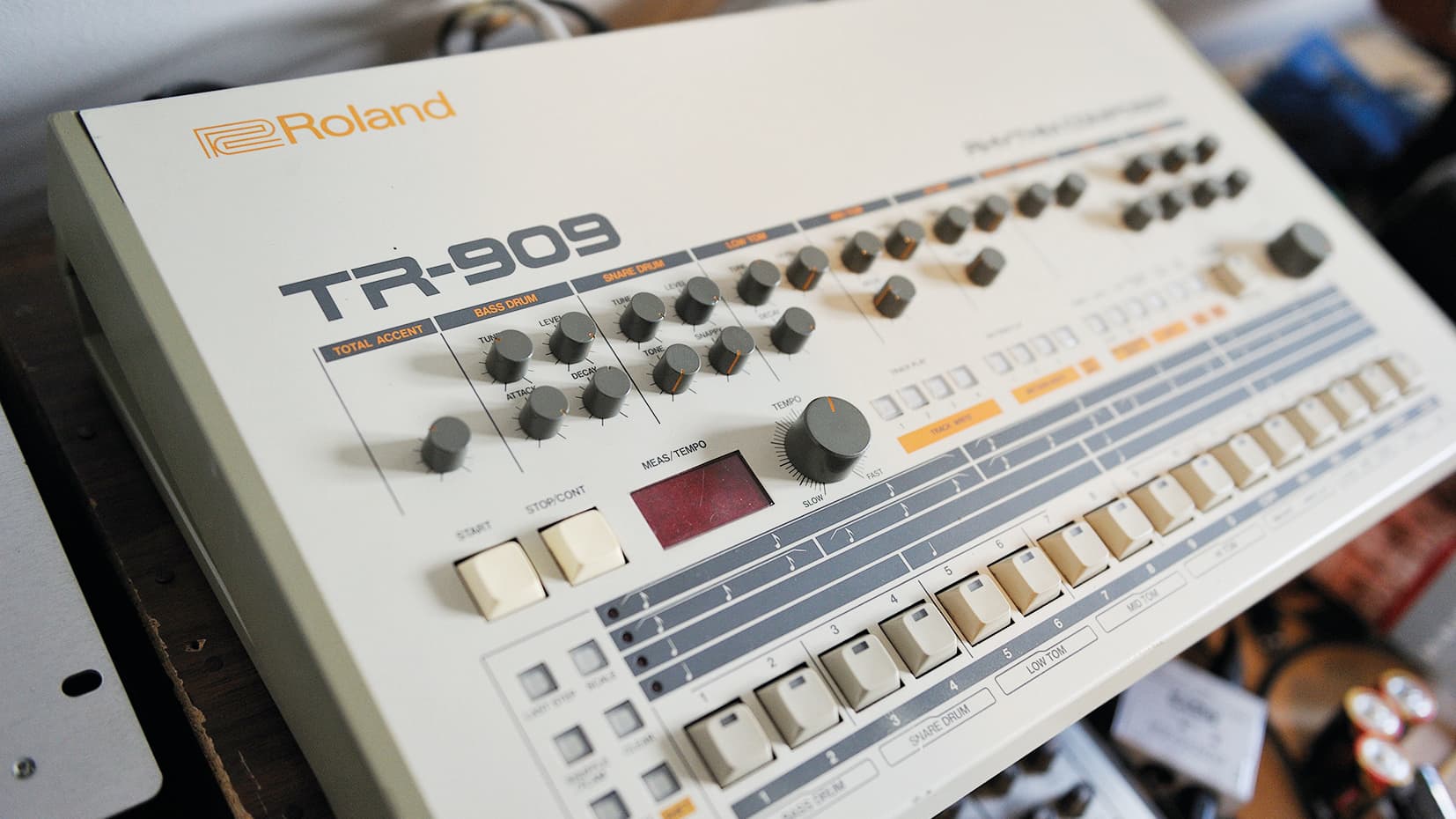
Minimal techno has a cruel little trick at its core: a kick, a bass pulse, and one percussion cell can feel finished if the arrangement keeps changing the frame. The style’s minimalistic arrangements, rooted in traditional Detroit techno, were shaped in early-1990s Detroit by names like Robert Hood and Daniel Bell, then pushed further through Richie Hawtin’s Plus 8 Records with John Acquaviva and his later Minus label empire. The craft lesson is the same now as it was then: in this music, control beats clutter.
Build a 4-bar spine
Start with the smallest version of the record that still moves. In practice, that means a kick, a bass pulse, and one percussion motif, then nothing else until those three parts already feel like a groove instead of a loop. MusicRadar’s “9 minimal track arrangement tips: find out how a little can go a long way” points straight at that discipline, because minimal techno lives or dies on whether the opening 4 bars can carry weight on their own.
Change placement before you add parts
Before you reach for another synth line, try moving what is already there. Slide a hat a few ticks late, push a clap off the grid, or nudge a percussion hit so it answers the kick instead of shadowing it. That kind of micro-offset is exactly what keeps a stripped-back loop from sounding static, and it works because the ear hears movement before it hears density.
Let subtraction become an event
One of the cleanest minimal-techno moves is to take something away for a bar and make the return matter. Muting a hat pattern for 1 bar, or dropping the bass for half a phrase, creates a little vacuum that the next entry can fill with more authority. In a genre built on restraint, absence is not a hole to patch, it is part of the arrangement language.
Write fills at the ends of phrases
The end of a 4-bar or 8-bar phrase is where you earn the next section. A short fill, a reversed click, a snare drag, or a single tom hit can tell the listener that the groove is turning the corner without blowing the doors off. That is how you move from loop logic to track logic without abandoning the clipped, functional feel that makes minimal techno work on a floor.
Automate one knob like it matters
Minimal arrangements get a lot from a single automated move. Delay feedback on a percussion hit, filter cutoff on the bass, or reverb send on a hat can all create the sensation of development if you let the change unfold over 8 bars instead of flipping it instantly. The point is not to make the automation obvious, but to make the room feel like it is breathing.
Use bass and filter as tension-release
In minimal techno, the bass line is often the hook, so treat it like one. Filter it down in the first pass, open it a little in the next phrase, then pull it back before the breakdown so the release actually lands. That small arc gives the loop a sentence structure, and it does it without reaching for a second melody or a chord wash.
Swap textures, don't stack them
If a section needs a lift, replace a sound instead of piling another one on top. Swap a closed hat for a shaker, a rim click for a wood block, or a metallic tick for a softer accent so the palette stays lean while the section changes character. Strategic element swaps are the difference between minimal and merely underwritten.
Make the breakdown thinner, not bigger
A minimal-techno breakdown does not need pads, vocals, or a dramatic drop into silence. Pull the groove apart just enough to expose reverb tails, leave a filtered pulse hanging, or let the kick go alone for a bar so the listener hears the existing patterns differently. MusicRadar’s “Arrangement 101: How to escape the 4-bar loop and turn ideas into complete tracks,” “6 ways to extend a short musical sketch into a full arrangement,” and “Keep it simple, stupid: 7 stripped-back minimal house and techno production tips” all circle the same pressure point, while a 2024 Underdog Electronic Music School video framed the challenge as keeping a minimalist dance-techno idea fresh and alive in the arrangement. A 2021 Audioreakt minimal-techno tutorial pushed the same truth by pointing toward arrangement, mixing, and mastering as the next stage, not an optional afterthought.
Bring the first element back with context
The last move is usually the simplest: return one of the first sounds, but let the arrangement make it feel changed. If the hat comes back after a bar of silence, or the bass opens up after being filtered down, the ear hears a payoff because the track has kept score all the way through. That is the old Detroit lesson, from Robert Hood and Daniel Bell through Hawtin’s Plus 8 and Minus, and it is still the cleanest way to make a tiny loop feel like a finished record: keep the frame moving until almost nothing feels complete.
This article was produced by Prism’s automated news system from verified source data, official records, and press releases, then run through automated quality and moderation checks before publishing. The system is built and supervised by the people who set the standards it runs under. Read our full AI policy.
Did this article answer your question?