How to hear minimal techno: rhythm, space, micro-variation
Minimal techno reveals itself in tiny moves: a hat opening, a late rimshot, a filter easing over 16 bars, with Robert Hood’s 1994 blueprint still setting the ear.
You hear minimal techno when the kick stays locked, the room feels carved out around it, and a hi-hat, clap, or bass motif changes by only a fraction. That tension through restraint is the whole point: the music asks you to listen for space, repetition, micro-variation, and texture rather than obvious hooks.
Start with the smallest possible palette
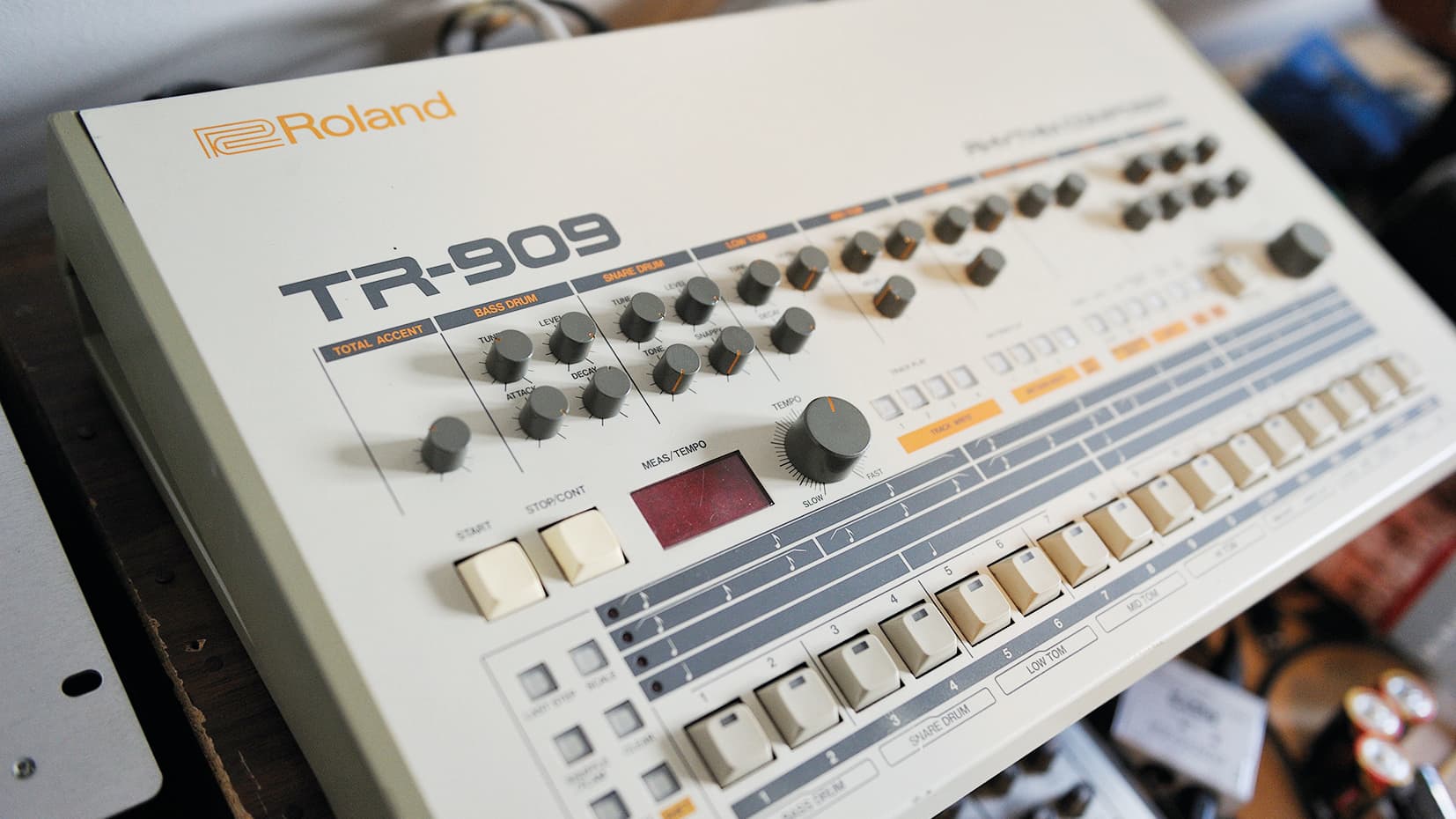
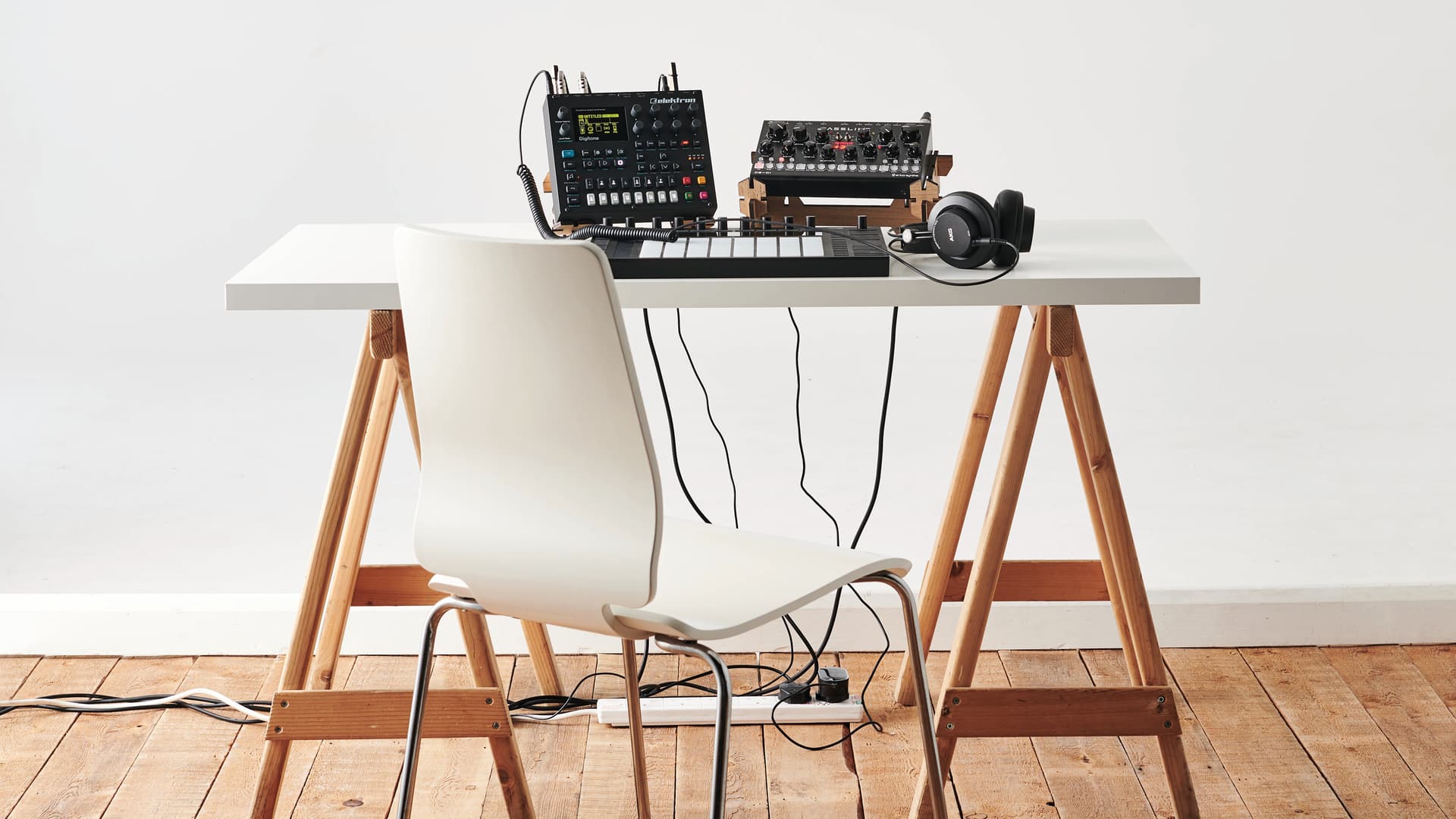
Minimal techno often works with roughly 4 to 6 core elements, often somewhere around 125 to 132 BPM. Treat that range as a working heuristic, not a law. The usual ingredients are familiar on paper, kick, hats, clap or snare, a bass motif, and one or two evolving details, but the craft is in how little is added and how long the track can keep moving without sounding crowded.
What matters is negative space. If a record feels spare but still tense, you are probably hearing the genre’s real engine. A clean low end and a disciplined midrange let each small change register, so one extra percussion hit can feel bigger than a whole new melody in a more maximal track.
Listen for micro-variation, not big drops
Minimal techno usually moves in inches. A hi-hat opens slightly, a rimshot lands a touch late, a filter starts to breathe over 16 bars, or a new percussion layer slips in after a DJ-friendly 32-bar phrase. Those changes can be so small that you almost miss them the first time, but once you start tracking them, the groove becomes the story.
This is where swing versus straight 16ths becomes useful ear training. Straight programming can feel clinical and exact, while a bit of swing or off-grid percussion gives the loop a human push-pull without breaking its frame. The best minimal cuts keep that balance intact, with groove quantization doing just enough work to hold the floor together and just little enough to keep the track alive.
Use the history as an ear map
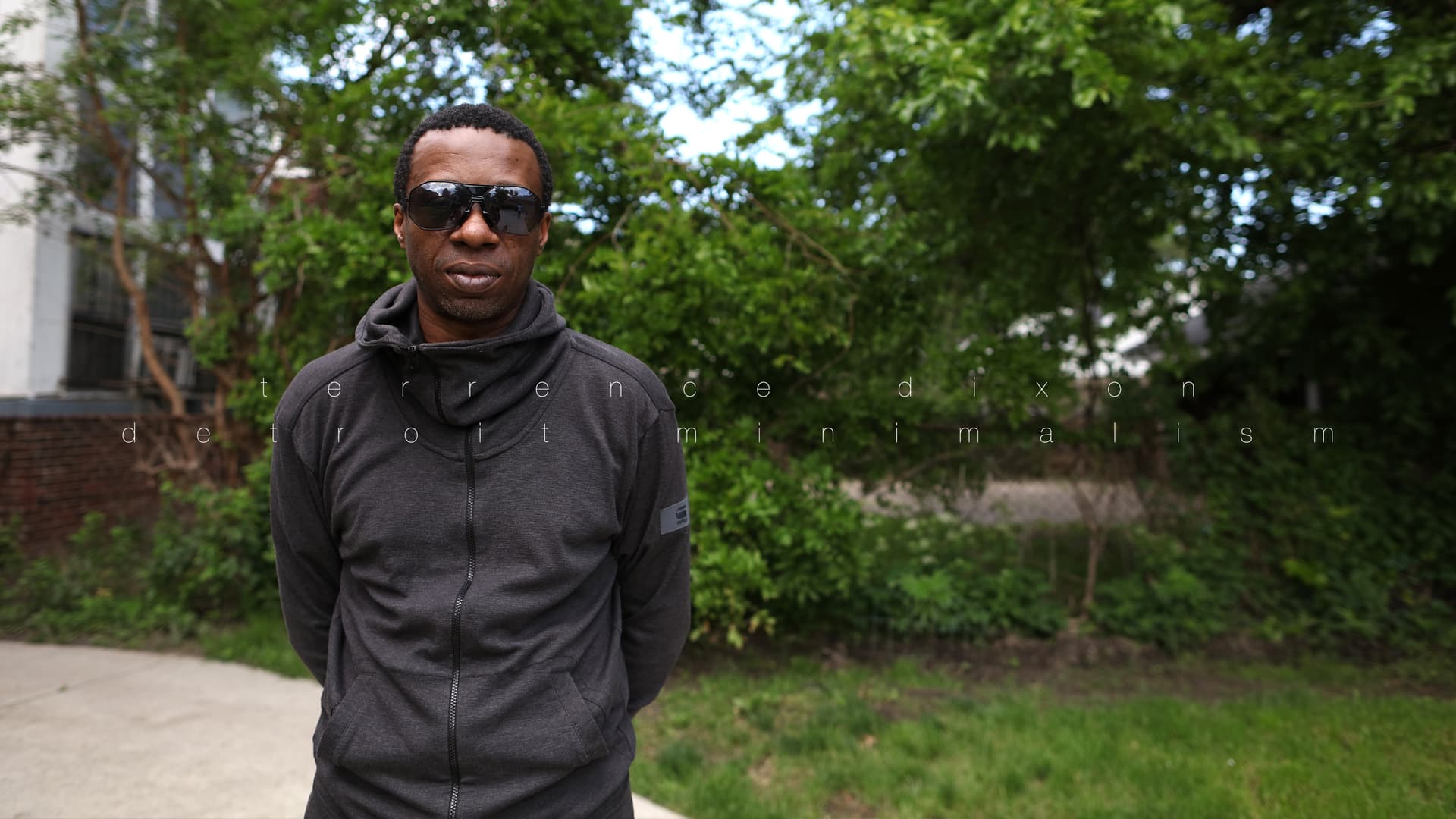
The sound’s blueprint starts in Detroit, where Robert Hood’s *Minimal Nation* arrived on 1 January 1994, distilling techno’s futuristic intent into a stripped-back, raw, percussive record that became a defining work of minimal techno.
The exchange between Detroit and Berlin matters just as much. A scholarly thesis on Berlin techno called it an early-1990s “Berlin-Detroit alliance,” a phrase that captures how intensely austere, industrial Detroit techno landed in Berlin. From 1998 to 2008, Berlin minimal techno became the stripped-down subgenre that defined the German capital, which is the period when the city’s version of the sound became its own unmistakable language.
Know the scene branches
Once you can hear the basic grammar, the branches make more sense. Richie Hawtin and the Minus ecosystem pushed reduction toward precision, while Basic Channel showed how dub-informed spaciousness could make a track feel huge without adding much at all. Perlon, out of Frankfurt, carried another version of that same discipline, where patient groove and small shifts mattered more than obvious peaks.
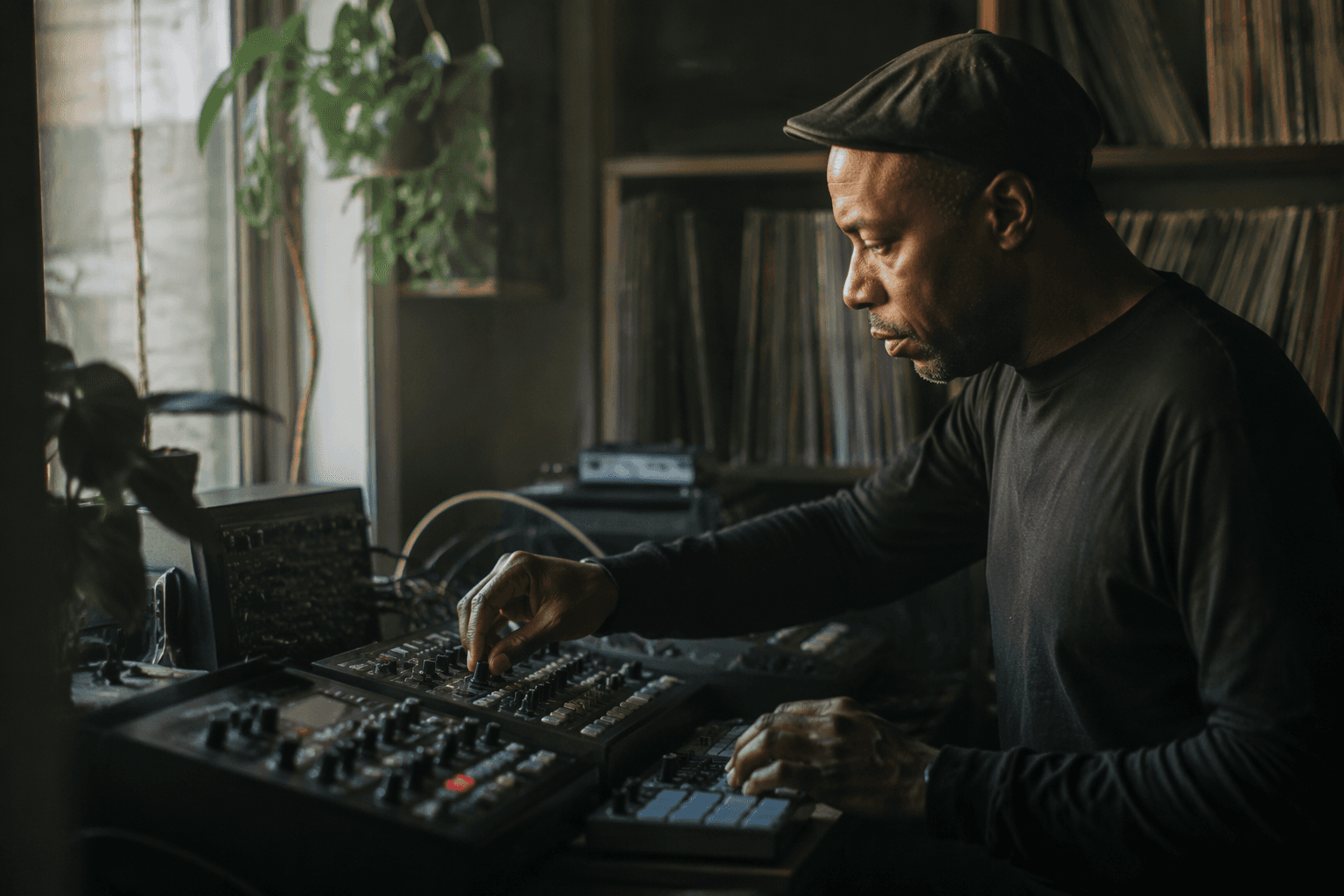
The Romanian branch shows how minimal techno can mutate without losing its identity. In 2019, ADSR Collective used “ro-minimal” for the unique blend of minimal techno and microhouse developed inside a tight-knit Romanian community through the 1990s and 2000s, with Rhadoo, Ispirescu, and Raresh among the names tied to its early shape. Bucharest became the key reference point for that current, and the music’s feel is often more about long, elastic continuity than dramatic arrangement turns.
What to check in real time
When you are unsure whether a track is minimal techno, listen for these cues:
- The groove stays anchored by a tight kick while other parts orbit it instead of competing with it.
- The arrangement reveals itself through one small event at a time, not through a big chorus-like payoff.
- Texture matters as much as rhythm, especially when a filter, delay tail, or percussion tone changes the emotional weight of the loop.
- The track feels built for long-form DJ mixing, which means its power often comes from how smoothly it can sit beside another record.
- If the mix stays clean at club level and the low end is controlled, the producer is likely making room for the smallest details to speak.
Why the genre keeps coming back
By 2020, Beatportal was calling it “The New Rise of Minimal.” The style had moved beyond its much-maligned Bar25 era and into a new cycle of attention.
This article was produced by Prism’s automated news system from verified source data, official records, and press releases, then run through automated quality and moderation checks before publishing. The system is built and supervised by the people who set the standards it runs under. Read our full AI policy.
Did this article answer your question?