Aril Brikha’s Groove La Chord shows the art of minimal techno tension
Aril Brikha’s “Groove La Chord” still works because one groove, one chord cell, and severe arrangement restraint make the tension feel exact, not dated.
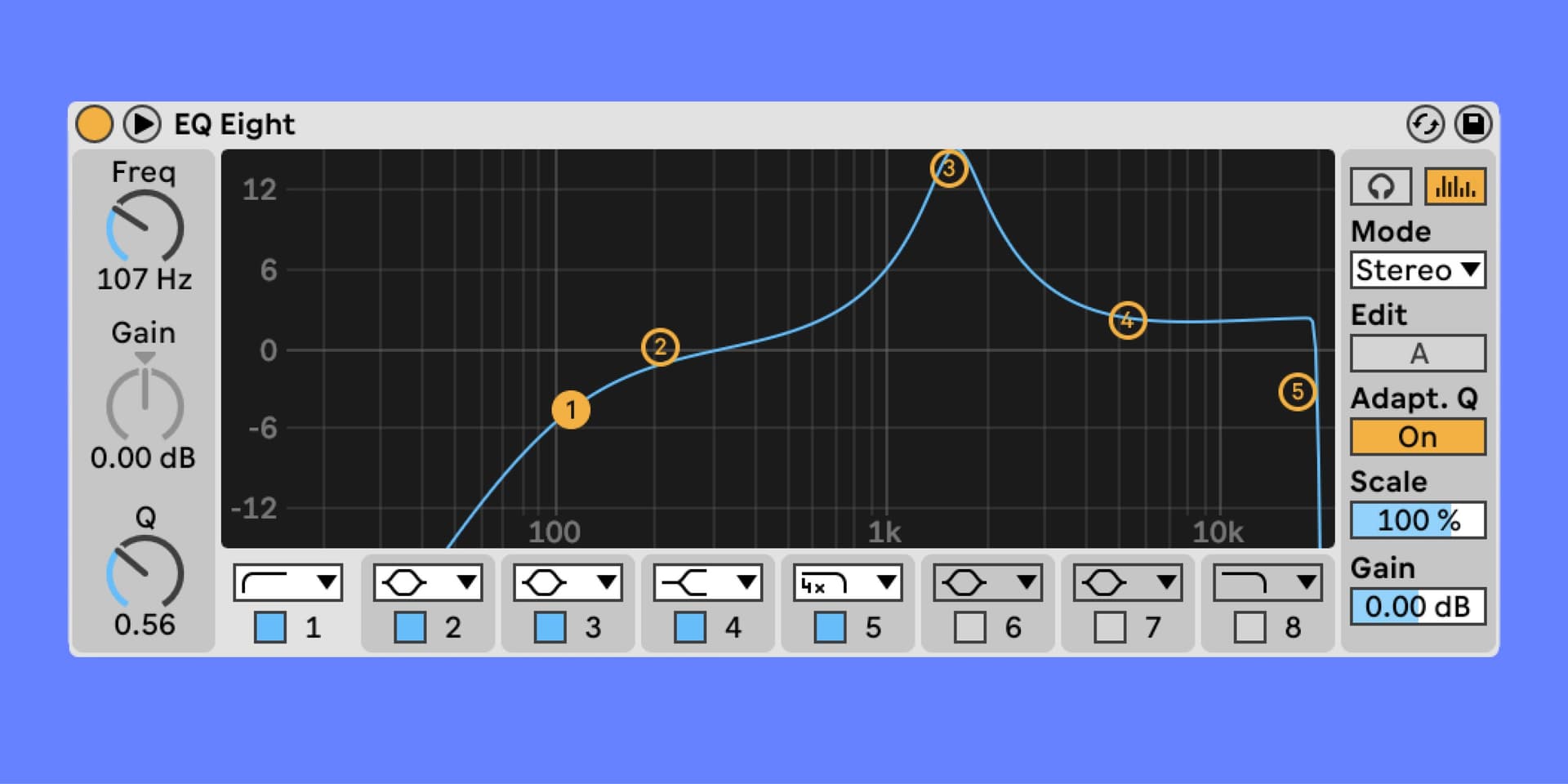
Ableton remade Aril Brikha’s “Groove La Chord” using Live and Note, returning to a track that still solves a central minimal techno problem: how to make a record feel charged when very little is happening. That remake only sharpens the point, because the record reads less like a museum piece and more like a working lesson in groove, tone, and discipline.
Why “Groove La Chord” still feels like a lesson
The title tells you almost everything you need to know about the record’s logic. It is built around a groove and a chord, not a parade of parts, and that is exactly why it still lands for producers and serious listeners. Minimal techno often depends on one or two ideas carried with enough precision that they never collapse into repetition, and Brikha’s track stays alive by letting the rhythmic push and the harmonic cell lean on each other.
On Transmat’s artist page, “Groove La Chord” “crossed generic boundaries” and left people asking, “Is it techno? Is it house? Is it deep house?” That ambiguity is useful, because it explains why the record has outlasted stricter scene labels. It is rooted in techno discipline, but it carries enough warmth and harmonic lift to move beyond a single lane.
The release context
“Groove La Chord” appeared in May 1998 on the Art Of Vengeance EP, issued as a 12-inch through Fragile Records and Transmat, with the catalog number FRG-17. That detail helps pin the record to the era when club tracks could still travel on vinyl first and build their reputation in DJ hands.
Brikha said he originally put “Groove La Chord” on a demo as a potential B-side, which makes its later status feel almost accidental. On Transmat’s artist page, no one was more surprised by the record’s success than Brikha himself.
The sound is shaped by hardware, not just attitude
In a 2016 Electronic Beats TV video, Brikha said he used the Ensoniq ESQ-M to shape “Groove La Chord” and much of Departure In Time on Derrick May’s Transmat label. That matters because the record’s tension is not just conceptual, it is timbral. The ESQ-M’s character helps explain why the chord has enough grain and presence to hold the track together without flooding the arrangement.
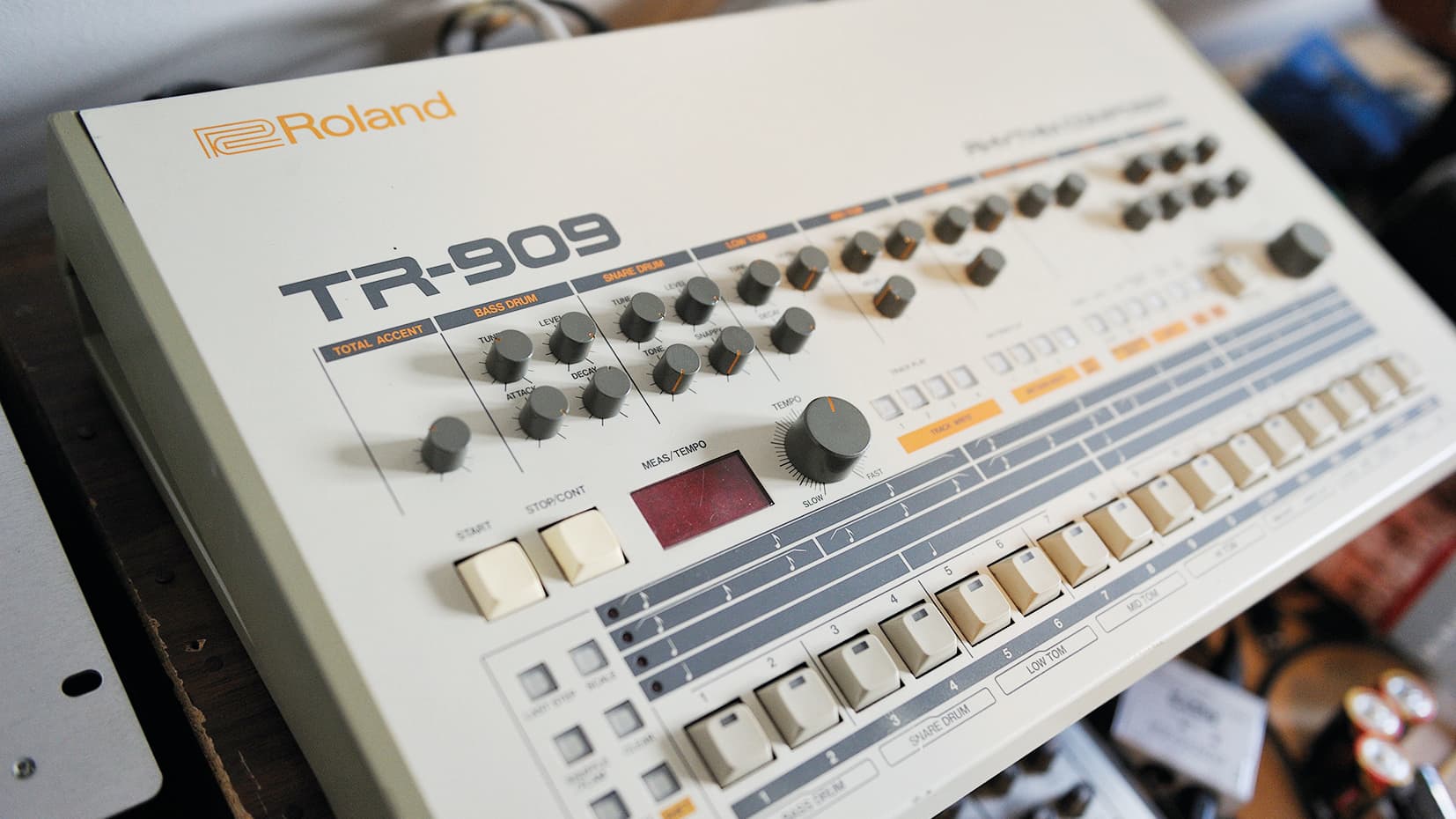
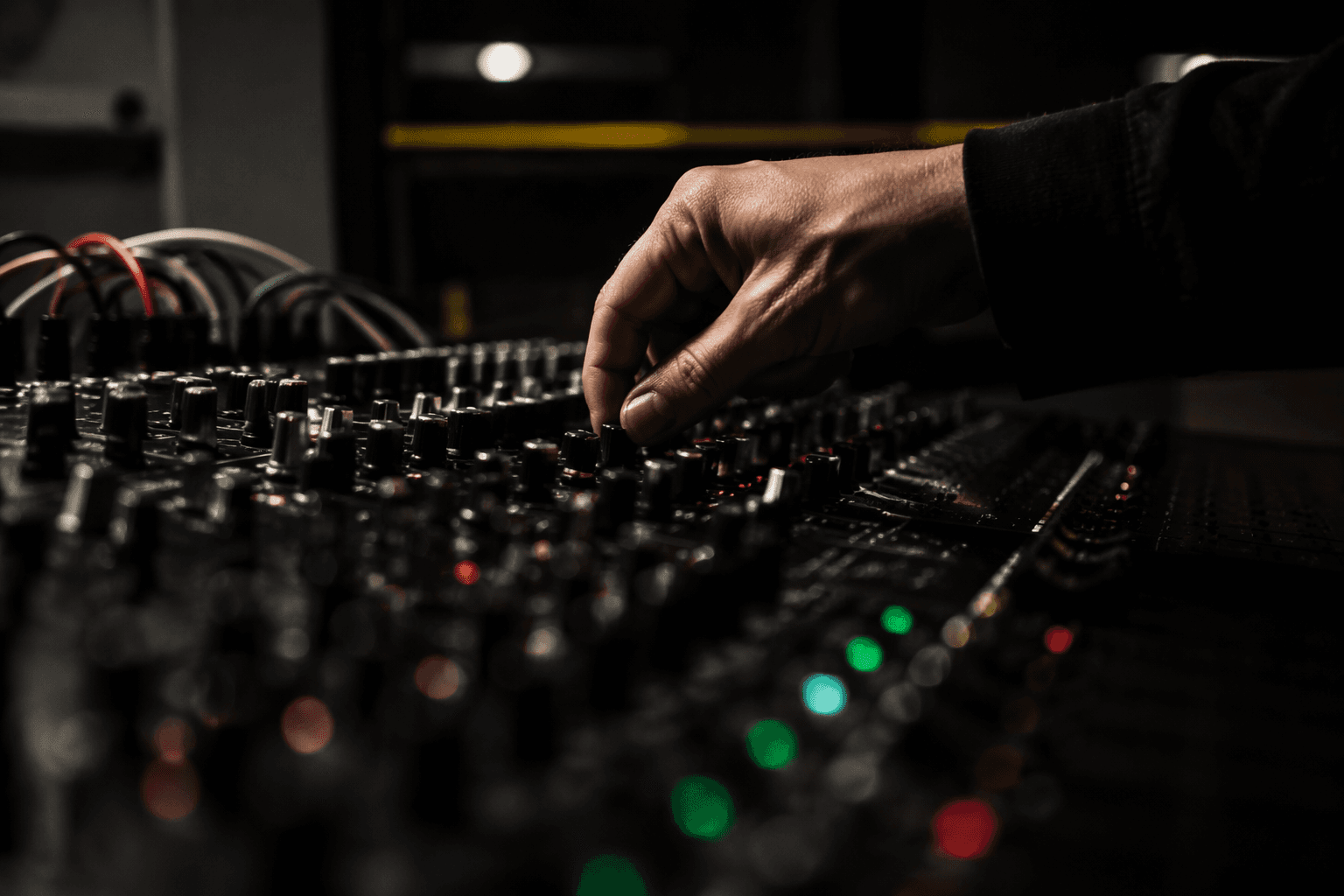
The remake centers on EQing, recording, wavetable, 808, and synths. That list is useful because it maps the record’s main decisions without pretending the track is complicated. The low end has to be balanced so the groove stays firm, the chord voicing has to cut through a sparse field, and any 808-style foundation needs to stay tight enough that the harmonic material can breathe around it.
For producers, that is the real study: the track does not rely on pile-on energy. It relies on a careful relationship between kick, bass, and chord timbre, then keeps the arrangement disciplined enough that each change registers.
What the track borrowed from Detroit, and what it gave back
Brikha’s story is tied to both Stockholm and Detroit, and that link helps explain why the record carried weight beyond a local scene. The track moved through Transmat, Fragile, and Stockholm on its way into wider circulation. It came from a Swedish producer, but it was validated through the Detroit axis that still defined taste for a huge part of techno culture.
Two years after Brikha recorded “Groove La Chord,” he heard it in a club for the first time when Derrick May played it in Chicago.
François K and Stacey Pullen also played the record, moving it quickly through serious sets.
How current tracks still borrow from it
The most obvious inheritance is restraint. A lot of current minimal techno still builds around one chord figure, one rhythmic pocket, and a narrow palette that changes by small increments instead of dramatic drops. “Groove La Chord” shows why that works: the track creates motion by adjusting pressure, not by adding clutter.
Listen for three things in records that owe it something:
- A groove that stays locked while the chord does the expressive work
- A low end that is clean enough to keep the harmony from smearing the mix
- Arrangement changes that feel earned because the track has been held back, not because it is trying to surprise you
Live and Note can be used to recreate the mechanics, but modern tools do not remove the need for restraint. They just make it easier to overplay the idea if the foundation is weak.
In Kana Broadcasting’s 2012 interview, it had already been about 14 years since the release of “Groove La Chord.” By that point, “Groove La Chord” was no longer only a club record from 1998. It had become a reference point for how minimal techno can stay melodic, physical, and unresolved at the same time.
This article was produced by Prism’s automated news system from verified source data, official records, and press releases, then run through automated quality and moderation checks before publishing. The system is built and supervised by the people who set the standards it runs under. Read our full AI policy.
Did this article answer your question?