Attack Magazine shows how to shape lean minimal techno with Soundtoys
A 5% plate halo on the kick and a stacked bass chain turn tiny Soundtoys moves into a lean, hard-hitting techno groove.
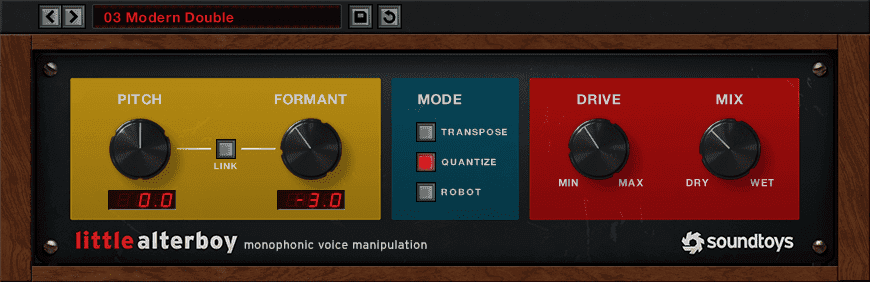
A kick with Little Plate decay pinned to 0.5 seconds is the first move into Robert Hood, Truncate and James Ruskin territory. Keep the arrangement stripped back, then let a few exact Soundtoys settings do the work.
Build the kick like a machine with a little air around it
The kick chain is the easiest place to steal the lesson because it is so restrained. Little Plate is used first, with the decay pinned to 0.5 seconds, the low cut set to 140Hz and the wet mix held at just 5 percent, so the reverb acts like a faint halo instead of a wash. Little Plate is an EMT 140-inspired plate, with a low cut filter and modulation options designed to keep reverb musical rather than mushy.
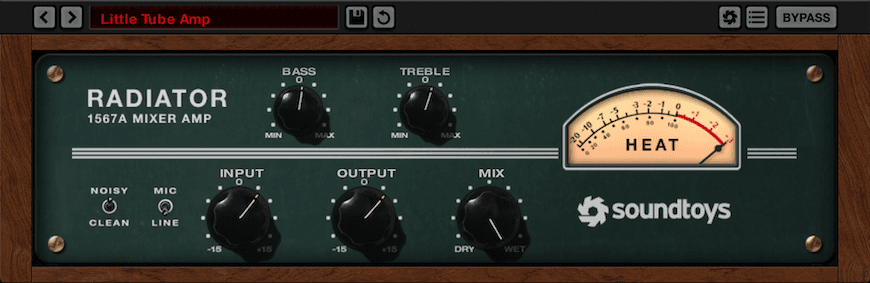
Radiator comes next and does the heavier lifting without making a show of it. Use the MIC mode for its more pronounced frequency response, flip the noisy-clean switch to CLEAN, leave the treble alone, add a touch of space with the bass knob, push the output by 3dB and then pull the overall mix back to roughly 50 percent. Radiator is based on the Altec 1567A tube mixer, with bass and treble controls, mix control and the kind of saturation that adds weight without forcing the kick to sound bigger than it is.
Make the bass speak in clicks, not chords
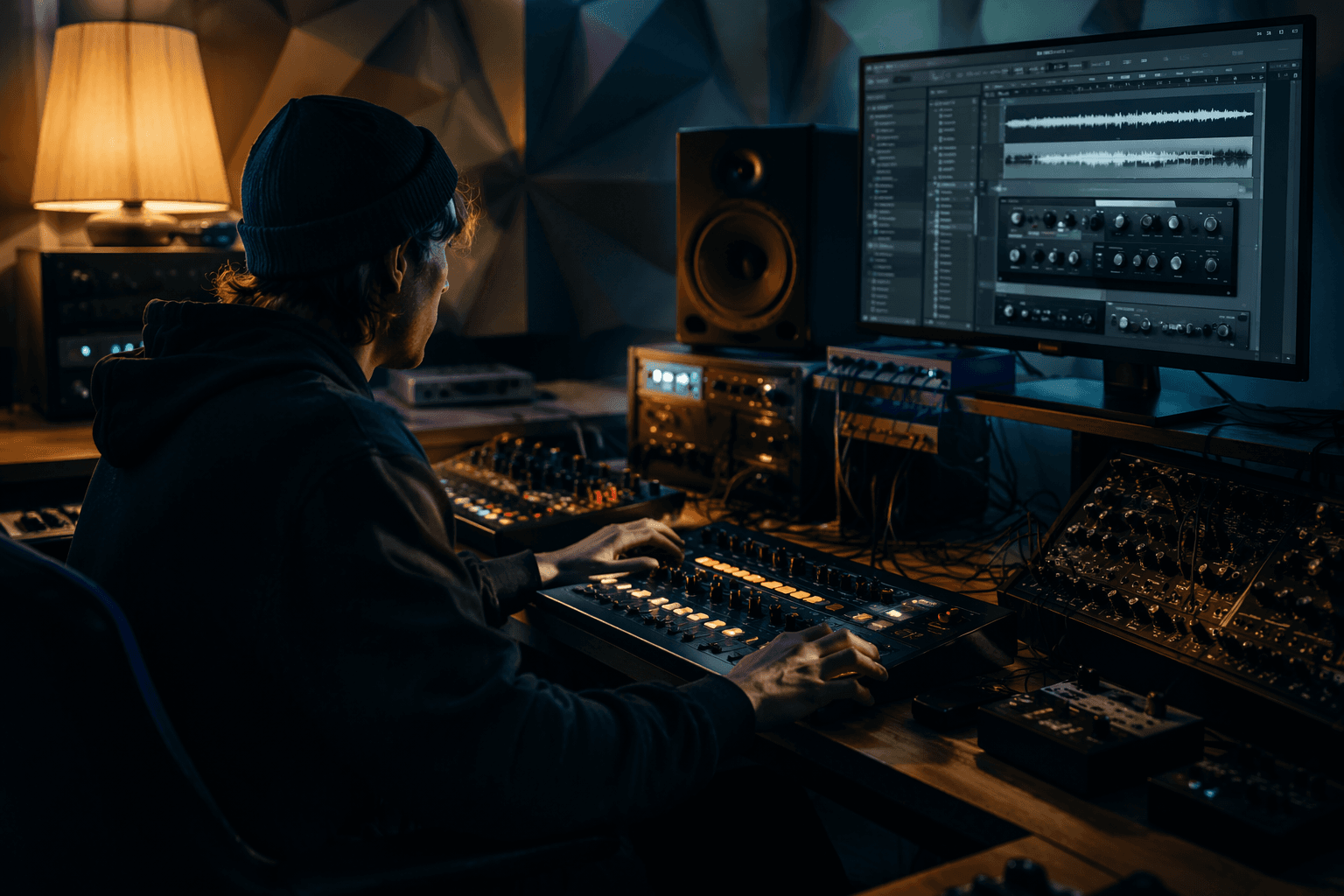
Decapitator is set to the P style, the drive sits at 5, and the goal is explicitly to generate odd harmonics that bring a colder edge into the high end. Decapitator gives you five analog saturation models and a wet-dry mix control, so you can lean into the character while keeping the line anchored in the low end.
Sie-Q then opens the part up with a very specific EQ move, not a broad smear. Push the high shelf by 15dB, lift the midrange by 4dB around 3.5kHz and trim the low shelf by 3dB, which lets the clicks of the 16th-note sequence read clearly without crowding the kick. Sie-Q is based on the Siemens w295b and is designed as a gentle, musical EQ with drive available when you need it. It adds presence, keeps the part lean, and does not turn the bass into a second lead line.
Radiator closes the bass chain with another move. Use the noisy MIC setting and add another 3dB on the treble control, which sharpens the part just enough to keep it audible against the drums.
Steal the workflow, not just the presets
Start with a dry kick and ask what tiny amount of space it can tolerate, then shape the tone with a tube-style stage that adds density without obvious distortion. After that, take the bass and force it to earn its place in the upper mids, because in this style the groove often lives in the transient click and the harmonic outline, not in a giant synth patch.
Careful monitoring matters here. The changes are subtle enough that you need good headphones or monitor speakers to hear what the low cut, wet mix, drive and treble boosts are actually doing.
This article was produced by Prism’s automated news system from verified source data, official records, and press releases, then run through automated quality and moderation checks before publishing. The system is built and supervised by the people who set the standards it runs under. Read our full AI policy.
Did this article answer your question?