Berlin’s minimal techno boom defined a decade of club culture
Berlin’s minimal techno only clicks when you hear the clubs behind it: Tresor, Ostgut, Berghain, and all-night crowds turned sparse records into a city code.

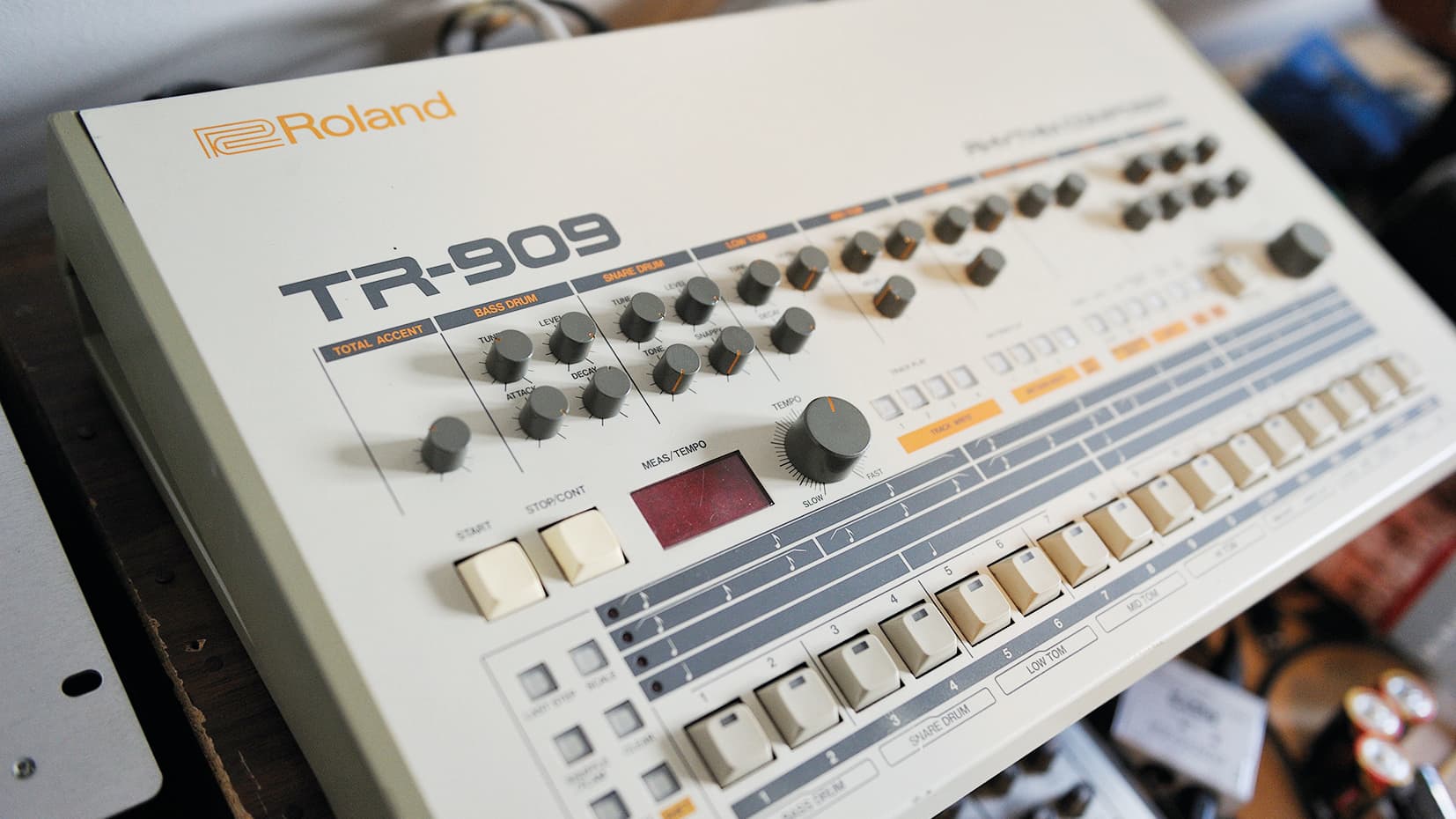
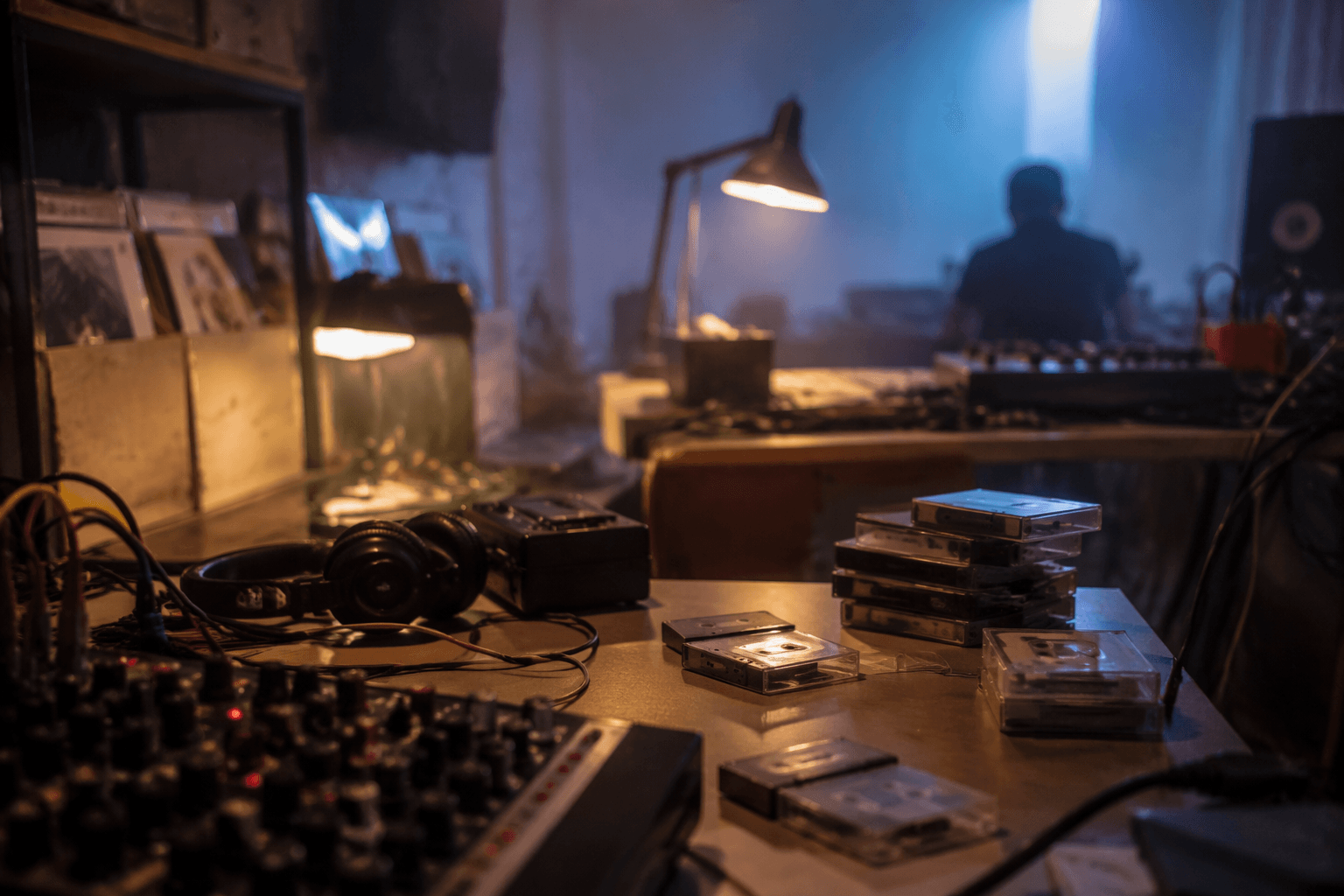
Berlin’s minimal techno boom only makes full sense when the records are heard beside the city that gave them room to breathe. The stripped-down sound grew inside marathon nights, selective booking, and venues that treated the dancefloor as part of the composition. That is why the style defined Berlin from 1998 to 2008, and why it often falls flat when detached from the club infrastructure that made it function.
The city before the sound
Berlin’s post-reunification rave boom came out of literal underground spaces in post-GDR Berlin after the fall of the Wall. Abandoned buildings, squats, and former industrial spaces were converted into nightlife venues, so the city did not just inherit a scene, it built one into the gaps left by history. By 1998, the rave culture that had surged after reunification had reached its apex, and a later academic summary put the broader German techno and rave scene at 1.5 million participants in 1999.
That scale matters because minimal techno was never born in a vacuum. It emerged in a city where crowds were already trained to stay late, listen closely, and follow gradual changes over long stretches of time. When Red Bull Music Academy Daily framed Berlin minimal techno as “a look back at the stripped-down subgenre that defined the German capital from 1998-2008,” it was pointing to a decade in which the city’s nightlife stopped being a fringe experiment and became a full club ecosystem.
The clubs that made the groove legible
Tresor opened in 1991 in a former vault, a strong room on the former border strip between East and West Berlin, and it became one of the foundational rooms for the city’s techno identity. That location was not incidental. The club sat inside a post-Wall geography that turned disused space into nightlife capital, and it helped set the template for how Berlin would use architecture as part of its sound.
Ostgut opened in 1998, Berghain arrived in 2004, and Panorama Bar became part of the Berghain complex. Those venues are central to this story because they reinforced a very Berlin idea of clubbing: the night is the format, and the room is part of the track. Minimal techno fit that environment because its tension depends on long-form DJ curation, subtle progression, and patience from the crowd, not on immediate payoff.
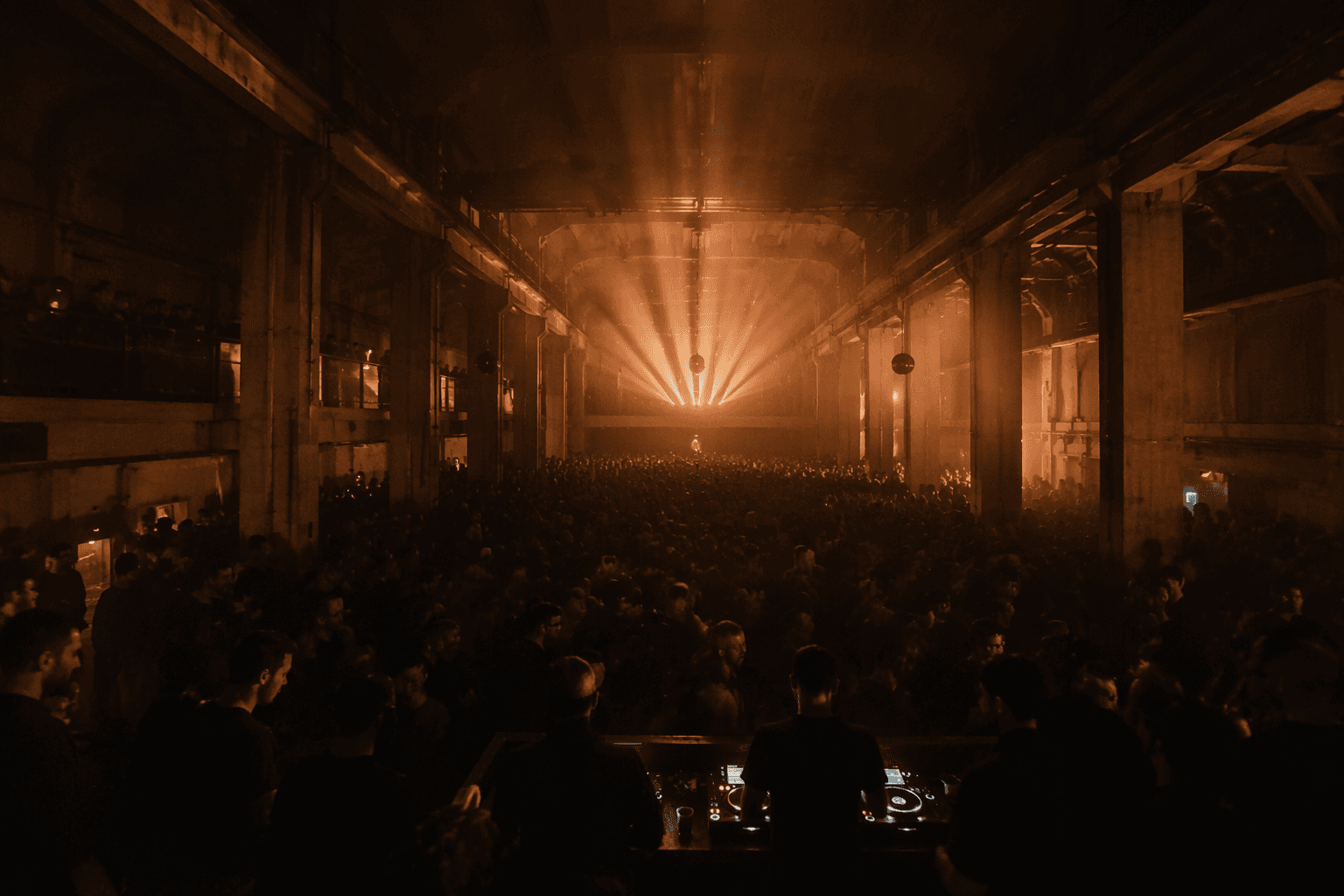
Berlin’s all-night culture also had a deeper civic backstory. A 2022 NPR feature traced the city’s late-night permissiveness to a 1949 meeting with a hotelier that helped negotiate an end to the postwar curfew. That kind of history helps explain why Berlin later became so hospitable to overnight clubbing, and why techno tourism became part of the city’s identity instead of a passing scene.
What minimal techno sounded like in Berlin
Berlin minimal techno did not win by being loud or flashy. It won by making repetition feel architectural, by using negative space as pressure, and by trusting a room to follow microscopic shifts across a long set. The city’s best rooms rewarded compact, hard-edged design, sparse layers, and patient detail-driven groove, which is exactly why the style could feel so precise on a Berlin floor and so fragile elsewhere.
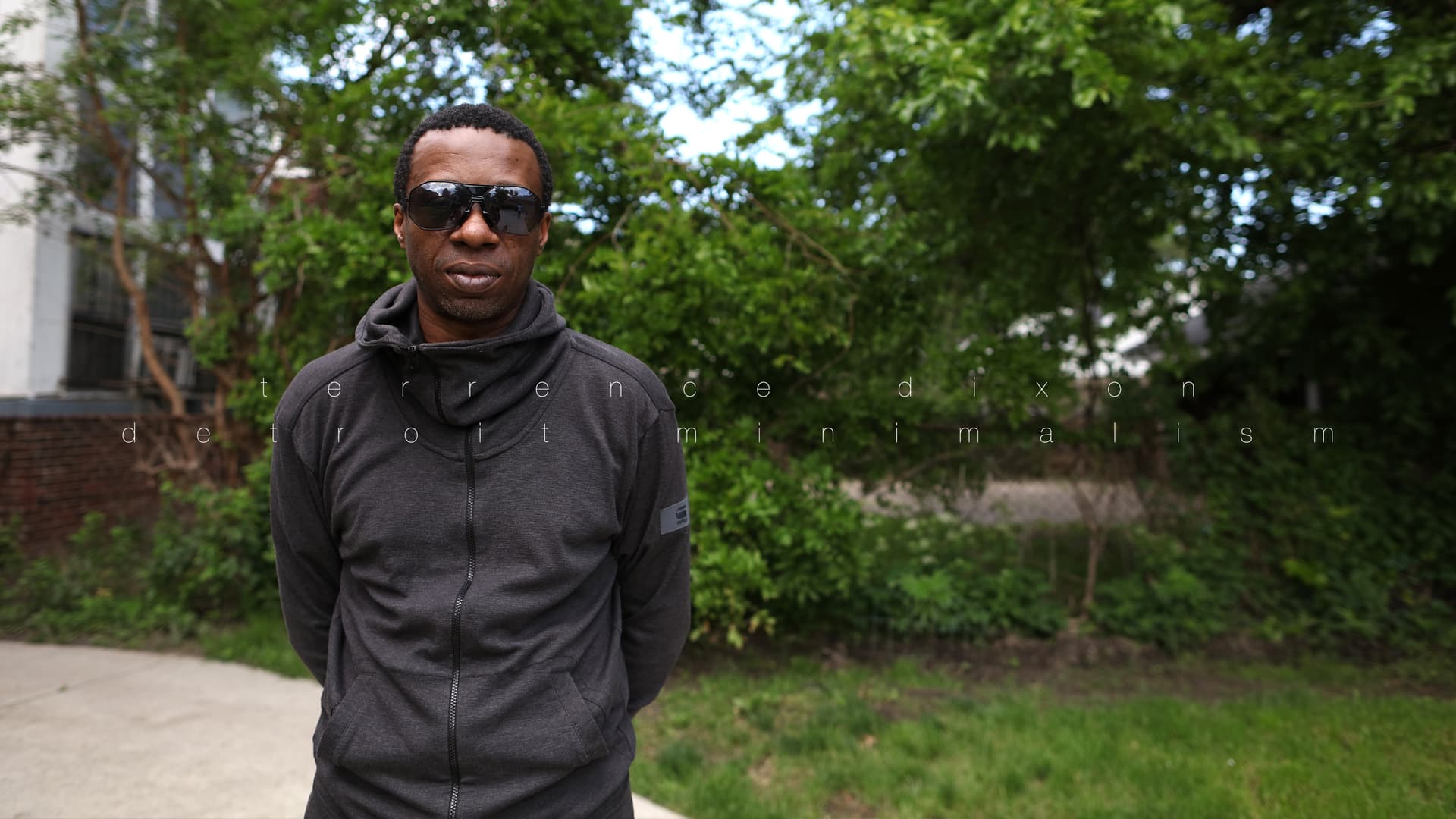
That precision was carried by a network of figures who shaped the era from different angles. The scene’s documentation runs through names such as Joshua Glazer, Jürgen Laarmann, Dimitri Hegemann, Richie Hawtin, Jeff Mills, Monika Kruse, Stuart Braun, Luis-Manuel Garcia, Tobias Rapp, and Rainald Goetz. Their presence matters because Berlin minimal techno was never just a pile of releases, it was a language spoken by club builders, DJs, writers, and dancers who understood that the room changed the meaning of the record.
The sound also sat inside a wider post-reunification mood. Germany’s rave boom had already reached a huge scale by the late 1990s, and Berlin’s clubs gave that energy a local grammar. In practice, that meant long nights, tightly managed lineups, and crowds that expected a set to unfold slowly rather than sprint toward a chorus.
Why the music traveled poorly without Berlin
Berlin’s minimal techno did travel, but it rarely traveled intact. Once the music left a city built for extended sets and immersive rooms, the same records could feel skeletal instead of deliberate. Detached from Tresor, Ostgut, Berghain, Panorama Bar, and the expectations of the Berlin floor, minimal techno lost the infrastructure that made its restraint feel powerful.
That is also why the style became such a clear marker of belonging inside the scene. You needed the right room, the right patience, and the right sense of timing for the music to open up. Outside that system, the music could sound like subtraction; inside it, the subtraction was the point.
From underground culture to public recognition
By 2024, Berlin’s techno scene had become significant enough to be recognized by Germany’s UNESCO commission. That recognition did not appear out of nowhere. It sits on top of the decade when the German capital’s club culture matured from post-Wall reuse and after-hours experimentation into a defining civic atmosphere.
The opening hook still holds: these records only fully make sense when paired with the city’s dancefloor infrastructure. Berlin gave minimal techno its rooms, its nights, and its crowd expectations, and that is why the music reads as a scene in motion rather than a style on a shelf.
This article was produced by Prism’s automated news system from verified source data, official records, and press releases, then run through automated quality and moderation checks before publishing. The system is built and supervised by the people who set the standards it runs under. Read our full AI policy.
Did this article answer your question?