Minimal techno’s roots, key artists, and essential first listens
Minimal techno opens up when you listen for micro-shifts, not big drops. Robert Hood's Minimal Nation is the doorway; the real lesson is space, repetition, and groove.
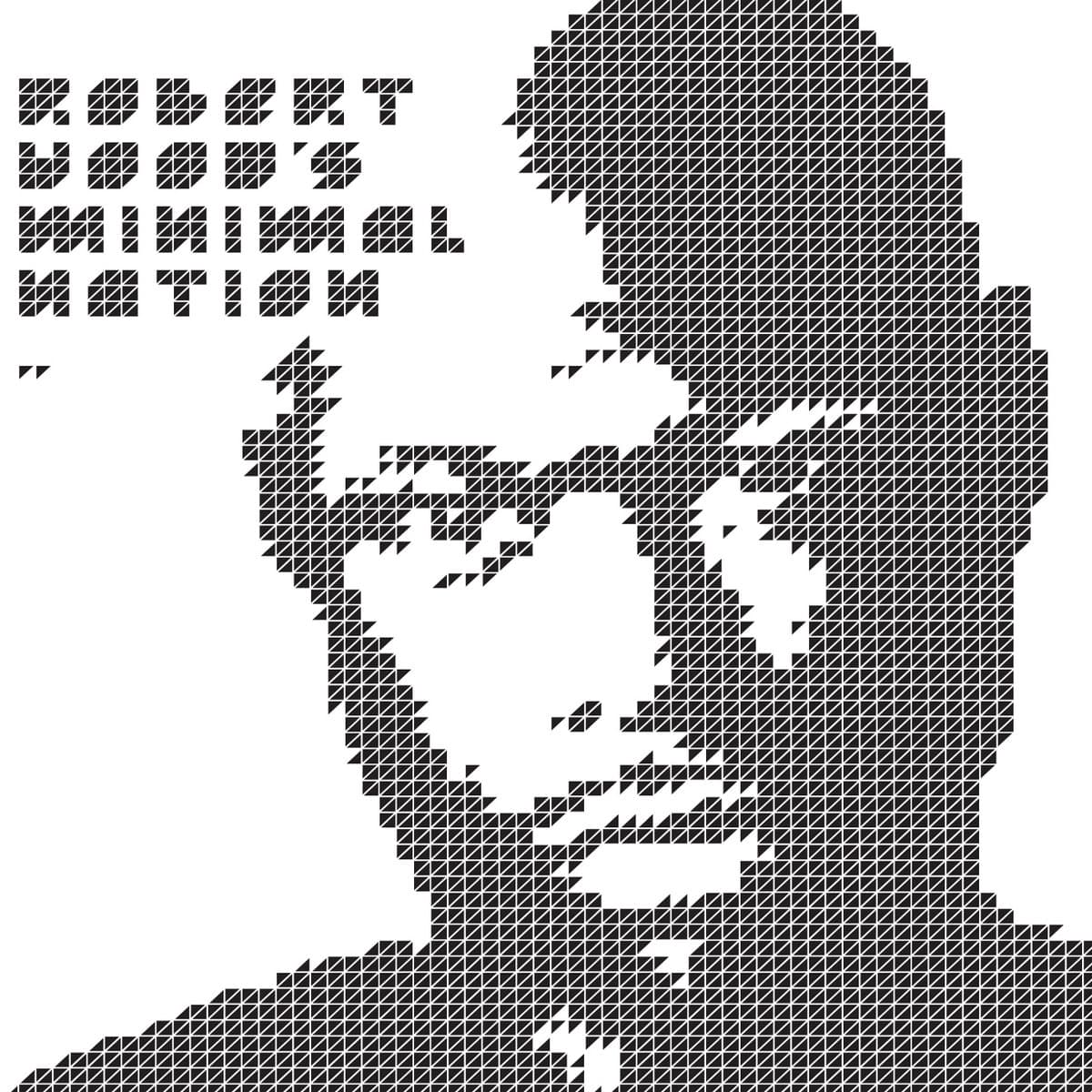
Robert Hood’s Minimal Nation, released on M-Plant in 1994, is the clearest doorway into minimal techno — “Ground zero for minimal techno” in RA’s phrase. From there, the genre’s map runs from Detroit to Berlin and on to Bucharest, with the music evolving by subtraction, pressure, and tiny adjustments rather than spectacle.
What minimal techno is actually asking you to hear
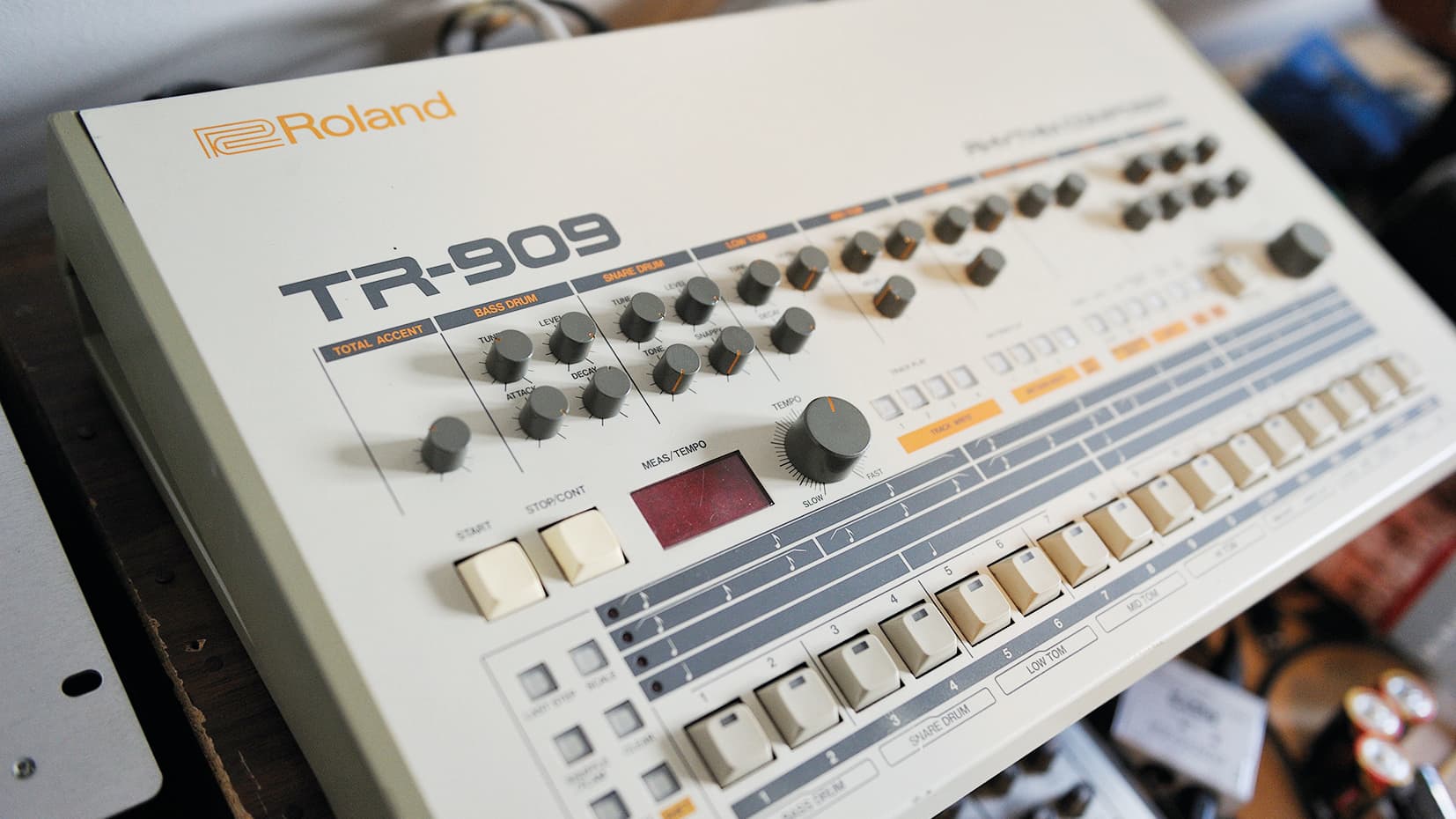
The trap with minimal techno is thinking “minimal” means merely fewer sounds. In practice, the style is about how the few sounds are arranged: reduced drum programming, subtle filter movement, dry percussion, low-end discipline, and long-form structures that keep changing without announcing it. The excitement lives in repetition and micro-variation, in how a hi-hat shifts against the kick, how a filter opens by a fraction, or how a loop tightens until the room feels the change before your ear names it.
SIX AM maps minimal techno as a lineage of records, labels, and cities rather than a single definition. The scene has always been more fluent than fixed. The genre moved from Detroit roots to Berlin and then into something else entirely.
Detroit gives the language its first grammar
If you want the root system, start with Robert Hood. Hood pioneered the minimal techno sound, and the record does not just sit inside the genre, it helps define the genre’s working method. Hood was also a founding member of Underground Resistance alongside “Mad” Mike Banks and Jeff Mills, so the stripped-down precision did not emerge in isolation, but from one of Detroit techno’s most vital collectives.
Hood’s catalogue gives you a practical route through that history. Red Bull Music Academy traces releases on Metroplex and Jeff Mills’ Axis label, plus the Hardwax label and Hood’s own M-Plant operation, which means the minimal approach is visible not only in the music but in the infrastructure around it.
Berlin sharpened the edges, then the sound mutated
Berlin pushed minimal techno toward another kind of austerity. Beatportal’s “drugged-out Berlin peak” captures how the music moved from Detroit’s machine funk into a more spacious, more hypnotic club language. Basic Channel and the broader Berlin network are always part of the conversation because the dub-techno influence turned space into an active ingredient.
Richie Hawtin belongs in this same core group because he helped define the stripped, futuristic end of the spectrum. The genre’s history is not just one of individual artists, but of labels like Plus 8 and Minus, where the idea of reduction became a design principle rather than a limitation.
The later mutations are part of the story, not a footnote
Minimal techno did not stop evolving once Berlin had set its tone. Romanian minimal and Bucharest are part of the story as a later regional mutation, because it shows the style working as a transnational language rather than a frozen era piece. Beatportal also places the sound’s further life in cities such as Rio, Paris, and Rome.
A track from Detroit, a Berlin-inflected production, and a Bucharest-linked minimal cut may all rely on repetition and restraint, but they do not feel identical once you know what to follow. The differences are in groove design, in the balance between percussion and bass, and in how much room each scene leaves around the pulse.
How to hear minimal techno without getting lost
Start with a simple three-pass approach:
1. Hear the kick and bass first.
On Robert Hood’s Minimal Nation, the low end is disciplined rather than bloated, and that discipline is the backbone of the style.
2. Follow the percussion and filtering.
The point is not a big melodic hook, but the way microscopic changes move the track forward. Listen for dry hits, tiny delays, and the exact moment a loop opens up.
3. Pay attention to time, not just events.
Minimal techno often unfolds over long-form structures, so the drama is cumulative. If you listen like the record has to “do” something every few seconds, you miss the point.
That method also gives you a better way into the catalog that grew around those artists and labels. Those labels show how the scene organized itself around a shared idea of restraint, not around one house sound or one regional template.
Essential first listens
If you want a compact route in, make Robert Hood’s Minimal Nation the first stop. It is the most direct proof that minimal techno was never just techno with less going on, but a different way of building tension from the smallest parts.
From there, move to Basic Channel’s Phylyps Trak and BCD-2 for the Berlin-minded side of the equation, then Plastikman’s Consumed, a “masterclass in dark, minimalist techno” in DJ Mag’s phrase.
This article was produced by Prism’s automated news system from verified source data, official records, and press releases, then run through automated quality and moderation checks before publishing. The system is built and supervised by the people who set the standards it runs under. Read our full AI policy.
Did this article answer your question?