Rails of Sheffield slashes Flying Scotsman and Mallard prices by 45%
Rails of Sheffield cut two LNER legends to £109.50 with DCC sound or £84.50 DCC-ready, a rare chance to buy Flying Scotsman and Mallard well below normal RRP.

Rails of Sheffield put two of the most recognisable steam locomotives in British modelling on the same shelf at once: Flying Scotsman and Mallard, both marked down by 45 percent. The June 19 sale gives buyers a clear choice between DCC sound-fitted versions at £109.50 and DCC-ready versions from £84.50, which is a serious price break for headline names that usually sit much higher on the want list.
This is not just a cheap pair of models. Flying Scotsman and Mallard are the sort of locomotives that can anchor an entire OO layout, whether the plan is a polished display cabinet, a prestige express passenger rake, or a working LNER scene. If you want one locomotive that instantly reads as “British steam,” these are the two. If you want one that can pull duty on the shelf and still earn its keep on the track, the DCC-ready and sound options make the offer more practical than a simple static collectible.
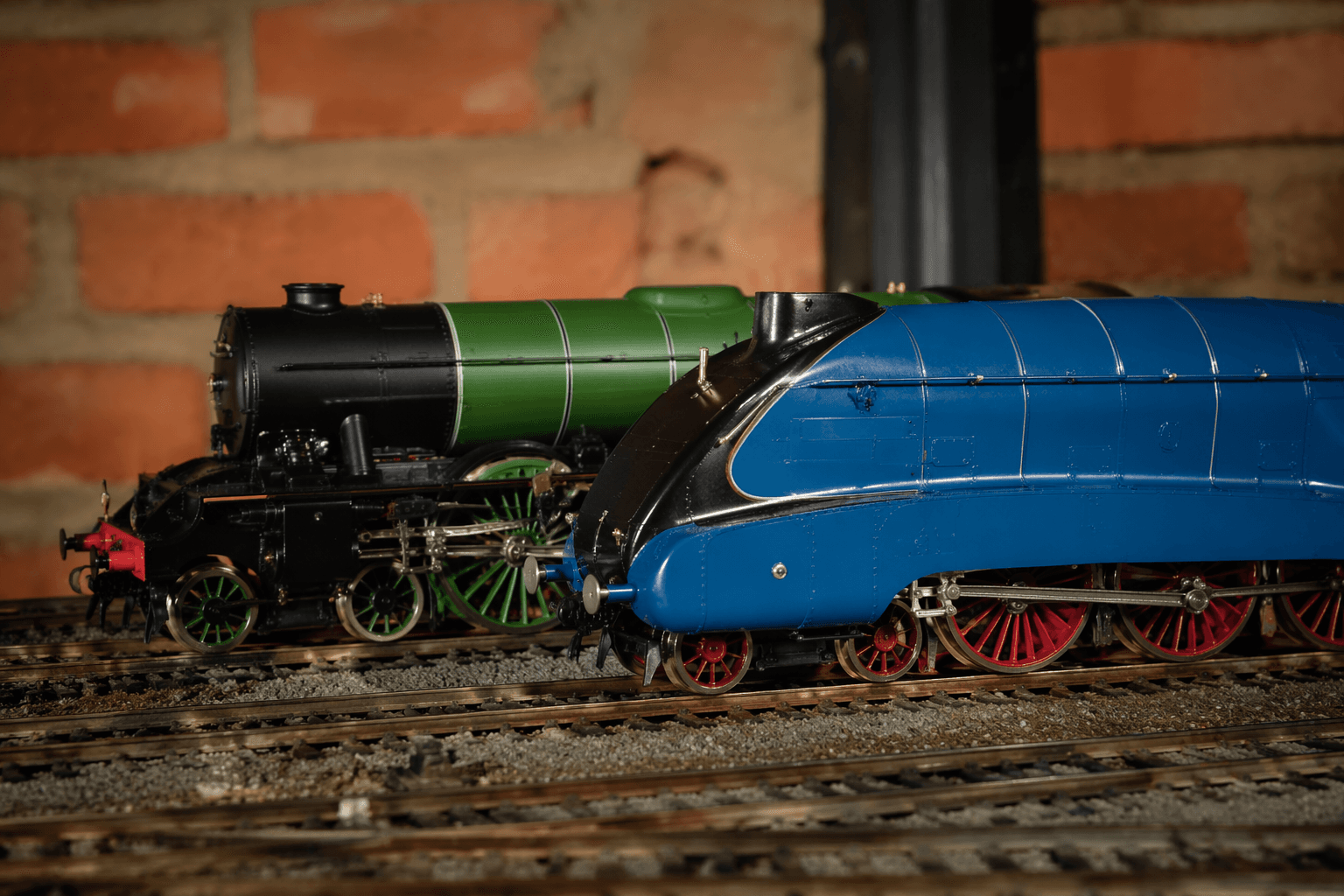
Flying Scotsman carries the deeper collector pull. Built at Doncaster Works in 1923, it entered service on 24 February 1923 as No. 1472, became No. 103 in 1947, and emerged as No. 60103 after nationalisation in 1948. The National Railway Museum credits it as the first locomotive officially to reach 100 mph, and Guinness World Records records its non-stop Australian run on 8 August 1989 as 679 km, or 422 miles, in 9 hours 25 minutes 15 seconds hauling 535 tonnes. Hornby’s own long relationship with the engine adds another layer of appeal: it produced an 0-gauge tinplate Flying Scotsman in 1927, launched a Flying Scotsman model in 1969, and has made almost 50 versions since then.
Mallard brings a different kind of gravity. Sir Nigel Gresley’s LNER A4 class machine was the 28th of the 35 A4s built, and on 3 July 1938 it hit 126 mph on Stoke Bank south of Grantham, a steam speed record that still stands. That is the sort of pedigree that makes a discounted Mallard feel less like a bargain-bin offer and more like an overdue chance to buy one of the great express locomotives of the age.
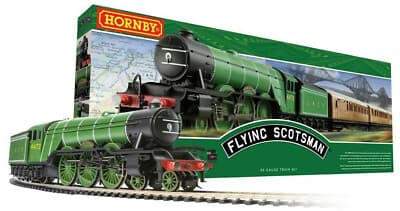
For a first-time OO collector, the DCC-ready price is the cleanest entry point. For a gift buyer, the sound-fitted version lands right in the sweet spot at £109.50. For an established LNER enthusiast, especially anyone with Hornby Scotsman models already on the roster, this is the sort of price cut that makes doubling up feel justified rather than indulgent. Rails of Sheffield has not discounted just any steam pair here. It has cut two of the most famous names in the hobby down to a level that is hard to ignore.
This article was produced by Prism’s automated news system from verified source data, official records, and press releases, then run through automated quality and moderation checks before publishing. The system is built and supervised by the people who set the standards it runs under. Read our full AI policy.
Did this article answer your question?