Three acrylic paint tips for cleaner, more consistent model finishes
Three small acrylic fixes can save a whole paint job: steadier mixes, revived colours, and paint that still works the next day.
Mix the paint the same way every time
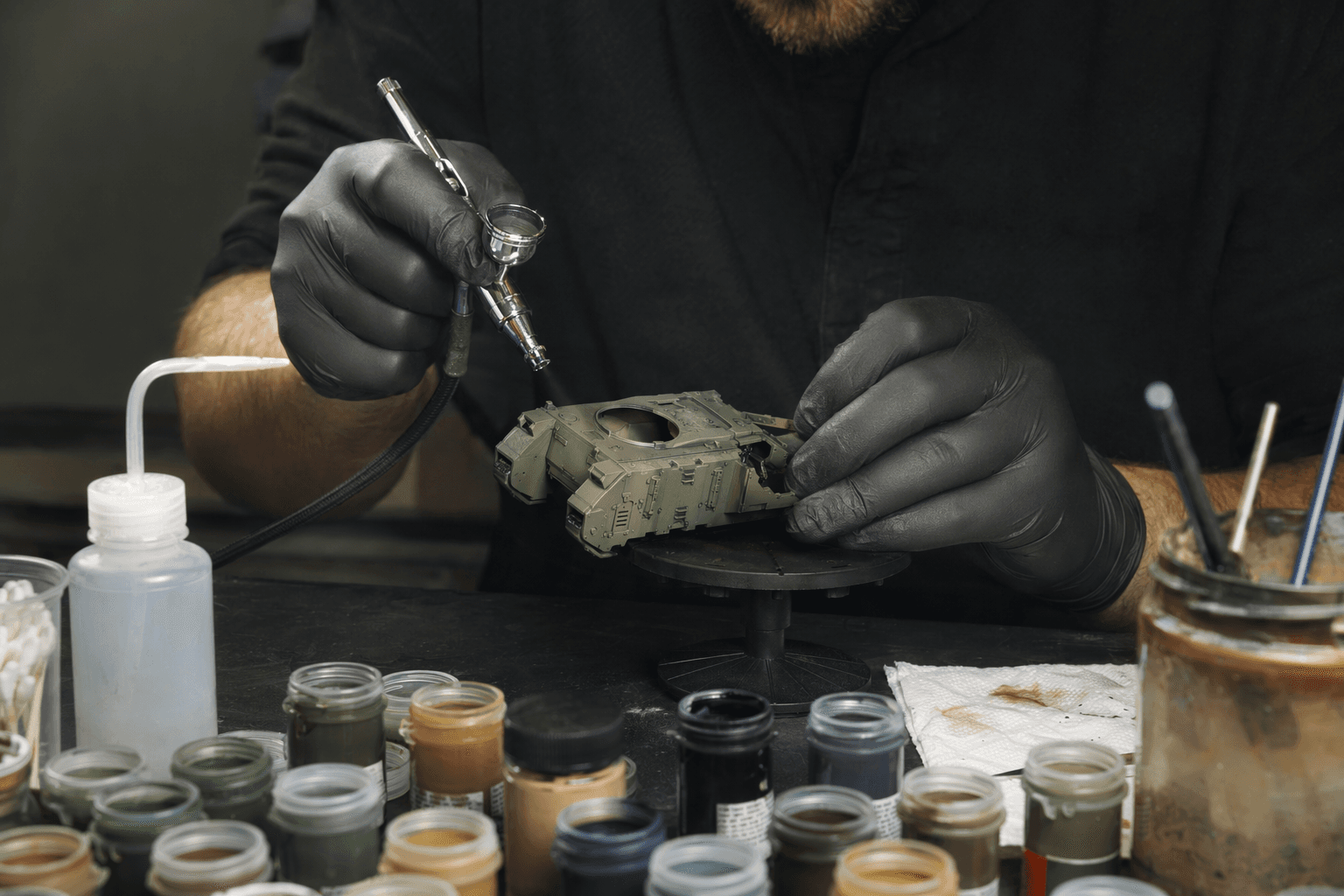
The first lesson here is the least glamorous and the most useful: stop treating every acrylic session like a fresh start. On a wagon side, a station wall, or a scenic detail piece, tiny changes in consistency show up fast, and they are usually what make a finish look patchy instead of deliberate. Steven Draper’s point is simple and practical. If you want cleaner coverage, make the mix repeatable so the paint behaves the same on this build as it did on the last one.
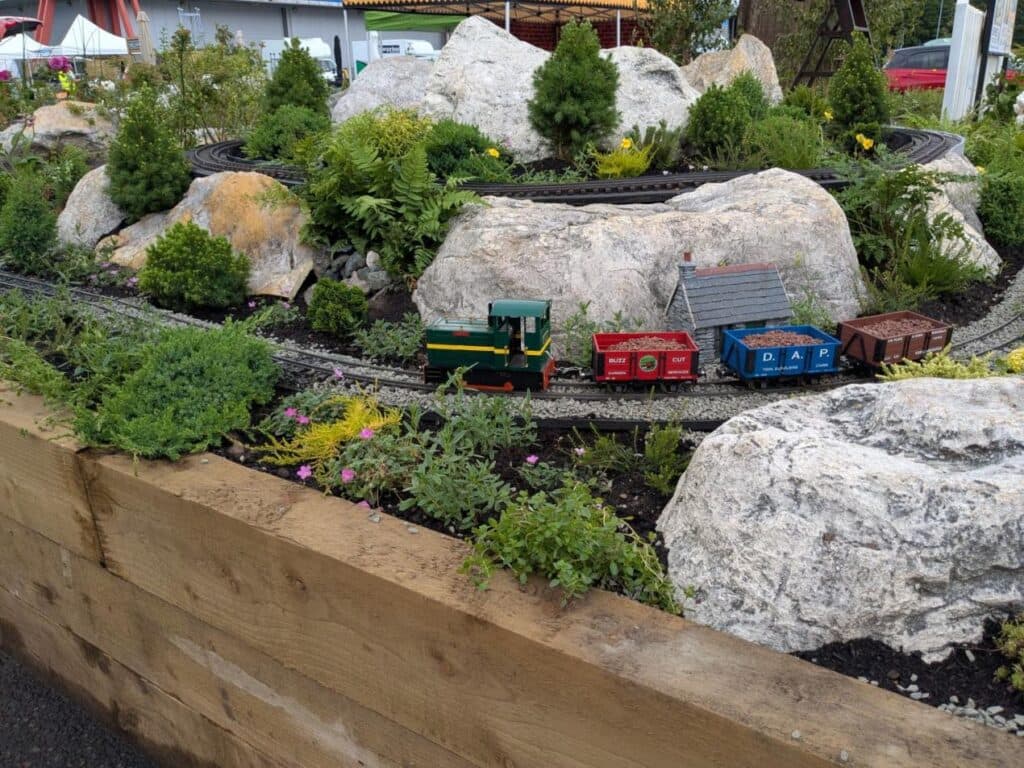
That matters especially on a project like Draper’s Port of Par clay train, where the finish has to look coherent across multiple parts and multiple sessions. A slightly different mix can mean one panel dries flatter, another dries rougher, and suddenly you are chasing the problem with another coat. A consistent acrylic workflow cuts those reworks down and makes the paint do the work instead of forcing you into repeated correction.
Bring less-used colours back into the game
The second tip is the one that saves money and frustration at the same time: don’t write off a colour just because it has been sitting on the shelf. Draper’s advice on bringing less-used colours back to life speaks directly to the modeller’s paint rack, where half-used jars and long-forgotten shades often get abandoned even though they are still perfectly usable. That is a waste when the colour is close to what you need for a wagon touch-up, a building wall, or a bit of scenic weathering.
This is where acrylics can feel unforgiving, because a colour that has settled or thickened can look beyond rescue if you only glance at it. Draper’s workflow note is valuable because it shifts the habit from replacing paint to recovering it. If you keep older colours usable, you are more likely to match previous work, more likely to keep a batch of rolling stock visually consistent, and less likely to end up with that odd, toy-like patchwork effect that gives a model away from across the room.
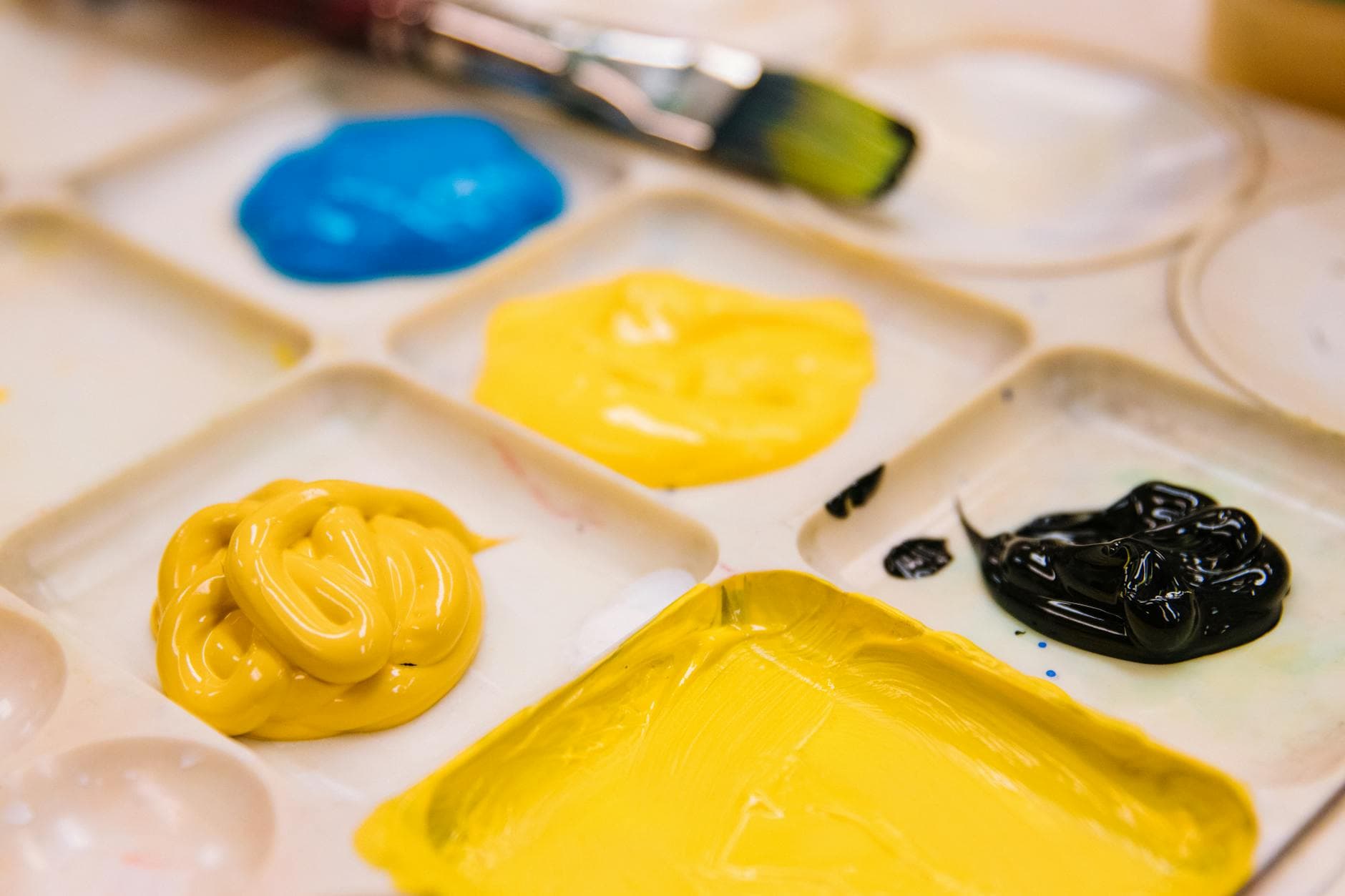
There is also a layout-build payoff here that is easy to miss. When you are working through a project in stages, whether that is structures, stock, or scenic pieces, the ability to bring an old colour back means you can return to a job weeks later without starting over from scratch. That is the sort of quiet efficiency that keeps a build moving.
Keep the paint workable overnight
The third tip is the one that turns acrylics from annoying into genuinely practical: keep the paint workable overnight. That is where Draper’s game-changing product comes in, and even without the label on the bottle, the point is obvious to anyone who has lost a mix to a dry skin or a clogged palette. If the paint still behaves the next day, you spend less time remixing, less time guessing, and more time getting colour onto the model.
For bigger jobs, that is a real advantage. A clay train project, a building run, or a weathering session across several items rarely finishes neatly in one sitting, and the ability to pick up the same mix later makes the whole process feel less like firefighting. It also helps the final finish look more unified, because the colour you laid down yesterday can be matched more closely today instead of being recreated from memory and hope.
The Port of Par context makes the advice feel grounded rather than abstract. World of Railways has already followed the wider Port of Par programme, including the exclusive OO-gauge Port of Par tank locomotive from Rapido Trains, designed and manufactured by W.G. Bagnall of Stafford, a diminutive 0-4-0 saddle tank built for restricted headroom and tight curvature. It later reported decorated samples of the exclusive NCB Port of Par tank locomotive, complete with Oxford blue livery and detailed features, and Draper’s clay train project is set to appear in the June 2026 issue of BRM. That is exactly the kind of ongoing build where acrylic control matters, because a better workflow translates directly into smoother coverage, fewer reworks, and a finish that makes rolling stock and scenery look finished rather than merely painted.
This article was produced by Prism’s automated news system from verified source data, official records, and press releases, then run through automated quality and moderation checks before publishing. The system is built and supervised by the people who set the standards it runs under. Read our full AI policy.
Did this article answer your question?