MyTEAM auction house signals: spot undervalued cards and minimize MT losses platform‑agn
If you trade in MyTEAM, learn the exact market signals that reveal underpriced cards and the checklist I use to stop MT bleed across NBA 2K24 → NBA 2K26, platform‑agn.
If you flip cards or build squads in MyTEAM, small misreads of the Auction House can cost you MT fast, and the economy behind those losses matters. The system that hands out MT, the price of packs and cards, and the lack of marketplace rules create the signals you can learn to read. Below are sequential, actionable items that explain those signals, how to spot undervalued cards, and hard rules to minimize MT losses; the guide covers NBA 2K24 → NBA 2K26 and references historical examples going back to NBA 2K21.
1. What this guide covers (verbatim scope)
“This evergreen guide explains auction‑house fundamentals for NBA 2K MyTEAM across recent game editions (NBA 2K24 → NBA 2K26): how to interpret supply/demand signals, spot undervalued cards, and reduce MT losses when flipping or building squads. It is a practical, platform‑agn” This sentence is the exact scope: auction‑house fundamentals, supply/demand signals, spotting undervalued cards, and reducing MT losses when flipping or building squads, across NBA 2K24 → NBA 2K26. Note the sentence is truncated as supplied; treat it as the declared remit for everything that follows.
2. Read supply signals: listings, re-list rates, and pack frequency
Supply is the easiest place to start: watch how frequently a card or card tier shows up and how often sellers relist. A steady stream of identical ruby or Galaxy Opal listings at similar prices means supply is high and bids aren't moving value, that's a seller's market until supply dries. The research warns that “The lack of supply from sanctioned means – i.e. in-game earning potential – creates a demand for other sources of MT,” which directly explains why supply signals are exaggerated compared to normal markets.
3. Read demand signals: top bids, buy-now activity, and sudden price spikes
Demand shows up as top bids and buy-now sales, especially concentrated after a promo or spotlight event. If a niche card’s top bids spike without a corresponding rise in new listings, that's genuine short-term demand and a poor time to buy for resale. Keep an eye for “flash” demand after content drops, those windows are where resellers and bots push prices, a behavior the source links to poor payout economics.
4. Spot undervalued cards with price comps and context
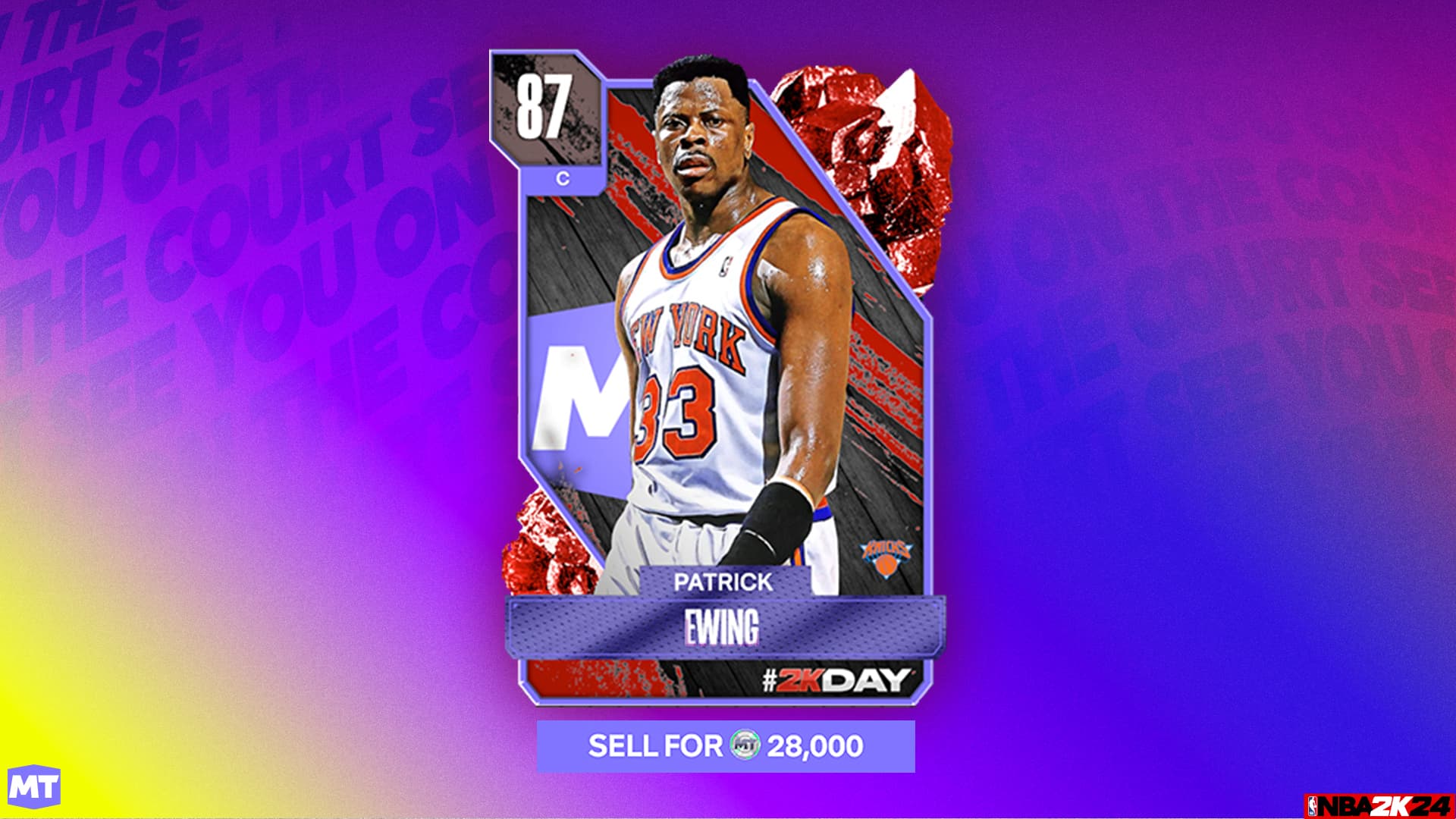
Compare current listings to recent sale history and your own watchlist averages. A card that sells 3–5% below the 7-day rolling average and has low listing volume is a candidate to pick up and flip. Use the historical reference when possible, the research includes the headline “Michael Jordan Cards in the Auction House (NBA 2K21 MyTEAM)” as a past example of high-value cards appearing in AH supply; track similar headline events because they change baseline valuations quickly.
5. Benchmark against pack and AH price inflation (the MyCAREER tie)
Use MyCAREER/VC inflation as a cross-check: when in-game earnings stagnate but pack and AH prices hold or rise, user liquidity shrinks. The source frames this as a parallel: “The issue with the economics of MyTEAM is very similar to one of the major issues in MyCAREER: inflation, without any rise in income.” If payouts are flat while top-tier card prices rise, tighten buy thresholds and widen margins for flips.
6. Practical sniping and listing rules to minimize MT loss
Adopt hard thresholds: only buy at X% under rolling-average price (set X according to rarity), and when selling, set BIN just above your minimum acceptable MT after fees and taxes. Factor in that the research describes MT earnings as inadequate: “The pittance we receive for playing games compared to pack and Auction House prices, combined with the lack of goodwill that comes with trying to push us towards buying VC, encourages illicit means of earning MT.” That makes conservative sell targets smarter, assume overstated top bids could be driven by nonorganic MT sources.
7. Protect yourself from resellers, farming, and hacked MT activity
Recognize the market distortions caused by third-party MT trades: the research bluntly says “The lack of any regulation in the Auction House invites gamers to use ill-gotten MT for a chance at getting the best cards.” When you see repeated extreme buys or price ladders that don’t match player behavior (e.g., youths of identical high bids from new/empty accounts), avoid engaging. The source also argues that a stingy MT policy “probably cost 2K some profits as well,” meaning some price anomalies are systemic, not just opportunistic.
8. Policy signals and platform options: maximum final bids and community tradeoffs
Policy changes are market-moving signals. The source mentions regulating the Auction House with “maximum final bids” as a possible fix, but cautions “not everyone would be on board with regulating the Auction House with maximum final bids.” If dev patches or forum threads mention maximum-bid rules, immediately widen margins and avoid long-term holds; regulation reduces upside for flips and increases predictability for builders.

- The content explains auction-house fundamentals for NBA 2K MyTEAM across recent game editions (NBA 2K24 → NBA 2K26).
- It covers how to interpret supply/demand signals, spot undervalued cards, and reduce MT losses when flipping or building squads.
- The piece discusses MT (MyTEAM virtual currency) payouts, inflation, and their impact on the game's economy.
- It states that lack of supply from sanctioned in-game earning potential creates a demand for other sources of MT, including illicit means.
- It argues that when MT payouts are pitiful compared to pack and Auction House prices, it encourages farming, hacking, and MT reselling.
- The content references a comparison between MT earnings in MyTEAM and VC earnings in MyCAREER, noting inflation without corresponding income growth.
- It mentions that 2K's approach to MyTEAM economics has contributed to problems like farming and hacking by not adequately accounting for MT inflation.
9. Key facts extracted
This is a verbatim block of extracted facts, use it as the checklist for what the research directly supports.
10. What the sources say about causation and where to be skeptical
The research attributes the chain, low sanctioned payouts → demand for external MT → more resellers and hackers, to Nba-live’s analysis: “By failing to account for inflation in MT payouts, and even nerfing them as the case may be, they’ve encouraged farming and hackers.” Treat that as an attributed interpretation: it explains the mechanics but requires empirical verification (sales volumes, pack odds, dev statements) before you assume scale.
- Check 7‑day median sale price, not just current BINs.
- Confirm listing frequency and whether the card was recently added in promos.
- Reject any auction where top bids come from accounts under two weeks old or with zero prior sales.
- Calculate final MT after listing fees and expected tax, build a 5–15% buffer for market volatility.
11. Practical anti-loss checklist before you buy a listing
Those are the exact trade rules I use; they reflect the research’s core warning that payouts and market structure can push players toward risky behavior.
12. Research gaps you should track (reporter’s to-do)
The supplied materials list clear gaps: historic MT payout numbers, AH price series for key cards, documented scale of resellers/hackers, and 2K/Take Two official statements. The research itself notes these limitations, there are no numeric MT/VC amounts or official dev quotes included, so verify when possible before treating price anomalies as definitive proof of policy failure.
13. Bottom line and what to expect next
Read supply, read demand, and trade conservatively: because MT payouts have not kept pace with pack and Auction House prices, the market is prone to distortion and illicit activity. As Nba-live summarizes the design tension: “It’d be naive to suggest that MT resellers and hacking wouldn’t exist if MT payouts were somewhat fairer, but supply and demand is basic economics.” That’s the pragmatic frame: master the signals above, use strict buy/sell rules, and anticipate that any sign of policy change (like maximum final bids) will reset the market, so keep positions short and margins wide.
Final word: the Auction House reflects both player behavior and developer economics; learn to read both or you’ll be the market’s MT leak.
This article was produced by Prism’s automated news system from verified source data, official records, and press releases, then run through automated quality and moderation checks before publishing. The system is built and supervised by the people who set the standards it runs under. Read our full AI policy.
Did this article answer your question?