NBA 2K comebacks that would be fun to recreate in MyNBA
Kareem to the Knicks, Wizards Jordan, and a few near-miss vets turn MyNBA into a cleaner, weirder alternate-history machine.

MyNBA gets a lot more interesting when you stop treating the roster as finished. The best comeback saves are the ones that let you give a veteran one more honest shot, especially when the real league tended to shove long-tenured players out the door without much ceremony. That idea, along with Jackie MacMullan’s reminder that veterans do not always know when to stop and R.C. Buford’s memory of an awkward 15-minute workout from an unnamed former Spur, is exactly why these comeback scenarios work so well in video games.
Kareem Abdul-Jabbar to the Knicks or Pistons
Kareem is the cleanest MyNBA temptation on the board because the setup already feels like a franchise rescue mission. He seriously considered a comeback in 1991 after Magic Johnson announced his HIV diagnosis, and part of the appeal was that he wanted to donate a portion of his salary to HIV/AIDS research. Pat Riley was open to bringing him to the Knicks, Jack McCloskey would not rule out Detroit, and the Knicks were already positioned to contend in 1992.
That is the kind of swing that turns a normal season into a story you actually want to finish. In MyNBA, I would recreate it with the 1991-92 Knicks as the cleanest fit, then give Kareem a controlled, low-minute role so he is there to punish mismatches, clean the glass, and close games without asking him to carry a full-time offense. If you want a slightly spicier setup, the Pistons route gives you a tougher, grind-it-out identity and a better excuse to slow the pace down and play through the half court.
Wizards-era Michael Jordan as a late-career build
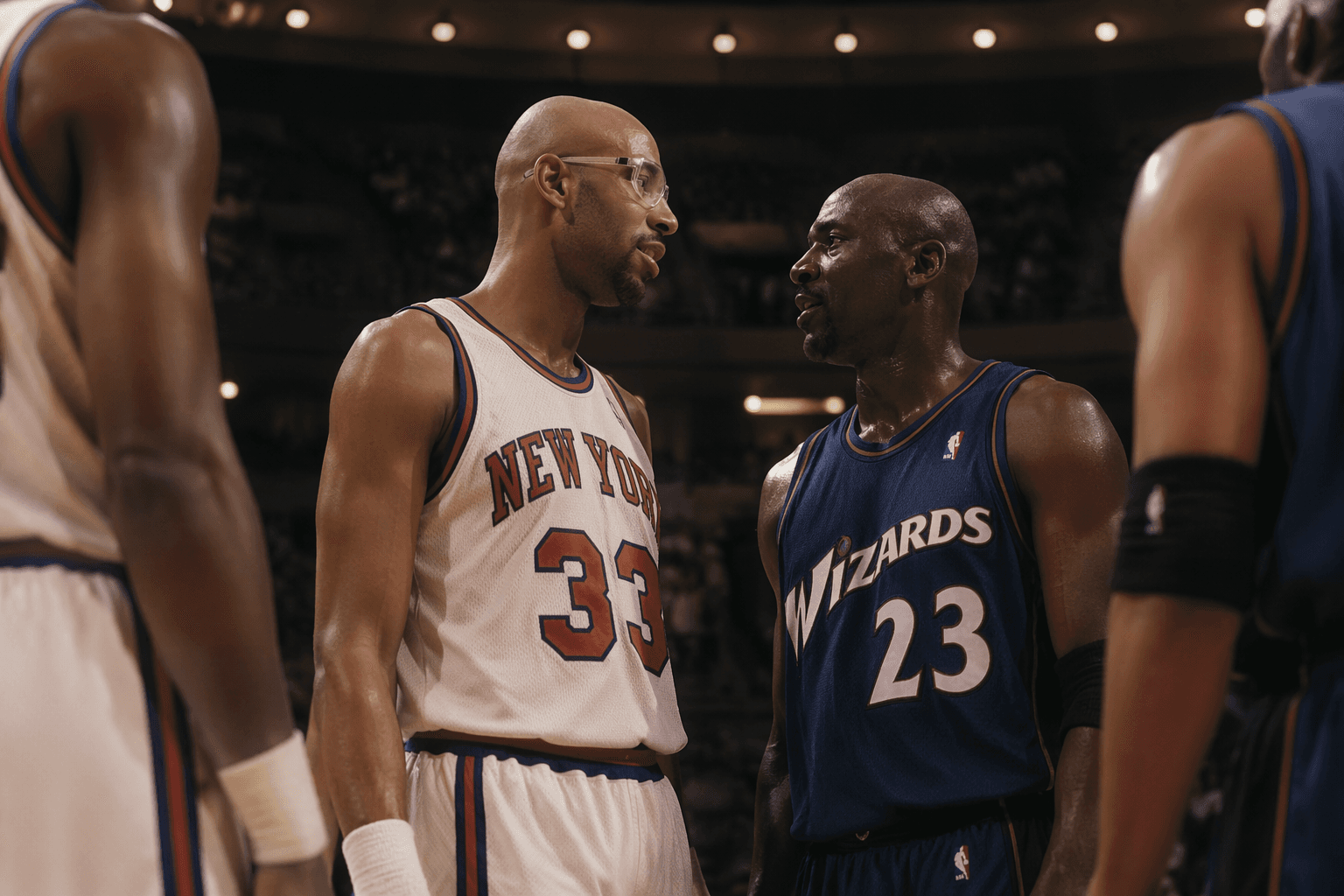
The Wizards Jordan run is still a slightly underrated video-game what-if because it is one of those comebacks that was never really about recapturing peak Jordan, just getting a star back on the floor and letting him find his groove again. Andrew’s point is simple: the Washington stint is more than a meme, especially since Jordan was settling in before the knee injury stopped the momentum.
That makes it perfect for a custom roster or a MyNBA reset where the goal is not nostalgia, it is usage. Build the roster so Jordan is the primary late-clock creator, not a ceremonial option, and surround him with enough shooting and spacing that you can feel the offense breathe when he takes over a quarter. If you want the save to play right, resist the urge to make him the whole system. Let him be the closer, and the comeback suddenly feels like a live basketball problem instead of a museum piece.
The unnamed Spur who tried to claw back midseason
One of the smartest details in the piece is Buford’s memory of a former Spurs player showing up with comeback hopes and then enduring an embarrassing 15-minute workout. That anecdote matters because it strips away the romance and shows how brutal a return attempt can be once a front office actually puts a stopwatch on it.
That is a great MyNBA scenario because it gives you a decision instead of a souvenir. Take a retired or nearly retired veteran, drop him into a contender’s free-agent pool, and treat him like a midseason audition rather than a guaranteed signing. If he earns the roster spot, you get a bonus storyline. If he does not, you get the kind of hard, unsentimental roster cut that makes franchise saves feel authentic.
The late-30s and 40s producer who still has something left
The piece also makes the case for the veteran who is not done just because the calendar says he should be. Some players retire too early, while others can still be productive deep into their late 30s and even into their 40s, which is exactly the kind of age-curve chaos that MyNBA loves if you let it breathe.
This is where you can have the most fun with role definition. Build a roster around an older scorer, big, or point guard who is no longer a nightly engine but still has enough skill to swing a series in short bursts. Keep the minutes honest, lean into bench units, and use him as the guy who steadies the second quarter or closes a ugly road win. The fun is not in pretending he is young again; it is in proving he still matters when the game slows down.
The comeback save that fixes the ending
What makes these stories hit is not just the player, it is the ending that gets rewritten. Andrew’s larger argument is that some stars leave too abruptly, some retire too soon, and some still have enough left to make another run worth watching. That is why comeback material works in MyNBA, Association, and custom roster setups so naturally, because the mode is already built to ask what happens if the league gives a veteran one more chapter.
That is the real hook here: not nostalgia, but control. A good comeback save gives you a reason to care about the last game, not just the next one, and once you have played through a Kareem title chase or a Wizards Jordan revival, the usual franchise grind feels a lot flatter by comparison.
This article was produced by Prism’s automated news system from verified source data, official records, and press releases, then run through automated quality and moderation checks before publishing. The system is built and supervised by the people who set the standards it runs under. Read our full AI policy.
Did this article answer your question?