Wayback Wednesday revisits NBA 2K6 on PlayStation 2 after 20 years
NBA 2K6’s PS2 build still matters for its rewritten controls, Nike-era authenticity, and broadcast polish, even if the feel never fit every player.
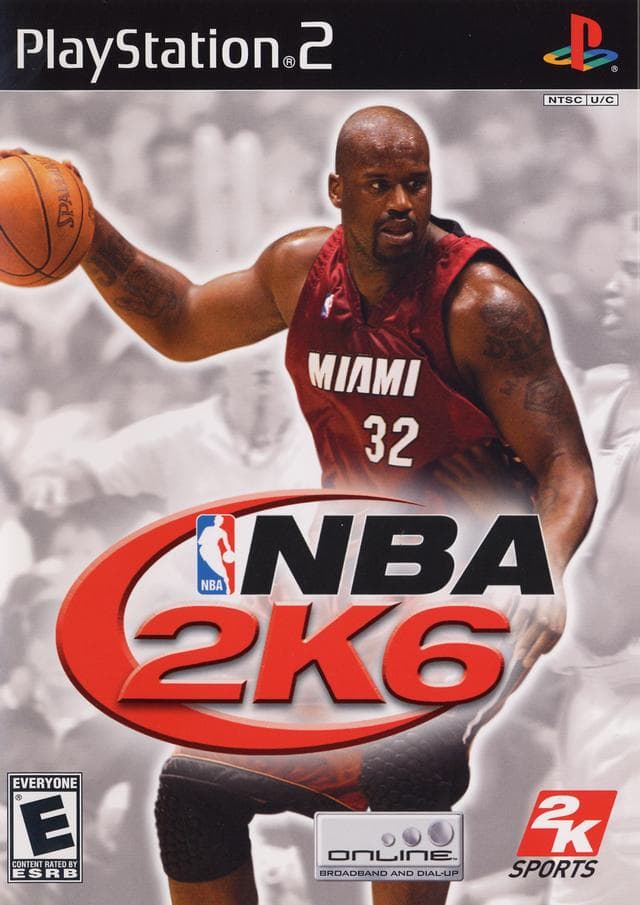
Two decades later, the PlayStation 2 version of NBA 2K6 is worth revisiting because it shows the series at a real turning point, not just a popular old release. It arrived with sharper presentation, a rewritten code base, and a heavier push toward authenticity, but it also carried a control feel that did not click with everyone the first time around.
Why the PS2 release landed differently
NBA 2K6 hit North America on PlayStation 2 and Xbox on September 27, 2005, then reached PAL PlayStation 2 players on March 10, 2006. That gap matters, because a game that feels fresh in one market can feel like a delayed arrival in another, especially for players who were already settled into another series. In this case, the player at the center of the retrospective was a long-time NBA Live fan, content with the PC version of NBA Live 06, and had little incentive to jump ship when NBA 2K6 finally showed up later in his market.
That delay also explains why the game’s reputation had room to change. In North America, NBA 2K6 was being sold as the new thing, and 2K Sports’ launch message made that clear by putting it in stores across the region that same September. In PAL regions, the same game could feel less like a must-play event and more like a catch-up release, which is a very different way to meet a basketball game that is trying to define the future of a series.
The presentation still points to the right idea
What still holds up in NBA 2K6 is the ambition behind the presentation. Mid-2000s sports games were starting to chase a more broadcast-ready look, with sweat effects, better jersey behavior, and arenas that felt closer to televised basketball than earlier console generations could manage. NBA 2K6 sits right in that shift, and the game’s own marketing leaned hard into it with promises of “ultra-realistic graphics” and “responsive controls.”
The Nike partnership also tells you what the series was trying to become. 2K Sports tied NBA 2K6 to authentic footwear and Nike iD shoe customization, which sounds like a cosmetic detail until you remember how much sports games live or die on the sense that every inch of the product belongs to the league it represents. That kind of integration gave the game a specific identity, and it helped turn presentation into part of the basketball experience instead of just window dressing.
The controls were the dividing line
The controls are where the memory gets complicated. The retrospective makes clear that the PlayStation 2 version did not immediately win over the player revisiting it, and that reaction is part of the game’s story too. Even when a basketball game looks better and advertises smoother responsiveness, it still has to feel right under the thumbs, and NBA 2K6 did not land that first impression for everybody.
IGN’s pre-release coverage noted that the developers had gone through major code rewrites and removed older systems, including the previous IsoMotion implementation. That is the sort of clean break that usually signals a franchise trying to move from one era into another, and in NBA 2K6’s case it helps explain both the ambition and the friction. The game was trying to be more dynamic and fluid, but for players used to a different basketball language, the new direction was not automatically comfortable.
That is why the later hindsight matters. A game can be technically braver than the version you remember, and still lose you on first contact if the rhythm is off. NBA 2K6’s PS2 build is a good reminder that progress in sports games is not just about better numbers on a feature list, it is about whether the new system makes you want to run one more possession.

What modern NBA 2K could still learn from it
The clearest lesson from NBA 2K6 is that clarity beats clutter when a basketball game is trying to reset its identity. The code rewrite, the removal of older systems, and the push toward a more responsive feel all show a team willing to cut back before moving forward. Modern NBA 2K could stand to remember that sometimes the best upgrade is not adding another layer, but removing the one that blocks the flow.
A few things still stand out:
- Presentation should support play, not sit beside it. NBA 2K6 understood that graphics, arena detail, and broadcast-style polish mattered because they reinforced the on-court action.
- Licensed details should feel integrated. Nike footwear and Nike iD customization gave NBA 2K6 a specific visual identity instead of a generic sports-game shell.
- A reset has to be felt, not just advertised. Major code rewrites only matter if the result changes how the game moves in your hands.
That is where the PS2 version stays useful today. It is not just an old basketball game with a famous cover and a strong Metacritic score, though it has that too, with an 84 on PlayStation 2 and an 81 on Xbox 360. It is a snapshot of the moment when NBA 2K started pushing harder toward the modern identity the series would eventually own.
Why the verdict changed with time
The Xbox 360 version later became one of the retrospective author’s favorite games, which makes the PS2 release feel even more interesting in contrast. The same title that bounced off one player on PS2 could become a favorite on the next hardware generation, and that split says a lot about how much console transitions shape memory. NBA 2K6 was also the first NBA 2K game published by 2K Sports and the first in the series released for Xbox 360, so it was carrying corporate and technical transition at the same time.
That is why the old PS2 build still deserves a look. It is the version that shows the series before the next-gen leap fully took over, with enough ambition to point forward and enough friction to explain why players did not all arrive at the same verdict. Two decades later, that mix is exactly what makes NBA 2K6 more than a nostalgia piece, because it still tells you how the series learned to look modern without losing sight of what had to change first.
This article was produced by Prism’s automated news system from verified source data, official records, and press releases, then run through automated quality and moderation checks before publishing. The system is built and supervised by the people who set the standards it runs under. Read our full AI policy.
Did this article answer your question?