ANS webinar explores nuclear power for Artemis lunar missions
A May 7 ANS educator webinar tied Artemis excitement to the hard lunar-power questions: surviving the two-week night and delivering continuous kilowatts.
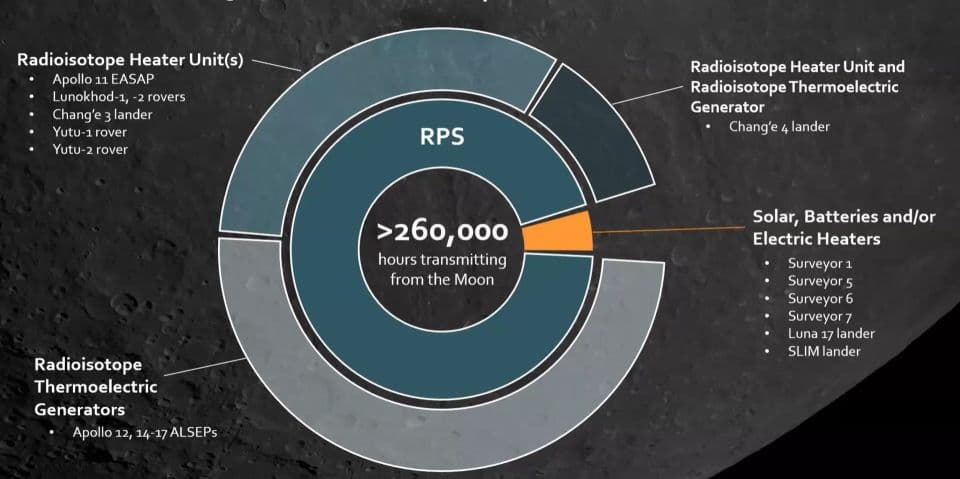
The real challenge behind Artemis is not just landing on the Moon, but keeping hardware alive through two weeks of darkness, brutal cold and long-duration surface work. That was the core message running through the American Nuclear Society’s educator training webinar, Powering the Lunar Frontier: Nuclear Energy for the Artemis Era, which put lunar power systems in direct conversation with the next phase of human exploration.
Harsh Desai, chief commercialization officer at Zeno Power and chair of the Nuclear Energy Institute’s Space Nuclear Taskforce, led the session by linking the public attention around Artemis II to the likelihood that a future Artemis IV landing would again draw global eyes. The webinar was built as a bridge for teachers and other non-specialists who need a simple answer to a complicated question: why does nuclear keep coming up in space plans?
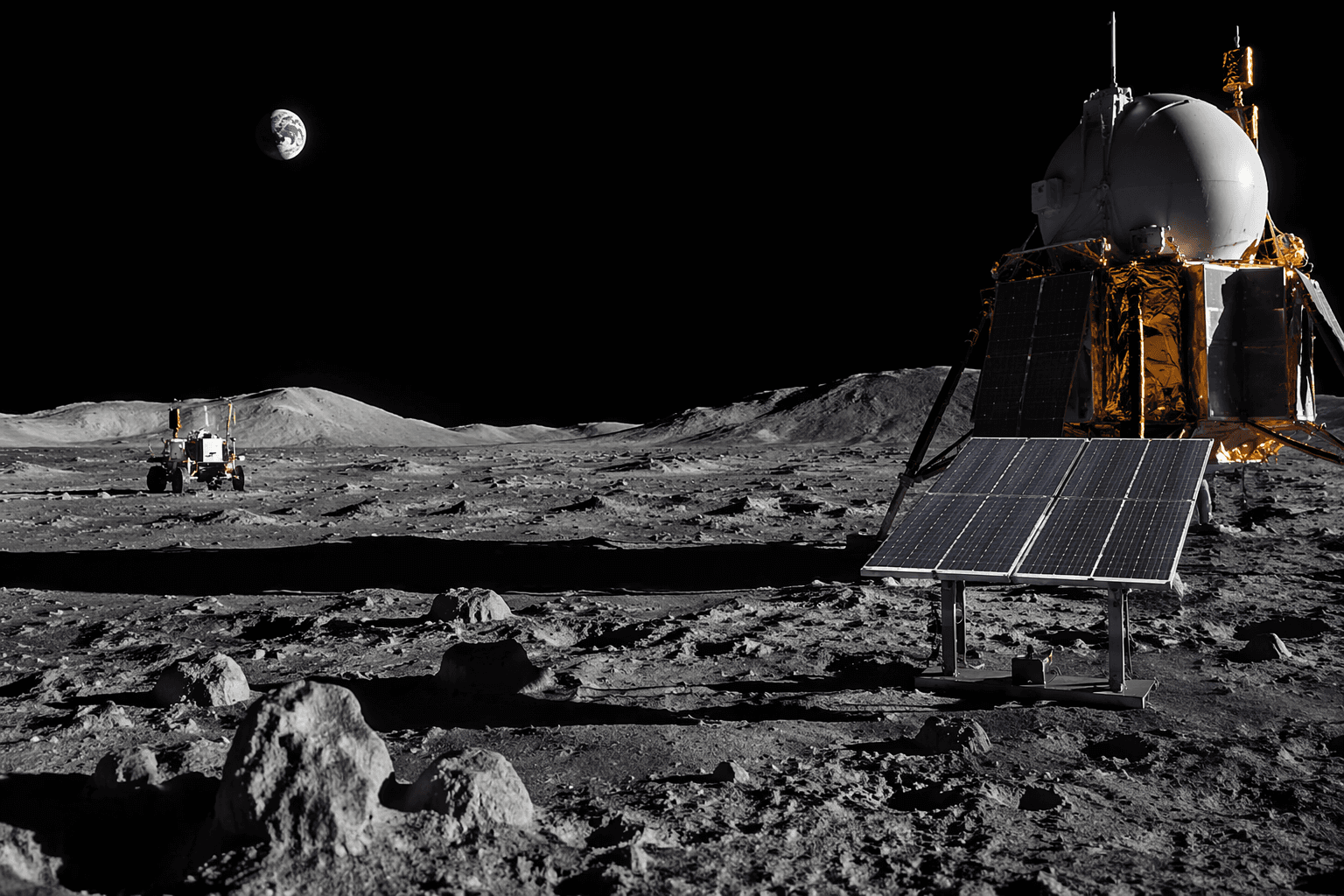
NASA’s answer is power density and persistence. Artemis IV is planned to explore the lunar south pole region, and after Artemis III the crew is expected to live and work in Gateway, humanity’s first lunar space station. That kind of mission architecture depends on dependable electricity in places where sunlight is intermittent and operations cannot stop when the Sun goes away.
That is where NASA’s Fission Surface Power effort comes in. The agency, working with the U.S. Department of Energy and industry, is developing a lunar reactor intended to provide at least 40 kilowatts of power. NASA said in 2022 that it had awarded three $5 million contracts for initial reactor design concepts, and it describes the program as building on more than 60 years of agency experience in exploration technology. The pitch is straightforward: continuous power, regardless of location on the lunar surface, is a mission enabler rather than a science-project add-on.
Zeno Power’s message was more immediate and commercial. The company says its space nuclear batteries use radioisotope decay to produce heat and electricity, giving lunar systems a way to survive the two-week lunar night, when temperatures can fall to about -250 C. Zeno says those batteries are intended to provide heat and electricity for years, not weeks, and it said on April 21, 2026, that it had completed final design review for a space nuclear battery being developed under NASA’s Harmonia Radioisotope Power System for the Artemis Tipping Point program. The company is targeting delivery to market in 2027.
For the nuclear community, the value of the webinar was its focus on the few questions that actually determine whether lunar power moves from concept to infrastructure: how to survive the night, how to size the system, and how to turn a classroom explanation into a real mission requirement. In that sense, the session did exactly what Artemis-era nuclear education needs to do, connecting the Moon’s most visible ambitions to the engineering that will keep them running.
This article was produced by Prism’s automated news system from verified source data, official records, and press releases, then run through automated quality and moderation checks before publishing. The system is built and supervised by the people who set the standards it runs under. Read our full AI policy.
Did this article answer your question?