Antares secures first multi-year HALEU supply deal with Urenco
Antares locked in the first multi-year HALEU deal Urenco has ever signed, turning a pilot market into a real supply chain bet for advanced reactors.
_13284_2_95976_24064.jpg&w=1920&q=75)
Antares just moved HALEU procurement out of the one-off, stopgap phase and into something that looks a lot more like a real fuel market. Urenco said the agreement is the world’s first multi-year contract for HALEU supply, a milestone that matters because advanced reactors do not get built on promises, they get built on dependable fuel lines, bankable timelines and enough confidence to keep investors from walking away.
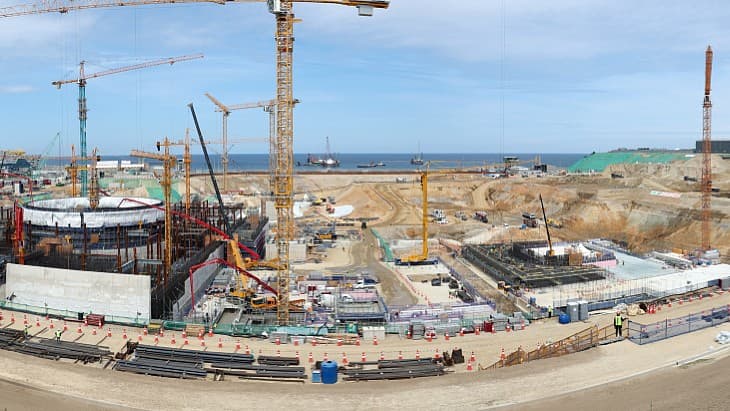
The fuel will come from Urenco’s planned advanced fuels facility at Capenhurst in northwest England, the same site where the company said it produced LEU+ in a first trial run after a regulatory readiness review and permission from the Office for Nuclear Regulation. Urenco says the Capenhurst plant is scheduled to come online in 2031 and could initially make up to 27 tonnes of HALEU per year, with modular expansion beyond that. The UK government backed the project with £196 million in co-funding in May 2024, underlining that this is now an industrial and policy buildout, not just a centrifuge pitch deck.
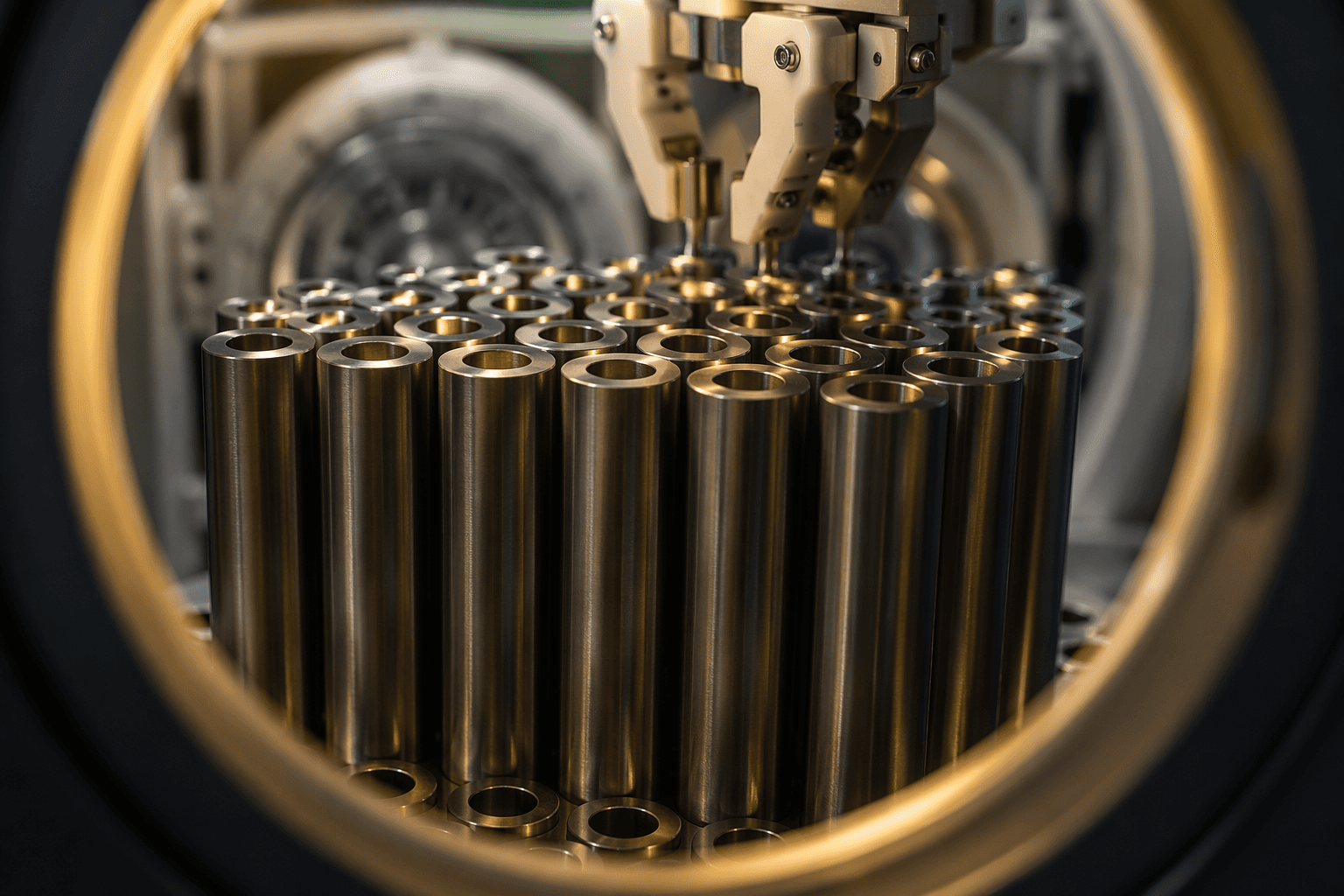
That timing still leaves a long runway before the first kilogram lands in a reactor supply chain, and that is where the Antares contract becomes more than headline material. A multi-year deal gives fuel qualification, project finance and reactor scheduling a firmer anchor than the short-duration allocations and purchase discussions that have dominated HALEU for years. For developers trying to close a balance-of-plant schedule, line up fabrication and satisfy lenders, a multiyear supply commitment is the kind of paper that can make a demonstration look less like a moonshot.
The announcement also lands in the middle of a broader government push to manufacture HALEU demand into real infrastructure. The U.S. Department of Energy finalized HALEU enrichment task orders on January 5, 2026, to expand domestic capacity over the next 10 years, while also keeping up to $800 million available for HALEU deconversion services under contracts lasting as long as 10 years. DOE’s HALEU Availability Program is meant to do two things at once: buy material and pull private capital into the fuel cycle.
Antares has its own clock ticking. The company says it is targeting a reactor demonstration in 2026, a first electricity-producing reactor in 2027 and initial production deployments in 2028. BWX Technologies began fabricating TRISO fuel for Antares’ initial reactors in October 2025, and BWXT said in February that the work was on track for timely completion toward the July 4 criticality target. Antares has also been selected for a proposed microreactor deployment at Joint Base San Antonio under a Department of the Air Force initiative. Put together, the fuel deal, the TRISO work and the defense interest all point in the same direction: the HALEU bottleneck is finally starting to look less like theory and more like a supply chain with dates, hardware and a place to plug in.
This article was produced by Prism’s automated news system from verified source data, official records, and press releases, then run through automated quality and moderation checks before publishing. The system is built and supervised by the people who set the standards it runs under. Read our full AI policy.
Know something we missed? Have a correction or additional information?
Submit a Tip