Argentina delivers heavy water for RA-10 reactor testing phase
Twenty drums of heavy water reached Ezeiza, pushing RA-10 into final testing before commissioning and future isotope production.
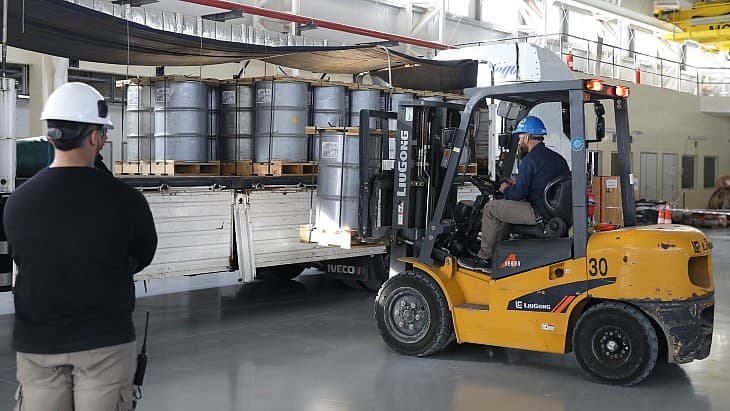
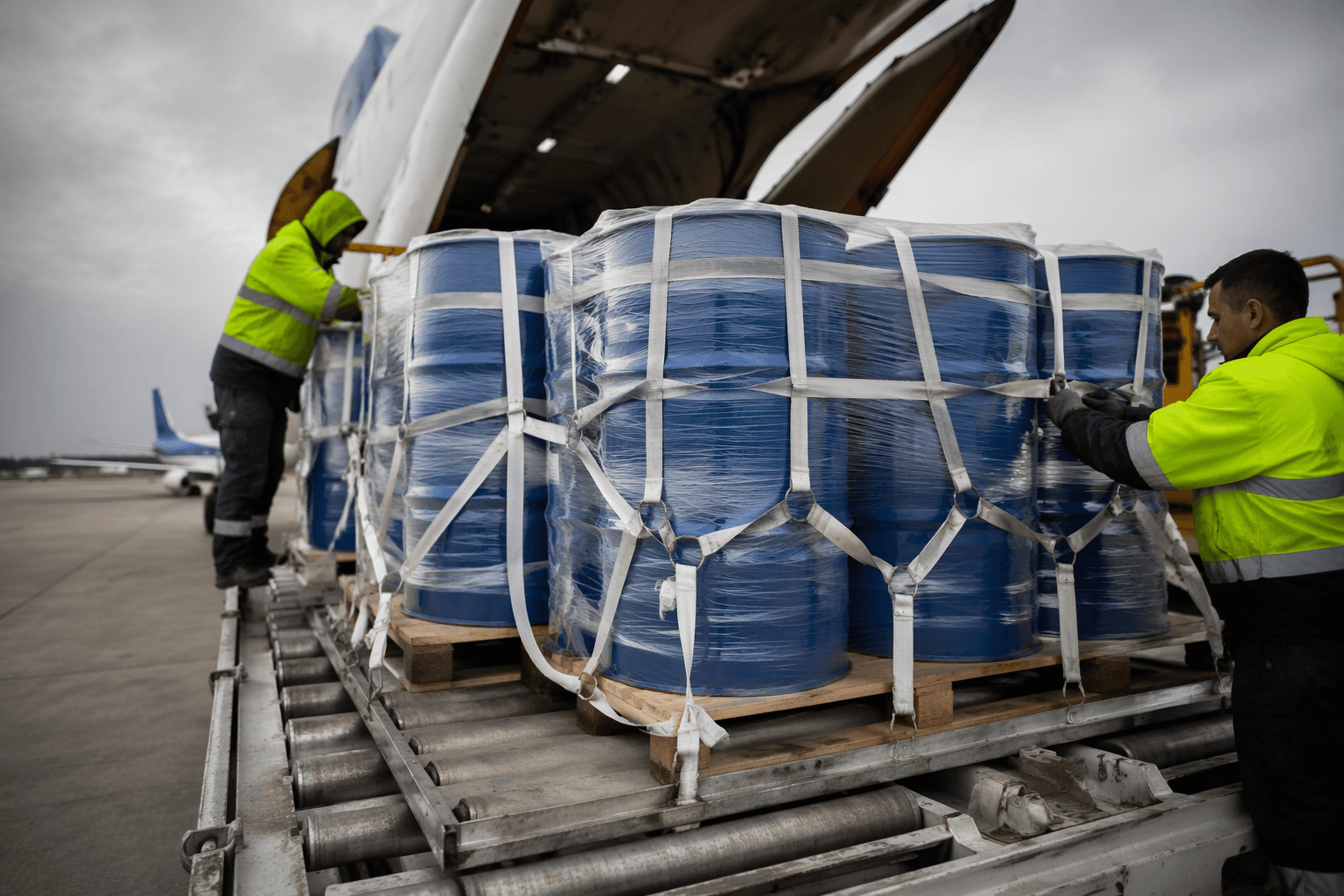
Twenty drums of heavy water, totaling six tonnes, reached the Ezeiza Atomic Centre from the Heavy Water Industrial Plant in Neuquén, pushing Argentina’s RA-10 reactor deeper into its testing phase. The transfer matters because the water is destined for the neutron reflector system, a core part of how the reactor will shape and sustain the neutron field needed for experiments and isotope work.
The material has an isotopic purity of 99.86%, a specification that is central in a research reactor where the moderator and reflector systems determine how neutrons move, slow down, and become available for use. RA-10 is now in pre-commissioning testing, with engineers checking the safety and efficiency of integrated systems before the facility moves closer to service.
RA-10 is being built as a 30 MW thermal open-pool multipurpose research reactor at the Ezeiza Atomic Centre in Buenos Aires province. Argentina officially launched the project in June 2010, received the construction licence from the Nuclear Regulatory Authority in November 2014, and began civil works in 2016. INVAP is the main contractor, while the Comisión Nacional de Energía Atómica is building the reactor itself.
The reactor is meant to do more than support one scientific program. Its mission includes radioisotope production, neutron beam research, and other scientific and industrial applications that depend on a reliable high-flux neutron source. In practical terms, that means medical isotopes, materials testing, and a stronger domestic supply chain for products that countries often have to import.
RA-10 is also intended to take over part of the role long filled by RA-3, the 10 MWt pool-type reactor that began operating in 1967 at the same site in Ezeiza. With RA-10 moving through its final integration steps, Argentina is aiming to expand nuclear-science capacity and reduce dependence on outside isotope suppliers. CNEA has described the project as strategic for increasing radioisotope production for national, regional, and potentially global needs.
The reflector tank reached Ezeiza after final validation tests in Bariloche in February 2024, when INVAP said the project had been under way for 12 years. By late 2025, expectations were for commissioning to begin during 2026 and full operation in 2027, while INVAP has said the reactor is projected to be fully operational in 2026. The heavy water transfer is the kind of milestone that turns that timeline from construction language into a reactor nearing real work.
This article was produced by Prism’s automated news system from verified source data, official records, and press releases, then run through automated quality and moderation checks before publishing. The system is built and supervised by the people who set the standards it runs under. Read our full AI policy.
Did this article answer your question?