Belarus advances radioactive waste disposal site, eyes 2030 launch
Belarus is lining up a disposal site for waste classes 3 and 4, with consultation, hearings and site selection still ahead before a 2030 launch.

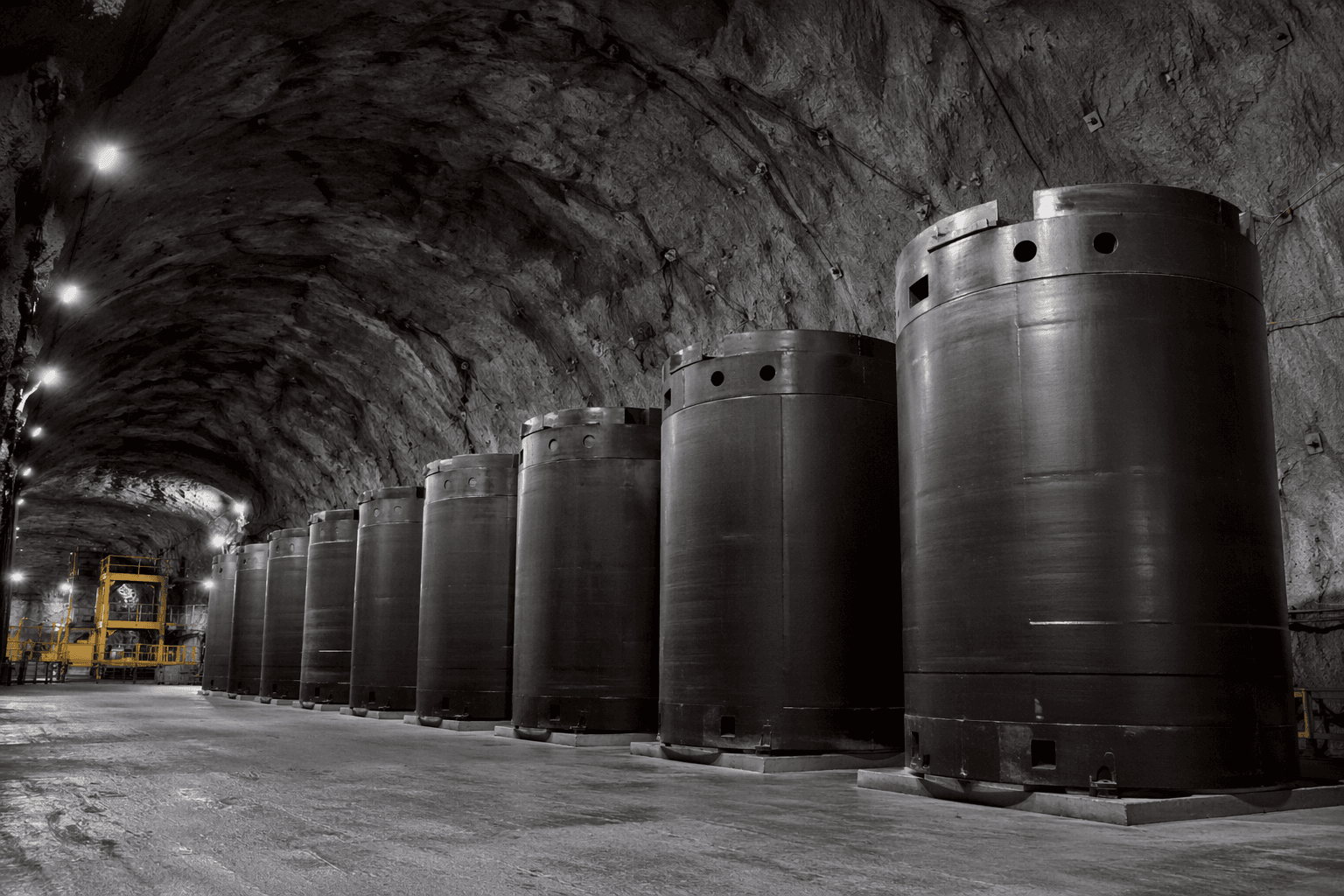
The hard part of a nuclear buildout is often the part nobody can see. Belarus is now trying to turn that invisible end of the fuel cycle into a concrete place on the map, with a purpose-built radioactive waste disposal facility targeted to be ready by the end of 2030.
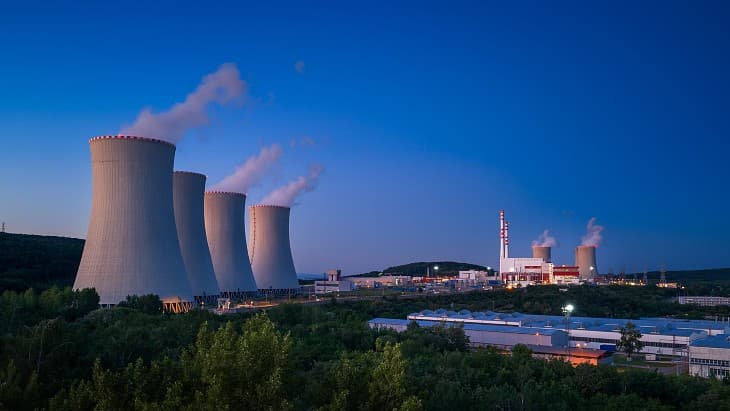
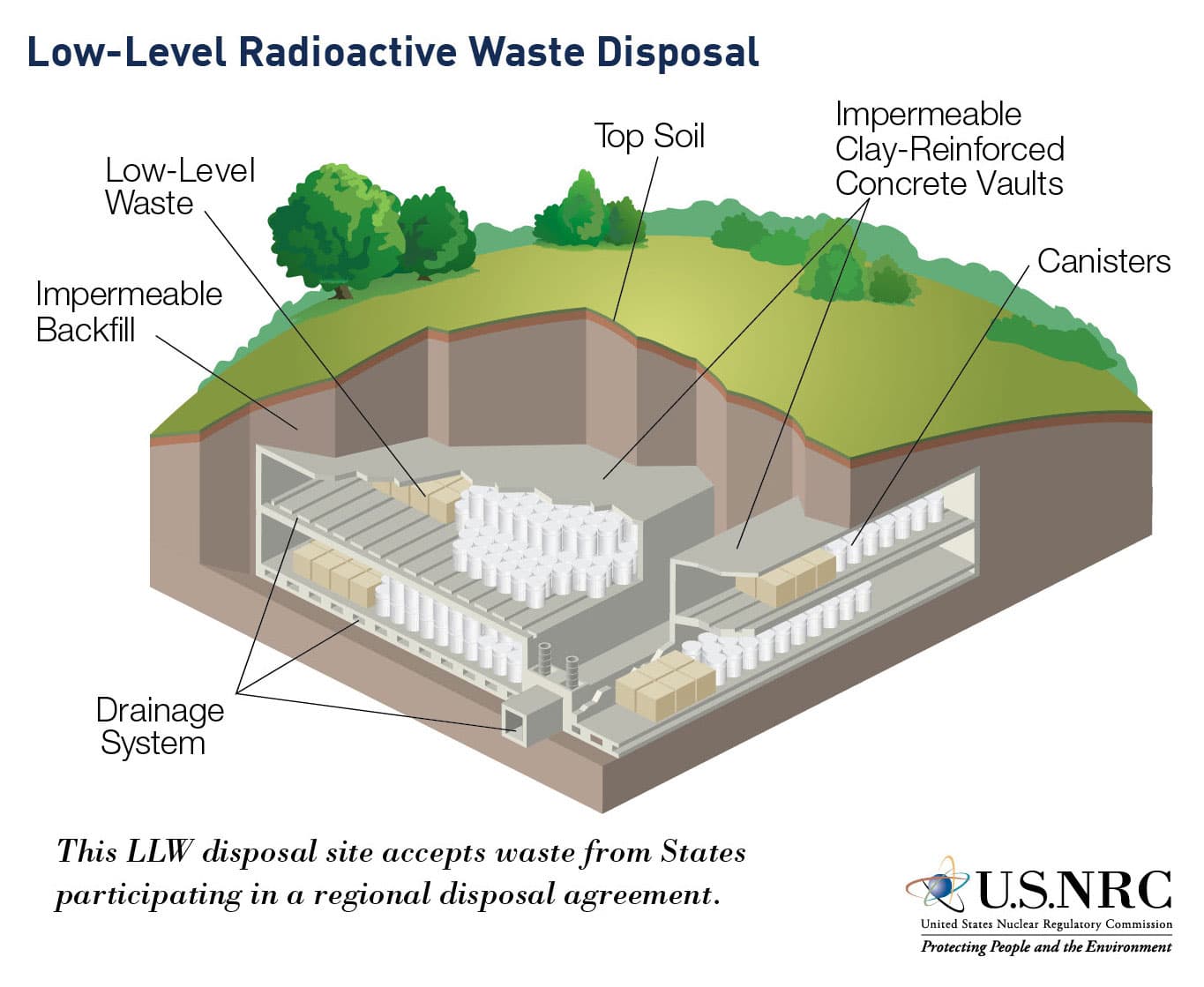
The schedule is built around the Belarusian nuclear power plant, whose first unit began operation in 2021. Officials say the new facility must be able to receive the first waste containers from BelNPP by 2031, which is why the first stage is being pushed toward completion in 2030. The project is not for spent fuel. Belarus says it is planning for low-level radioactive waste, specifically classes 3 and 4, the sort of material that still demands engineered isolation long after routine storage stops being enough.
The process is still moving through its least glamorous but most decisive phase. Public consultation and an environmental impact assessment are planned this year, followed by site selection and architectural design work in 2027. Belarusian officials say the state still has to finish the environmental assessment, hold public hearings at home and consultations with neighboring countries, then settle on the disposal site. That sequence matters because waste infrastructure is usually won or lost before a shovel ever hits the ground, in the paperwork, the trust-building and the argument over whether a site will stay stable for the long haul.
Belarus has already narrowed the field to three prospective districts: Ostrovets in Grodno Oblast, Mstislavl in Mogilev Oblast and Khoiniki in Gomel Oblast. The geography is politically sensitive as well as technical. Ostrovets sits near the BelNPP itself, while Khoiniki is tied to the country’s wider nuclear memory through the nearby Polesie State Radiation and Ecological Reserve, a reminder that Belarus is building this program under the shadow of Chernobyl as much as under the logic of plant operations.
The government has also started formalizing the back end of the system. BelRAO, the Belarusian Radioactive Waste Management Organization, was established in February 2023 to develop long-term storage and disposal capacity. In March 2024, the Council of Ministers created a state commission to choose the priority site, headed by Deputy Prime Minister Piotr Parkhomchik. Officials say they have already held more than 20 meetings in the past six months with local residents and workforce groups, and Lithuania has been notified through the transboundary environmental assessment process. With the IAEA still engaged in Belarus’s reporting and review process, the countdown to 2030 is really a test of whether consultation, regulation and engineering can stay aligned long enough to contain what the reactor produces after the power is made.
This article was produced by Prism’s automated news system from verified source data, official records, and press releases, then run through automated quality and moderation checks before publishing. The system is built and supervised by the people who set the standards it runs under. Read our full AI policy.
Did this article answer your question?