Belgium and Netherlands deepen nuclear cooperation on research and supply chain
Belgium and the Netherlands signed a nuclear MoU that could speed research, staffing and supply chains, with the Netherlands poised for the biggest near-term gain.
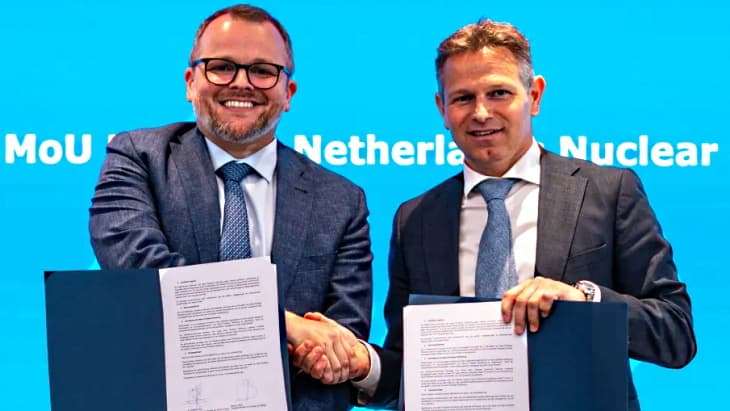
Belgium and the Netherlands turned a familiar diplomatic gesture into something more operational at the BeNeNuc Summit on May 13: a memorandum of understanding aimed at regular contact, a wider research base, and a nuclear supply chain that can actually support projects on both sides of the border.
The agreement was signed by Belgium’s Federal Minister of Energy Mathieu Bihet and Dutch State Secretary for Climate and Green Growth Jo-Annes de Bat. Its most concrete promise is not a new plant or a new permit, but a framework for the work that makes those things possible: more frequent government contact, closer ties between companies and knowledge organizations, and innovation missions designed to put industry partners in the same room instead of on opposite sides of the border.
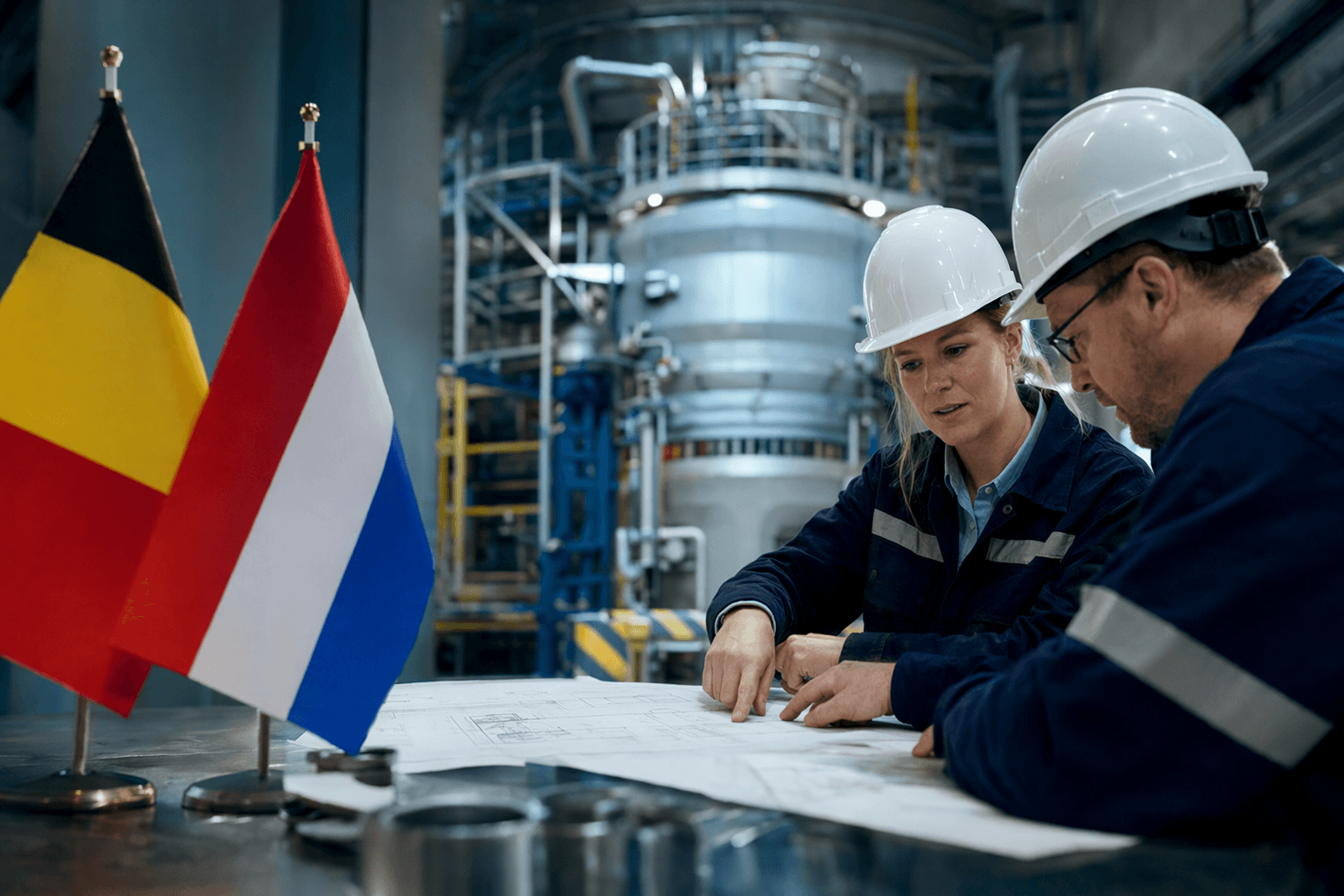
That division of labor is where the deal starts to look practical. The Netherlands can lean on Belgium’s larger base of operational nuclear experience, while Belgium can tap Dutch expertise in new-build planning, permitting, site research, and components for emerging projects, including small modular reactors. In other words, the two countries are not just talking about nuclear cooperation in the abstract. They are matching real strengths to the parts of the buildout chain that usually slow projects down.
The workforce piece may matter just as much as the engineering. The countries want to strengthen the knowledge and skills pipeline for a sector where construction peaks can require around 10,000 workers and the average level over a project can still be roughly 5,000. That makes training, recruitment and cross-border coordination more than side issues. If the region wants more reactors, it will need more welders, planners, engineers and project staff who can move with the schedule instead of chasing it.
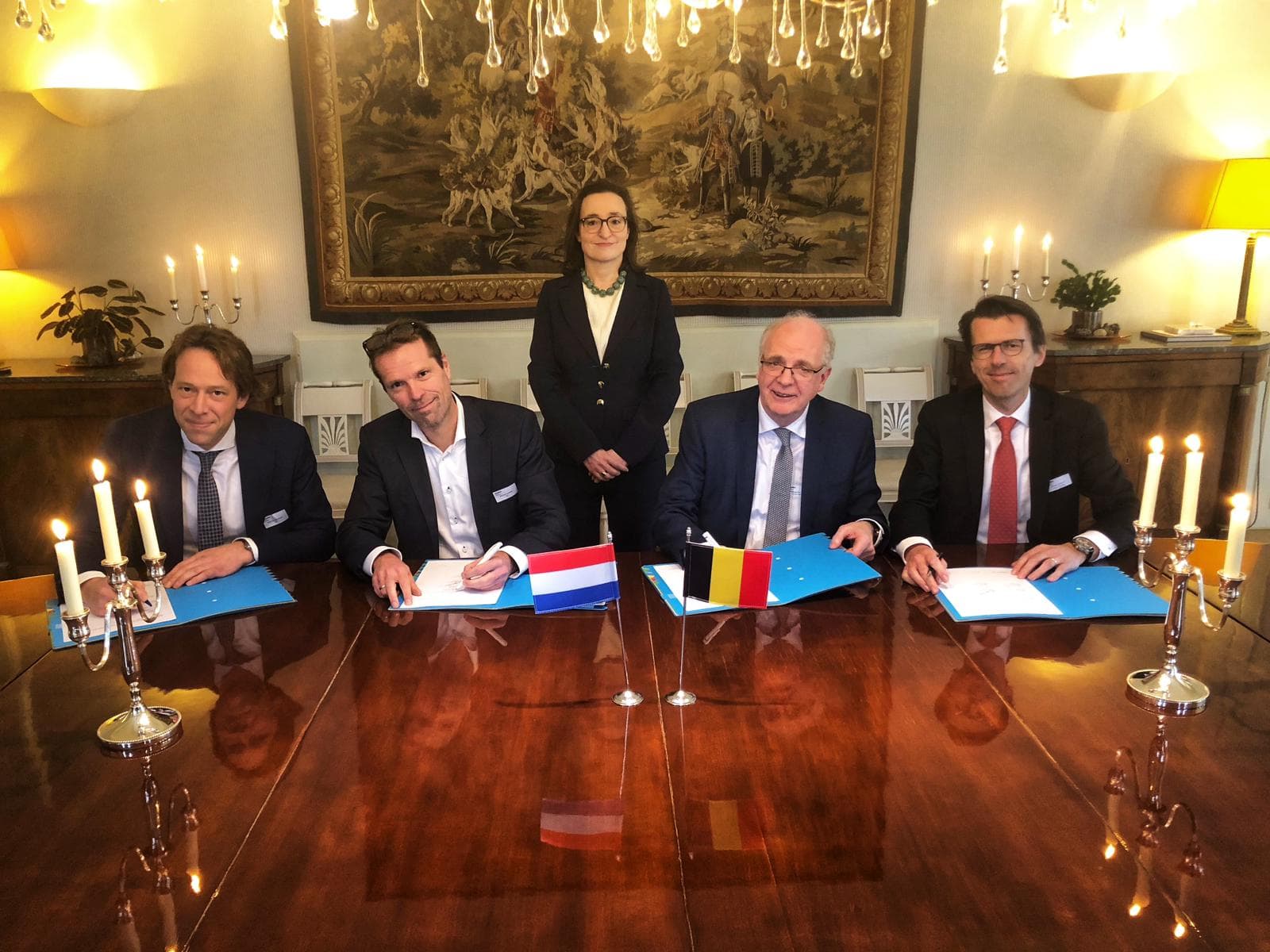
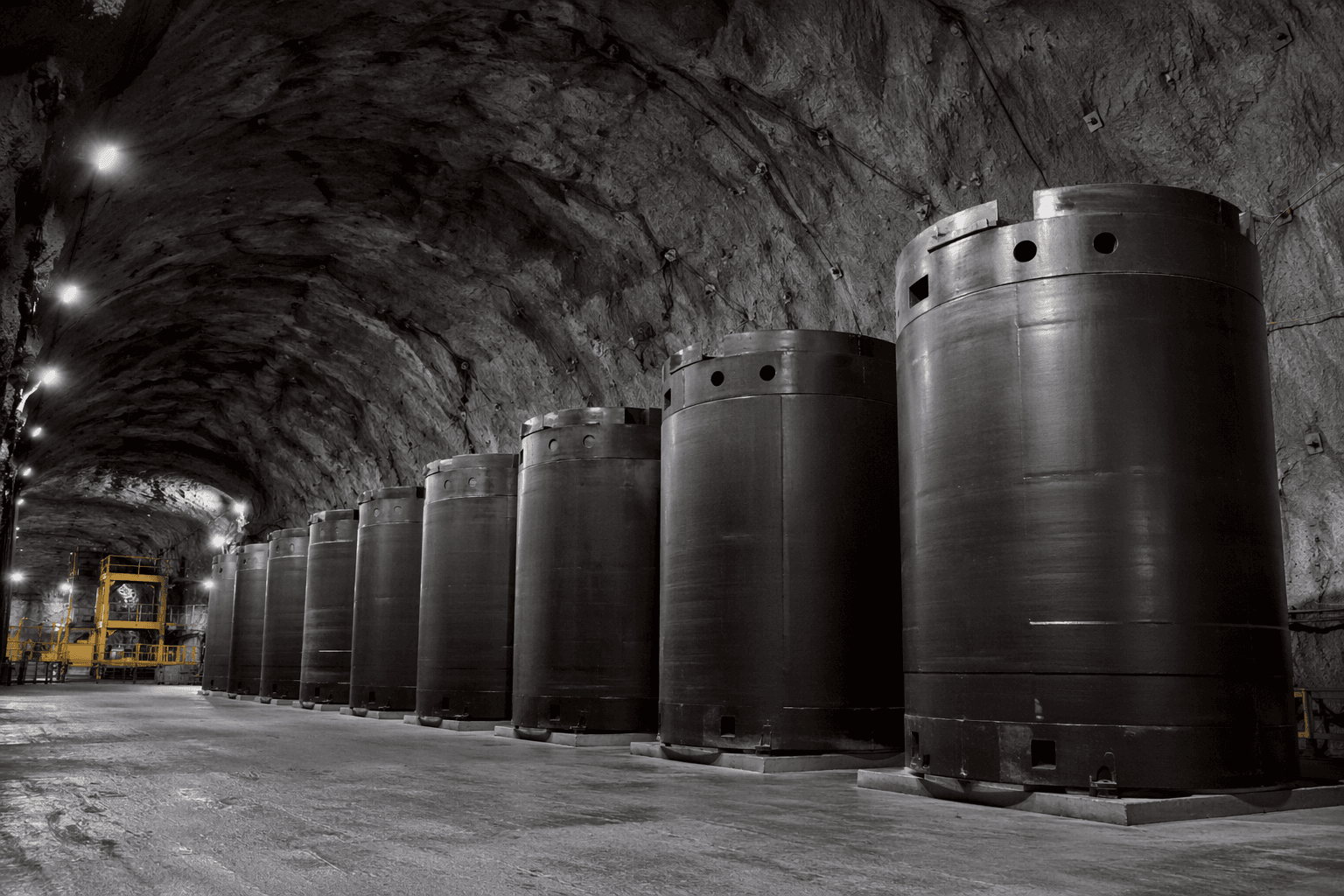
They also agreed to work together on managing, storing and eventually disposing of radioactive waste, which keeps the cooperation tied to the full fuel cycle instead of stopping at generation. Bihet argued that Europe’s nuclear future depends on strong value chains, deep expertise and close cooperation among states, research centers and industry. De Bat said the Netherlands is at a crucial point as it looks to expand nuclear power in its mix, and the country’s best near-term gain may come from turning Belgium’s operating experience into faster learning on its own side.
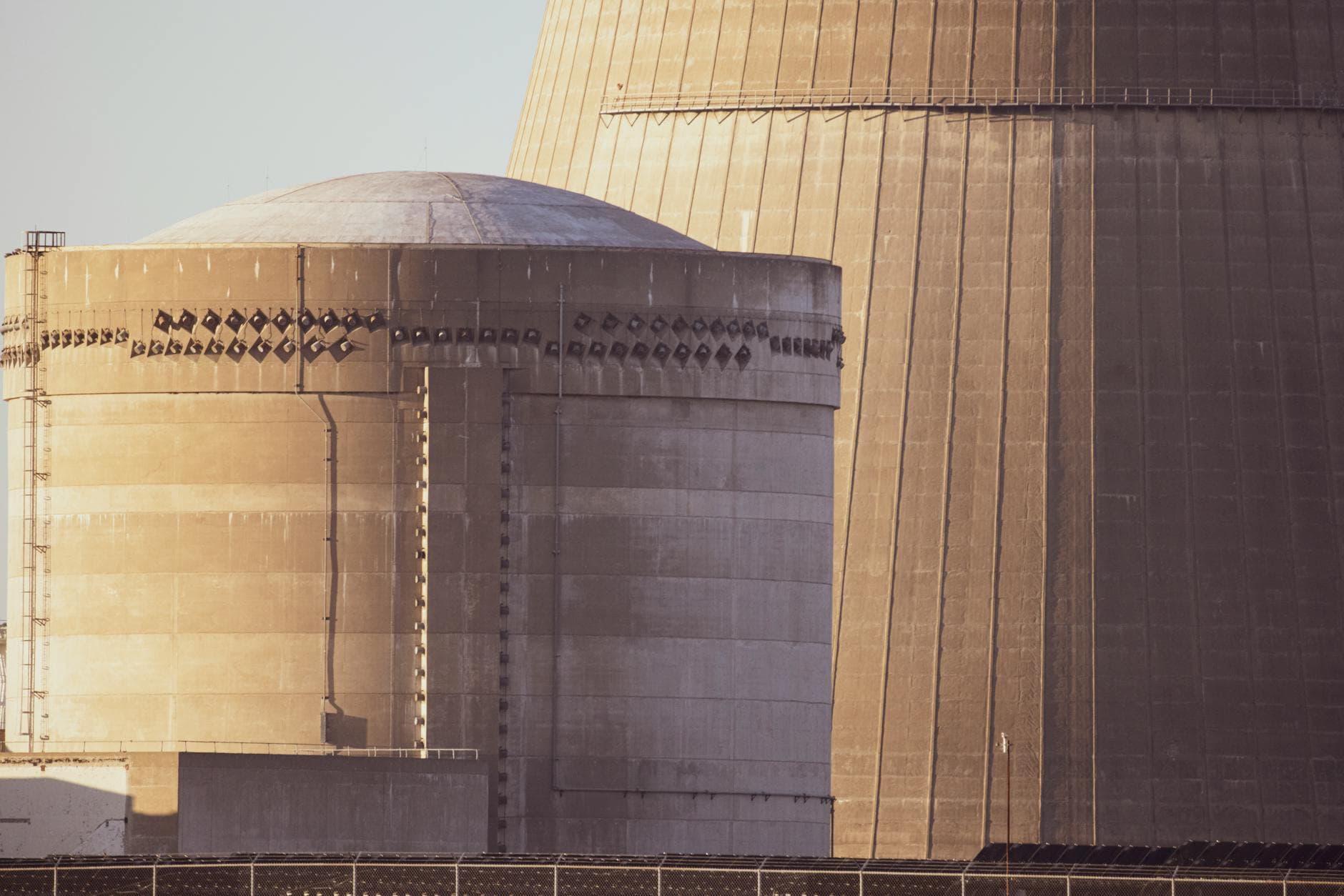
For now, the real test is simple: whether this border-spanning partnership becomes a tool for reactors, licensing, fuel strategy and staffing, or just another polite summit handshake.
This article was produced by Prism’s automated news system from verified source data, official records, and press releases, then run through automated quality and moderation checks before publishing. The system is built and supervised by the people who set the standards it runs under. Read our full AI policy.
Did this article answer your question?