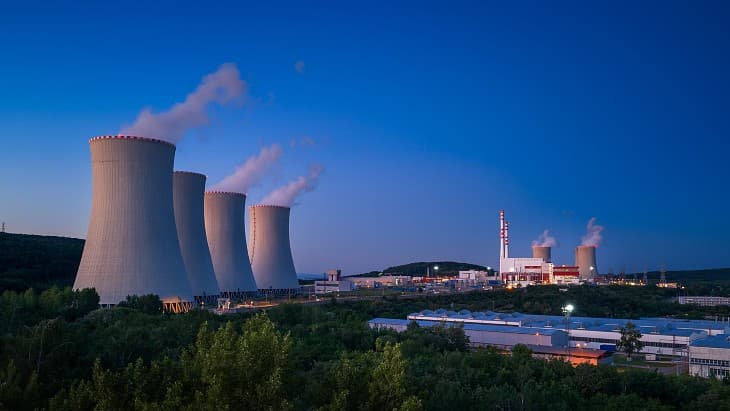
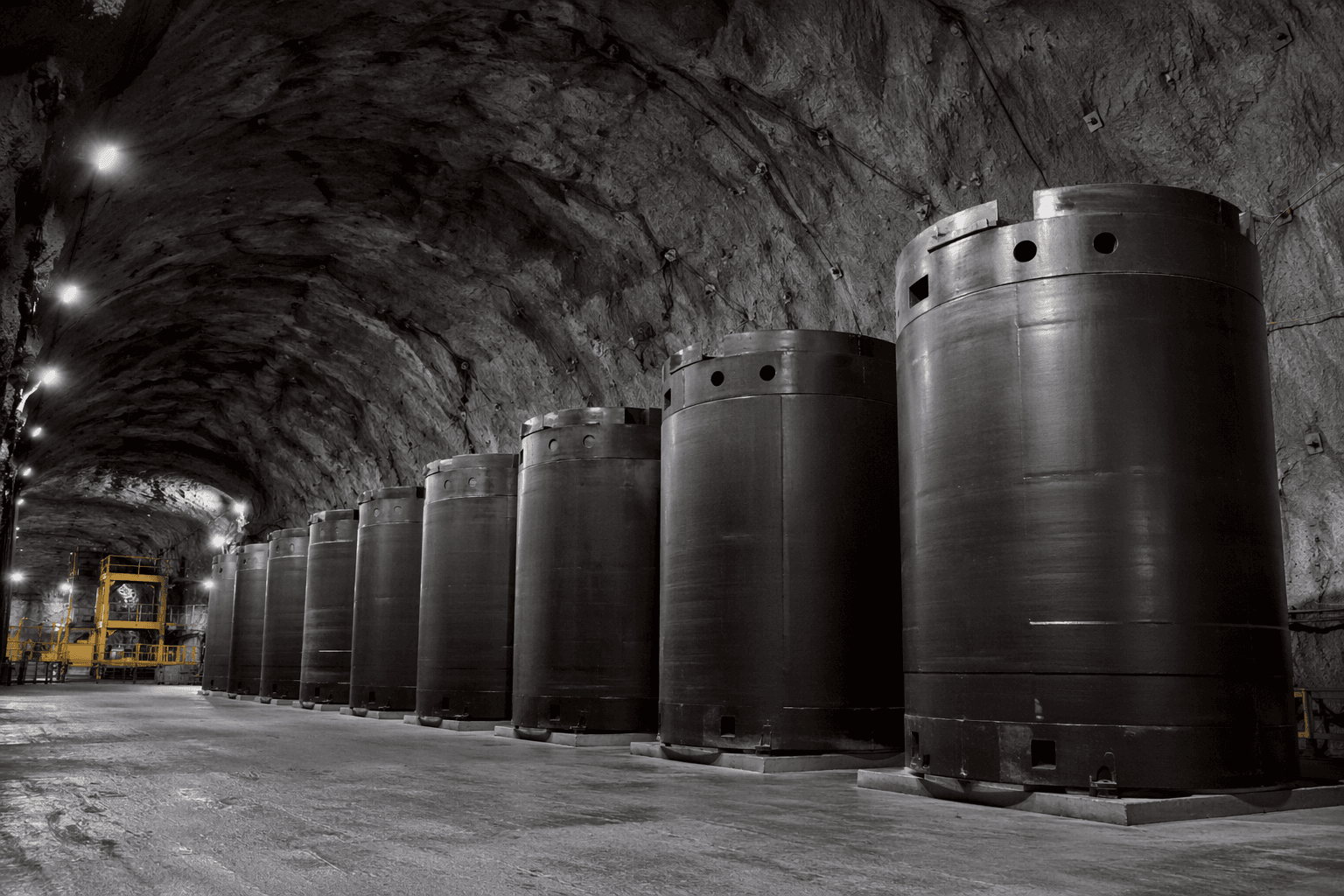
IAEA warns drones near Ukrainian nuclear plants raise safety risks
More than 160 drones were tracked near Ukraine’s nuclear plants in 24 hours, while Zaporizhzhia relied on backup power and Chornobyl faced fresh fire damage.
_67299.jpg&w=1920&q=75)
More than 160 drones were recorded flying near Ukraine’s nuclear power plants in a single 24-hour period, a grim marker of how normalized the threat has become around the country’s atomic sites. The International Atomic Energy Agency said the pattern showed that military activity around civil nuclear plants was not a one-off alarm but a persistent operating risk, with drones detected near Zaporizhzhia, Khmelnytskyy, Rivne and South Ukraine. Rafael Mariano Grossi said such activity at or near a major nuclear power plant was “clearly unacceptable.”
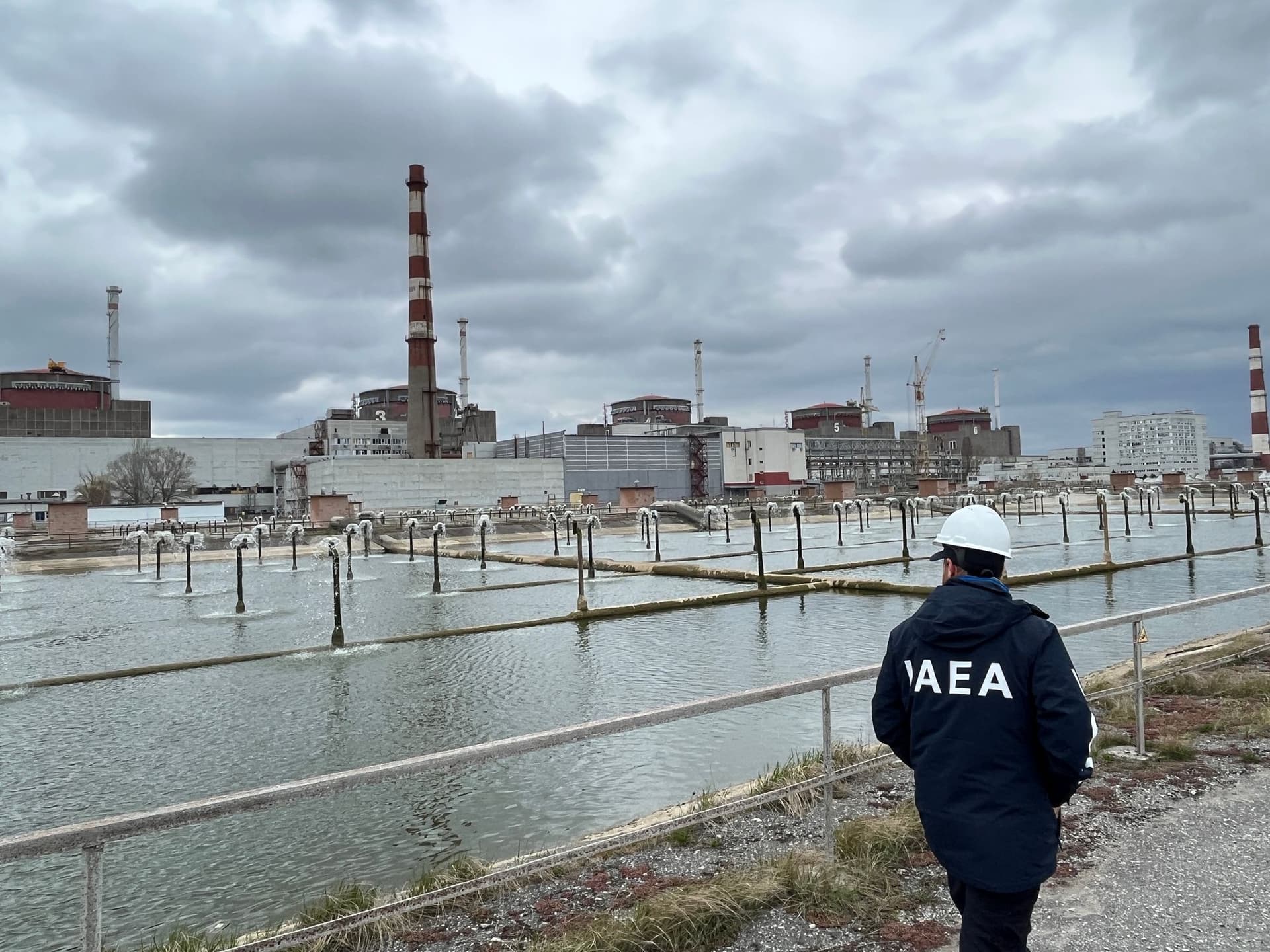
At Zaporizhzhia, Europe’s largest nuclear power plant, the pressure was not limited to airspace. The site’s main 750 kV Dniprovska line was disconnected on 24 March, leaving the plant dependent on its backup 330 kV Ferosplavna-1 line for seven weeks. Negotiations were still under way for a temporary local ceasefire that would allow essential repairs. The IAEA has also said the plant’s six reactors cannot be restarted as long as the military conflict continues, a reminder that operators can keep systems stable for only so long when off-site power, maintenance access and repair crews all sit inside the danger zone.
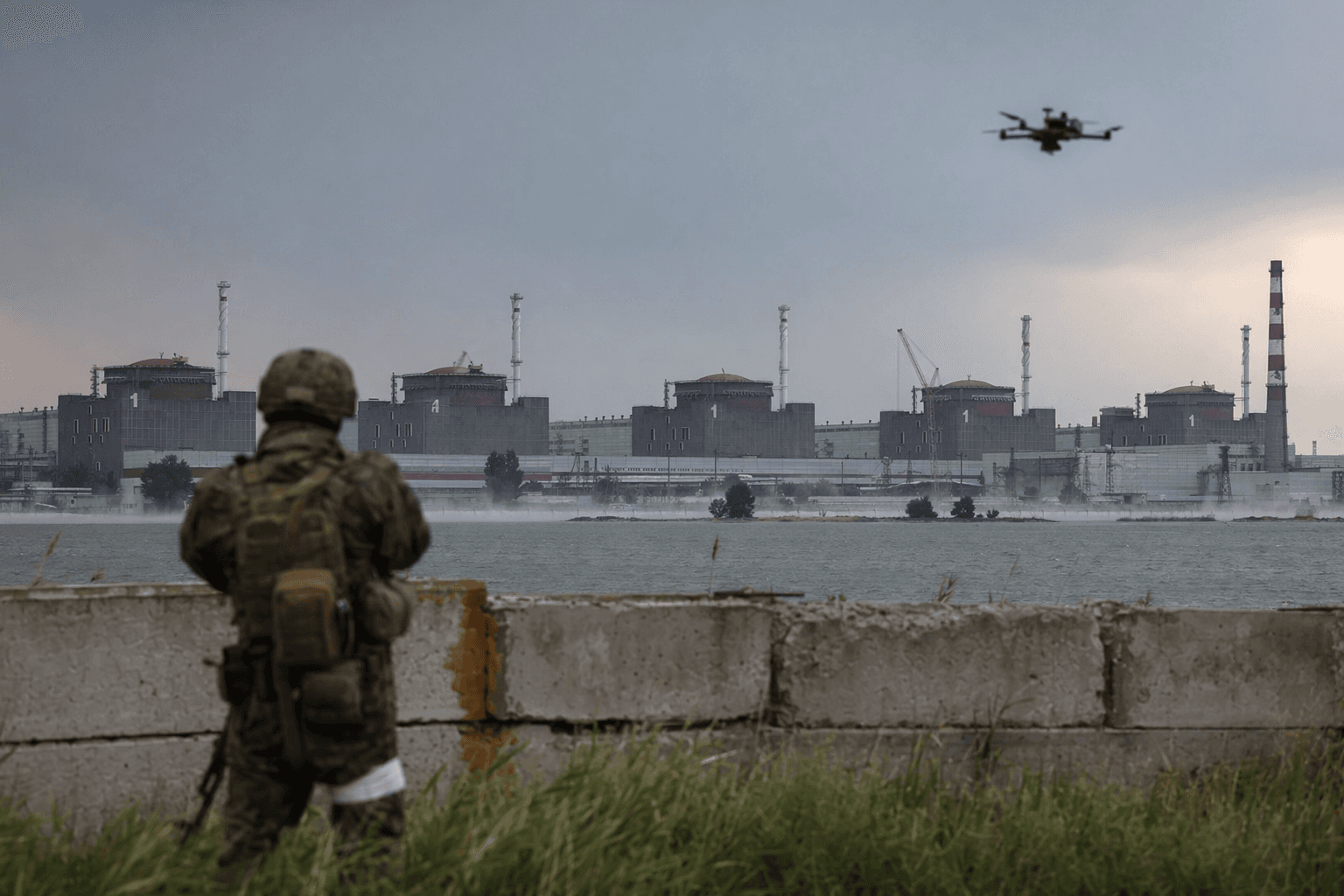
The larger lesson for civil operators is that they can harden systems, carry redundancy and monitor conditions, but they cannot fully defend against repeated drone activity, interrupted grid links or the loss of safe access to critical equipment. The latest warning made that gap plain: even when a plant itself is not directly hit, the stress on emergency planning, communications and external power can become its own safety problem.
The Chornobyl exclusion zone showed the same pattern in a different form. The IAEA said a fire broke out there after a drone impact, burning 1,100 hectares before it was brought under control and extinguished early in the week. The site reported no abnormal radiation levels, but Grossi warned that incidents like that could disturb contaminated materials and create radiological risks even without an immediate release. That risk had already been sharpened in February 2025, when a drone strike caused a fire and damaged the New Safe Confinement over reactor 4. By April 2025, Ukrainian engineers were carrying out temporary repairs, and the IAEA later said it was deploying additional staff for a comprehensive safety assessment of the damaged shelter.
Taken together, the drone sightings, the damaged Chornobyl shelter and the long reliance on backup power at Zaporizhzhia pointed to the same conclusion: in Ukraine’s nuclear sector, the danger is now sustained attrition, not a single dramatic strike.
This article was produced by Prism’s automated news system from verified source data, official records, and press releases, then run through automated quality and moderation checks before publishing. The system is built and supervised by the people who set the standards it runs under. Read our full AI policy.
Did this article answer your question?