L3Harris finalizes nuclear power source for future NASA deep-space missions
L3Harris locked down its next-gen RTG design, a 250-watt nuclear power source built to keep probes alive where solar panels fail.
_60721.jpg&w=1920&q=75)
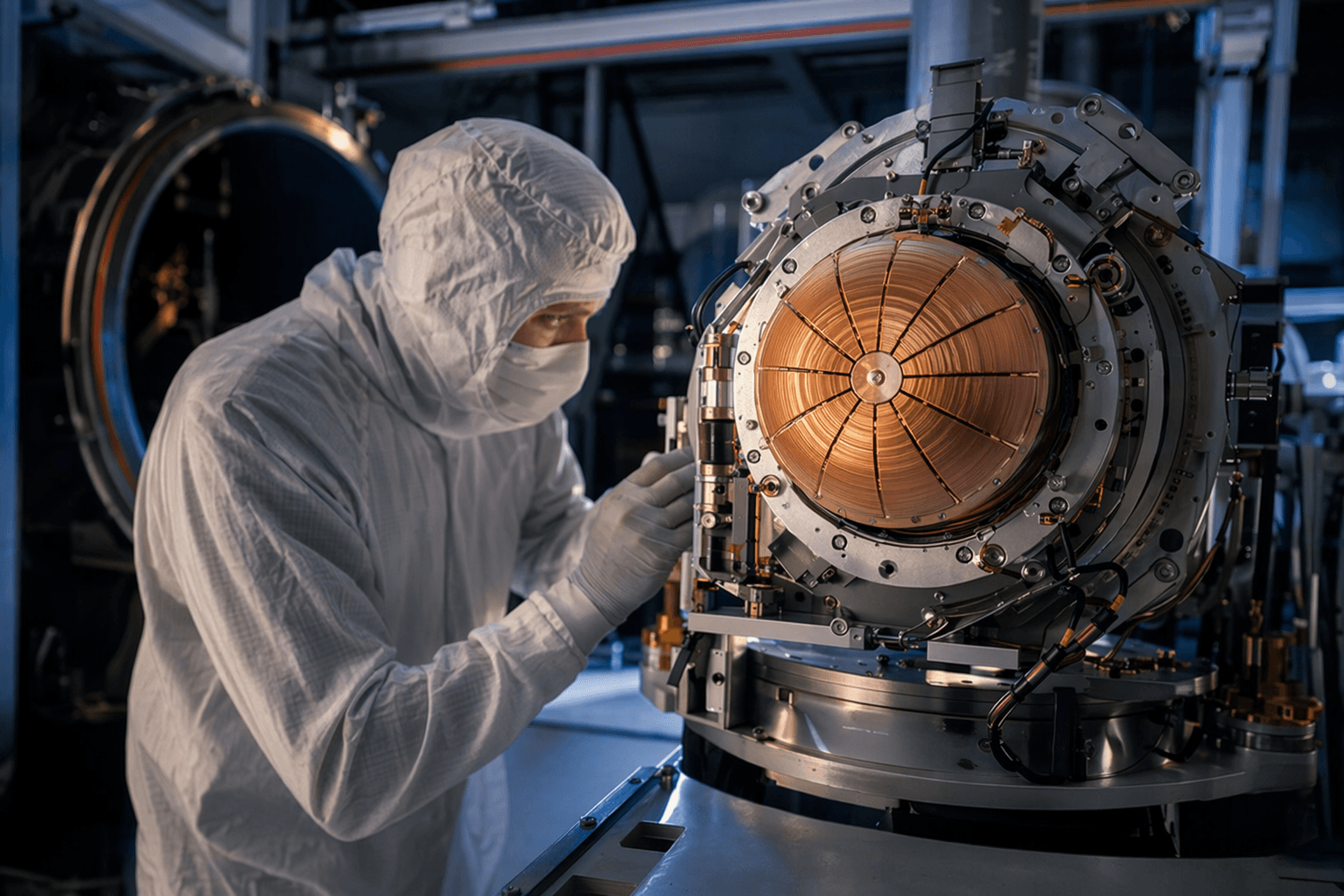
L3Harris Technologies has crossed a key line in the kind of space hardware that matters when sunlight is a rounding error. The company says its Next-Generation Radioisotope Thermoelectric Generator, or Next Gen RTG, has finished its design review, putting a 250-watt nuclear power source on the path toward deep-space missions that cannot rely on solar arrays.
The milestone came with the system’s critical design review on April 2, 2026. That matters because a completed design review is more than paperwork. It means the hardware has met its technical requirements and can move toward manufacture, which is the real bottleneck for a power source built around plutonium-238 and decades-long mission life. L3Harris says it has re-established a capability that had been limited for years.
NASA has spent decades using RTGs, or radioisotope thermoelectric generators, to convert heat from the natural decay of plutonium-238 into electricity through thermocouples. The agency says radioisotope power systems have supported more than two dozen U.S. missions since the 1960s, from Viking and Pioneer 10 and 11 to the probes still working today. Voyager 1 and Voyager 2 remain active, and so do Curiosity and Perseverance. That track record is why RTGs still occupy a narrow but essential lane in planetary exploration: they deliver electricity and heat for the darkest, dustiest and most distant places in the solar system.
L3Harris says the new design is optimized for vacuum rather than a planetary atmosphere, a practical distinction that gives it better heat rejection and makes it better suited for outer-solar-system probes. NASA’s current model, the Multi-Mission RTG, is designed for either vacuum or planetary atmospheres, but the Next Gen RTG is aimed squarely at future deep-space missions that need more from a compact source. NASA’s Next Gen program dates back to 2016, after earlier study work in 2015, and it was set up to develop high-power, vacuum-rated RTGs for missions running into the late 2020s and beyond.
The company says flight units could support NASA deep-space probes in the early 2030s, including a proposed Uranus orbiter that would use two Next Gen RTGs for power and for keeping temperature-sensitive components warm enough to survive the frigid outer solar system. That is the real test here. Where solar power fades fast, nuclear heat and electricity keep instruments alive, heaters on, and telemetry flowing long after launch.
This article was produced by Prism’s automated news system from verified source data, official records, and press releases, then run through automated quality and moderation checks before publishing. The system is built and supervised by the people who set the standards it runs under. Read our full AI policy.
Did this article answer your question?