Framatome and Czech centre team up on research reactor fuel methods
Framatome and CVŘ locked in a fuel-methods pact for LVR-15 and LR-0, tying reactor reliability, isotope supply, and future fuel qualification together.
_49071.jpg&w=1920&q=75)
Framatome has formalized a technical cooperation agreement with Research Centre Řež, or CVŘ, in a move that puts two Czech research reactors at the center of a much bigger fuel and operations story. Signed in Řež on 12 May 2026, the deal is meant to develop methodological approaches for running LVR-15 and LR-0 with different fuel types, a practical step that could help extend reactor life, improve operating reliability, and sharpen the fuel-qualification path for future programs.
For CVŘ, the agreement extends more than 10 years of joint work in nuclear safety and fuel development. The centre says the partnership supports the safe and sustainable operation of its research reactors, and that it fits a broader push to build European know-how in nuclear research and strengthen technological sovereignty. The work is not abstract. It is aimed at the daily mechanics of operating reactors that do real jobs: producing isotopes, testing materials, and validating the physics tools that bigger reactors depend on.
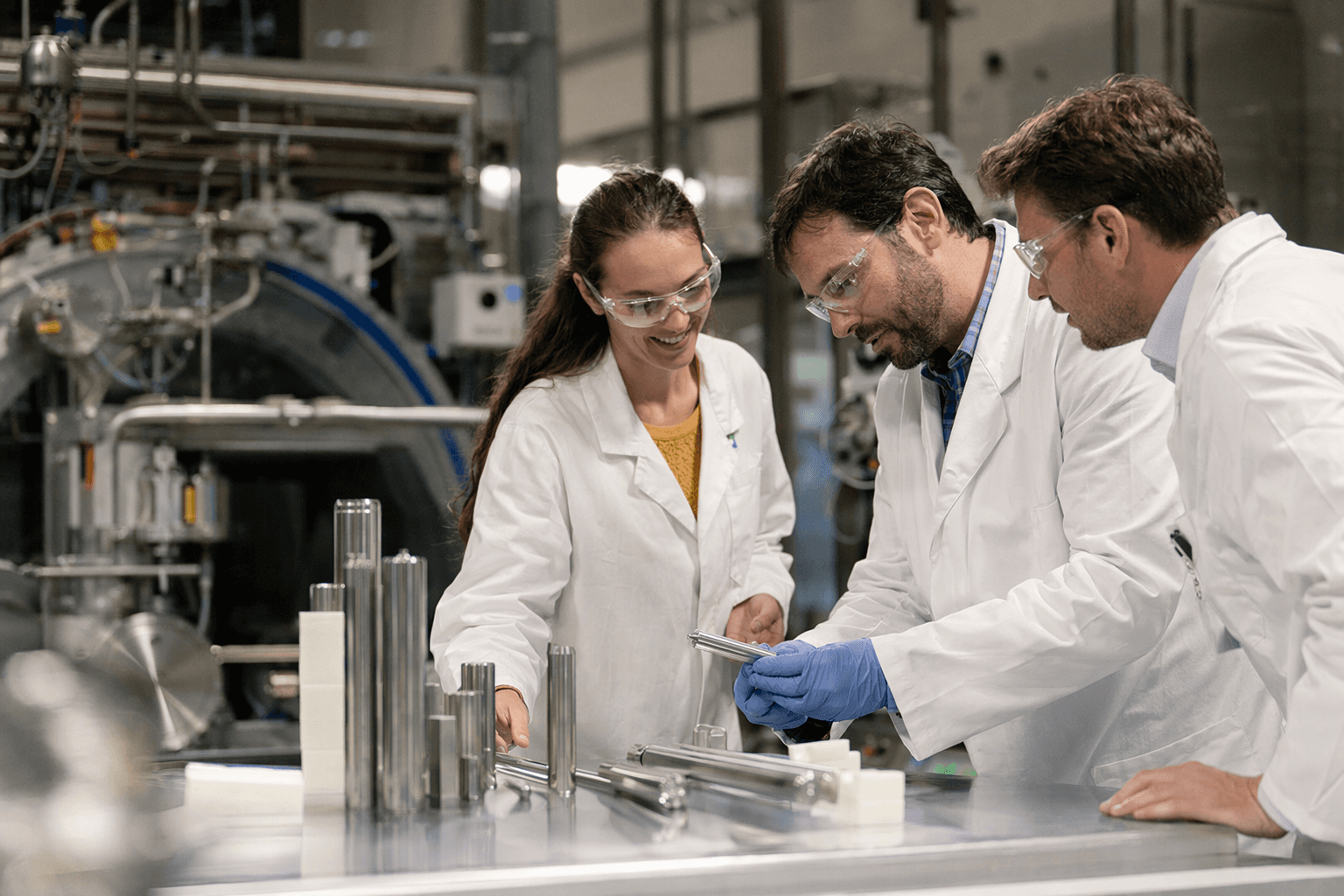
LVR-15 is the workhorse in that picture. The 10 MW light-water moderated and cooled tank-type reactor began operating in 1957 and has been refurbished several times. CVŘ says it is used for material irradiation experiments, neutron-beam work such as neutron radiography, and radiopharmaceutical production, including molybdenum-99. It typically runs in roughly three-week campaigns, then shuts down for 10 to 14 days of maintenance and refuelling. IAEA material describes the reactor as operating in 21-day cycles, about 8 to 10 a year. That matters far beyond Řež: Mo-99 feeds technetium-99m, which is used in roughly 80% of nuclear medicine procedures worldwide.
The smaller LR-0 reactor plays a different but equally important role. With a maximum thermal power of just 1 kW, it is a benchmark facility for validating nuclear data and computational methods used in pressurized water reactor safety studies. CVŘ says LR-0 can model virtually any power-reactor configuration to verify neutron-physical characteristics. It entered permanent operation on 23 June 1983 after conversion from the earlier heavy-water zero-power reactor TR-0, and its fuel rods use zirconium-alloy cladding and uranium oxide tablets enriched up to 4.4% U-235.
The new working group will build neutronics calculation models from operating experience at LVR-15, define the engineering approach, and carry out analyses for mixed-core studies and future optimization scenarios. That is the real significance of the deal: research reactors like LVR-15 and LR-0 are where fuel concepts, validation methods, and operating habits get tested before they ripple into the commercial nuclear pipeline. LVR-15 has already shown that flexibility, including its selection in 2024 for testing high-temperature superconducting tapes for the UK STEP fusion prototype.
This article was produced by Prism’s automated news system from verified source data, official records, and press releases, then run through automated quality and moderation checks before publishing. The system is built and supervised by the people who set the standards it runs under. Read our full AI policy.
Did this article answer your question?