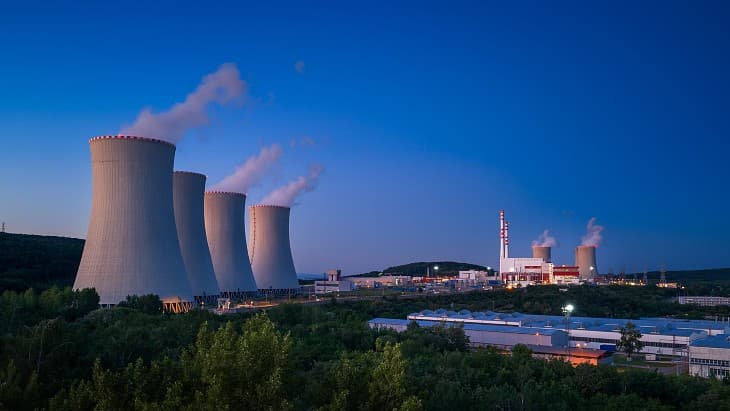
Belgium moves to take direct control of ENGIE nuclear fleet
Belgium opened exclusive talks to buy ENGIE’s seven-reactor fleet, putting staffing, waste and decommissioning under direct state control.
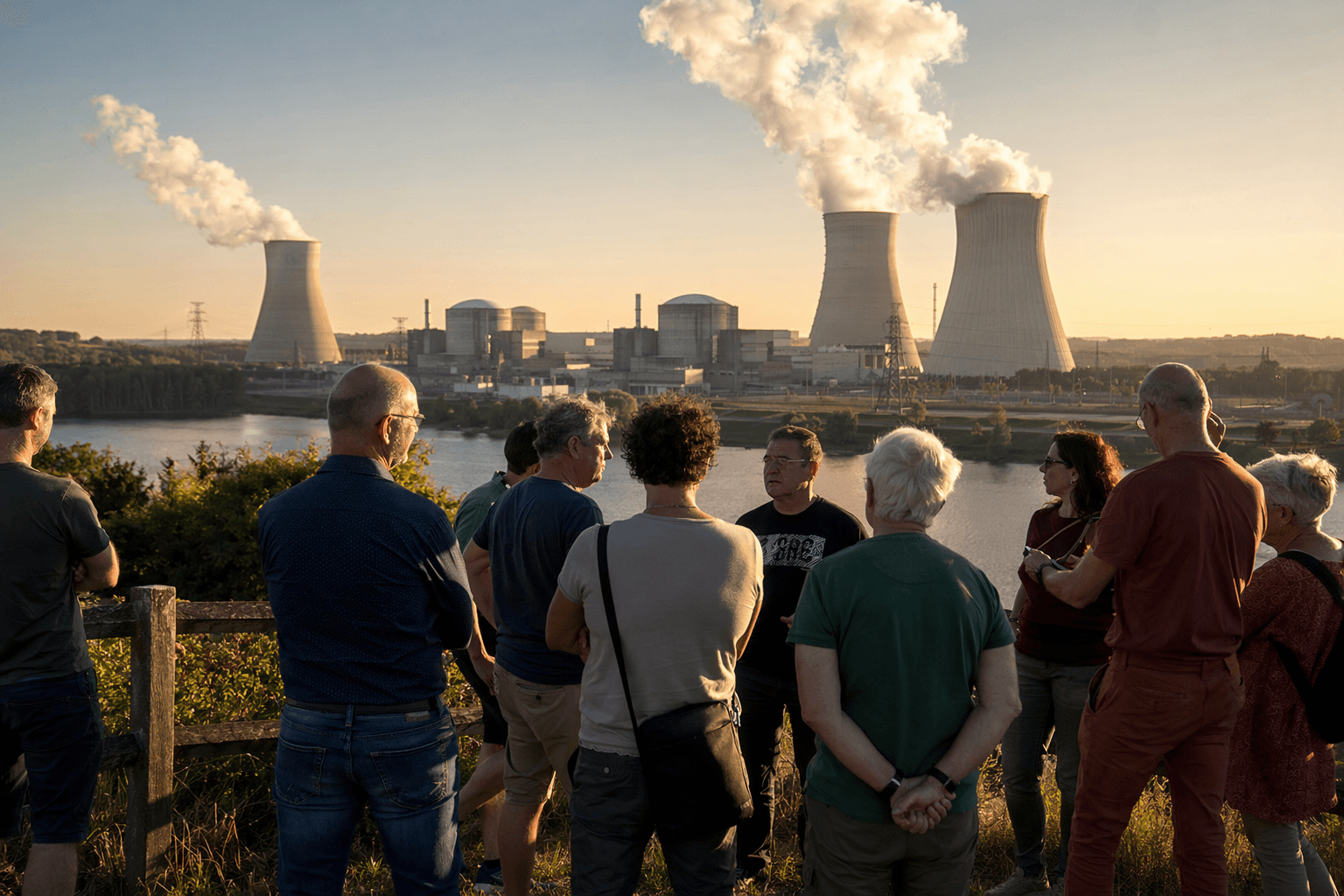
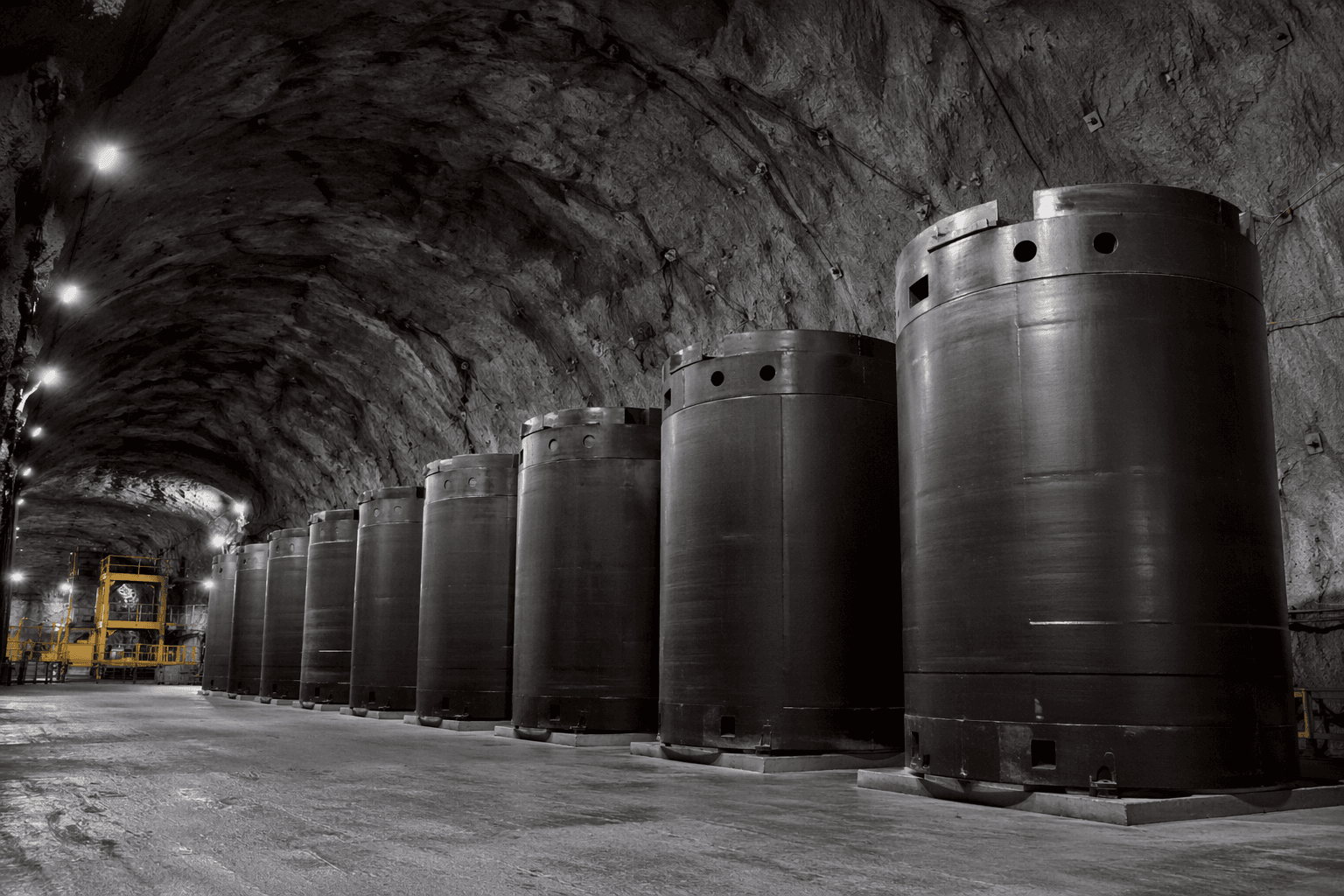
Belgium is no longer just bargaining over reactor lifetimes. By opening exclusive negotiations with ENGIE on April 30, 2026, the Belgian state moved toward direct ownership of the country’s full nuclear fleet, a shift that would pull seven reactors, their personnel, subsidiaries, assets, liabilities and long-term decommissioning and dismantling obligations under state control.
The talks rest on a Letter of Intent, not a binding sale, but the scope is broad enough to reshape Belgium’s nuclear model. ENGIE said the contemplated transaction covers the complete fleet of reactors owned and operated by ENGIE and Electrabel and their affiliates. The parties set a target of concluding heads of terms by October 1, 2026, while interim arrangements keep the nuclear activities intact and suspend decommissioning and dismantling work so the state retains maximum flexibility.
The timing matters because Belgium has already spent years unwinding its old anti-nuclear posture. On June 28, 2023, ENGIE and the Belgian federal government signed an interim agreement to extend Doel 4 and Tihange 3 for 10 years. ENGIE said those two units have more than 2 GW of combined capacity and had been slated to end production in 2025. A final agreement followed on December 13, 2023, and the deal closed on March 14, 2025, alongside the transfer of responsibility for nuclear waste.
That sequence turned into a political signal inside Belgium. Government messaging in 2025 described the overhaul as a return to nuclear after two decades of blockage and hesitation, and said the changes were being handled with industrial actors, sector experts and safety authorities. Mathieu Bihet’s office said the European Commission gave the green light for the agreement allowing Doel 4 and Tihange 3 to operate until 2036.
For Prime Minister and energy planners, direct ownership could solve a basic problem that the reactor-by-reactor model never fully settled: who controls the fleet, who pays for the liabilities, and who decides whether the units live long enough to matter in Belgium’s supply mix. A state-controlled structure could make it easier to align reactor life-extension, investment decisions and energy-security planning, especially if Brussels wants to preserve the option of adding new nuclear capacity later. It also raises the stakes for regulators and other third parties, because the outcome will determine whether Belgium’s nuclear reset becomes a durable ownership model or a bespoke fix built around ENGIE’s fleet.
This article was produced by Prism’s automated news system from verified source data, official records, and press releases, then run through automated quality and moderation checks before publishing. The system is built and supervised by the people who set the standards it runs under. Read our full AI policy.
Did this article answer your question?