Utah reactor to power first electricity test for mini AI data center
A 50-year-old Utah TRIGA made its first electricity, but only enough for a tiny AI load. The demo is a test of nuclear-powered computing, not a campus solution.
A 50-kilowatt thermal trickle from a 50-year-old research reactor was enough to make a point, not to light up a campus. The University of Utah said its TRIGA Mark I reactor will generate electricity for the first time in its history and use it to run a mini AI data center, turning a longtime training machine into a live test case for nuclear-powered compute.
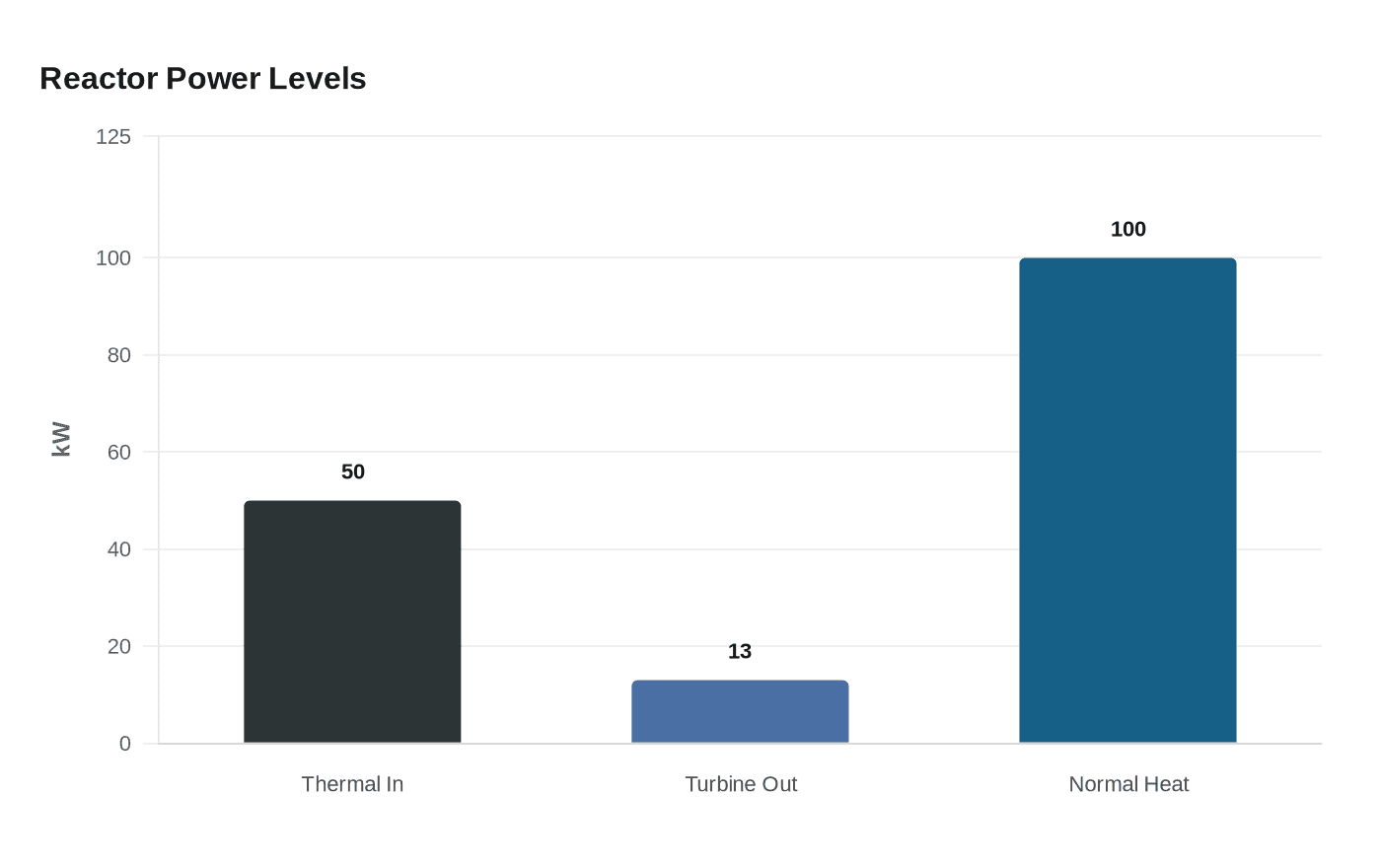
The project pairs the university with Elemental Nuclear Energy Corporation and the John and Marcia Price College of Engineering’s Nuclear Engineering Program. The reactor has operated at the University of Utah since 1975 and normally produces 100 kilowatts of thermal energy for research and training, with that heat carried away by cooling systems instead of being captured for power. In this demonstration, the reactor’s heat will be routed into a compact helium-based power cycle, driving a turbine and a GPU node running an AI workload.
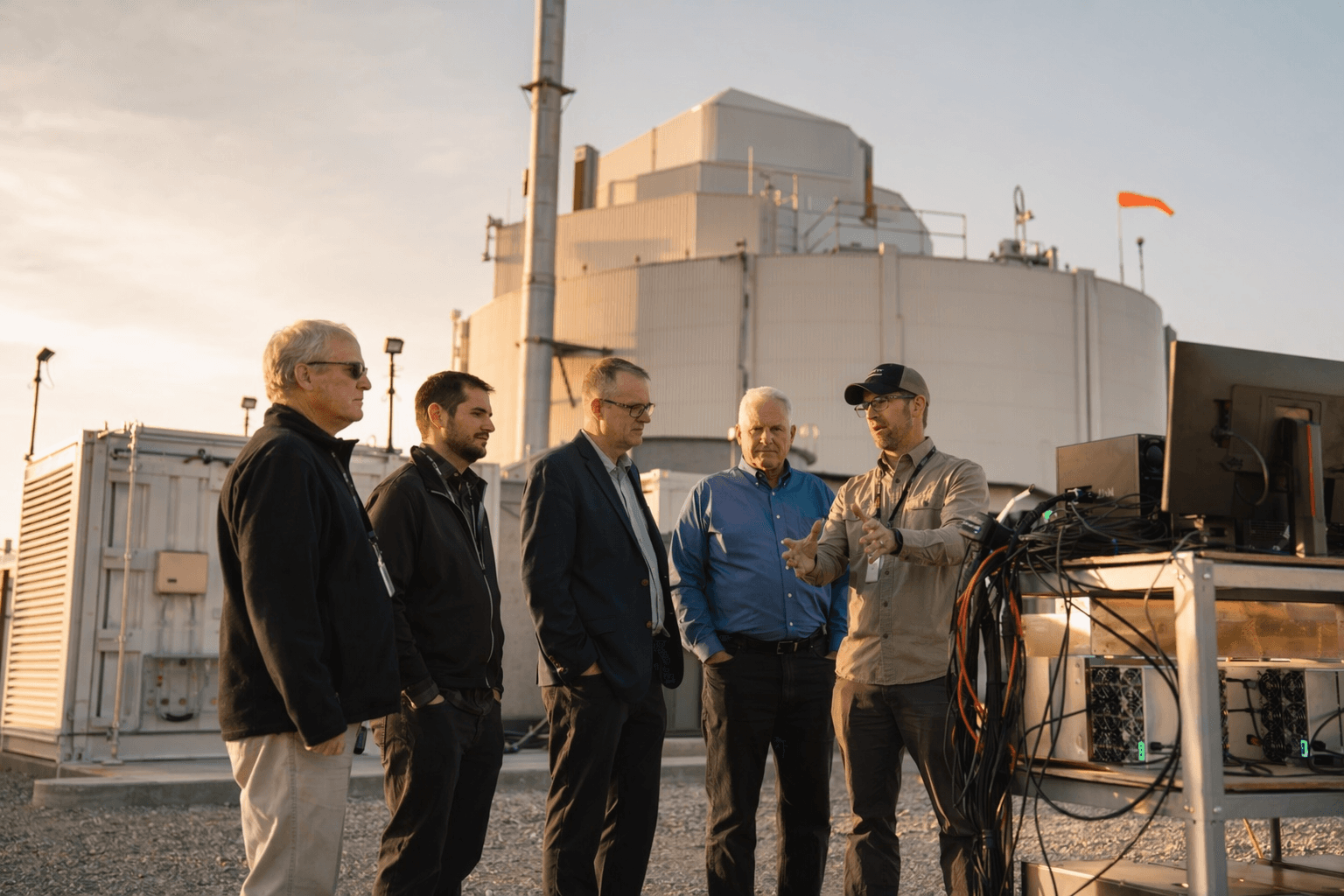
The scale is deliberately small. The university said the setup is designed around about 50 kilowatts of thermal input, roughly 13 kilowatts of turbine output and net electrical generation of about 2 to 3 kilowatts. That is nowhere near enough to run a modern data center in any meaningful sense. It is enough, though, to prove the architecture, show students a full heat-to-electricity chain and demonstrate that a microreactor-style system can be physically tied to computing hardware.
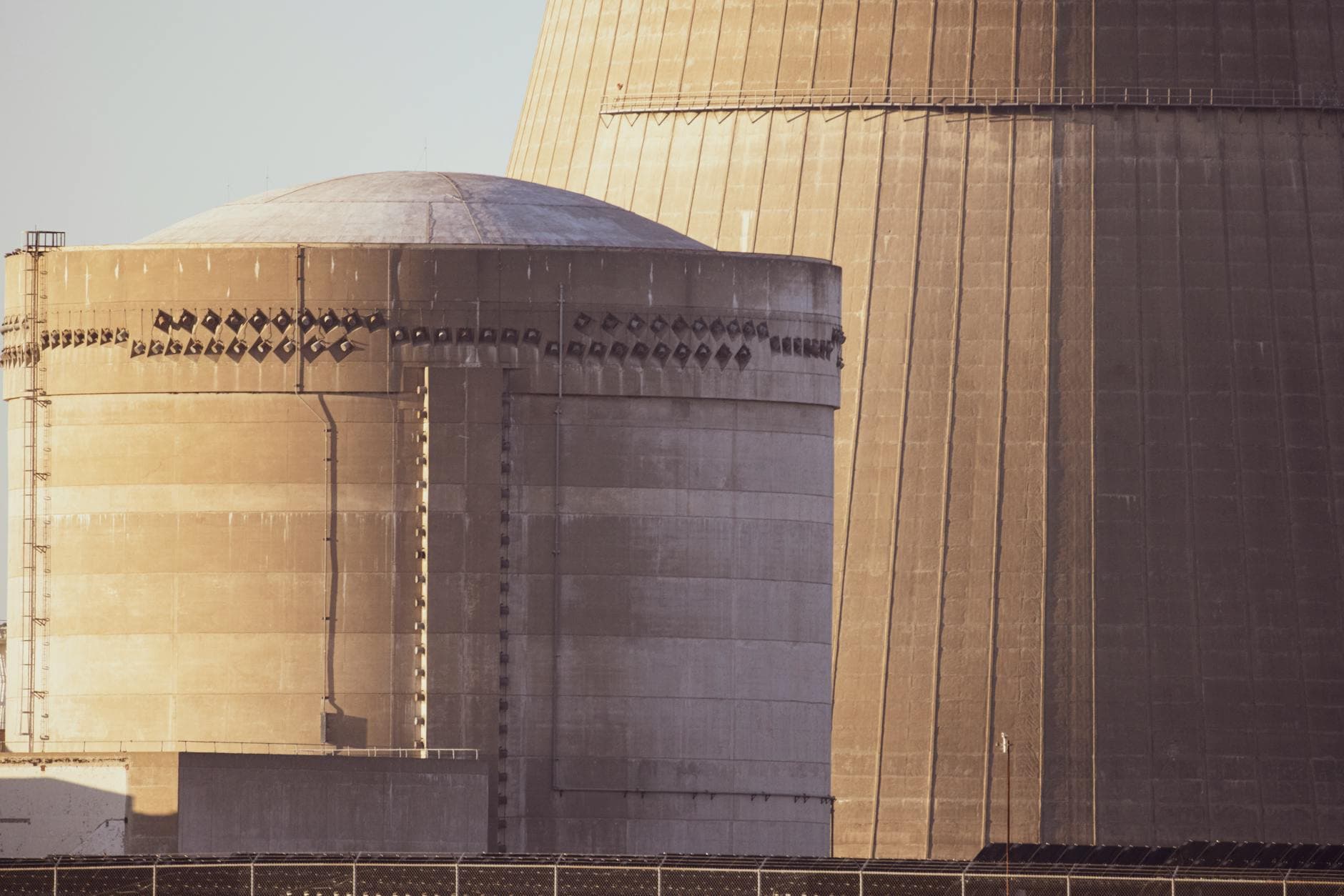
That distinction matters because data centers are becoming one of the clearest demand signals in the power sector. The International Energy Agency projects global electricity demand from data centers will rise from 460 terawatt-hours in 2024 to more than 1,000 terawatt-hours in 2030 in its base case. Utah’s experiment does not answer how to feed that appetite at scale. It does offer a visible, on-campus proof that nuclear heat can be turned into usable power for computing without leaving the reactor hall.
The reactor had been under repair for about two years before returning to operation in December 2025, just in time for its 50th birthday. The university says it is one of the few on-campus research reactors in the United States and the only nuclear engineering program in Utah. That gives the demonstration an unusual kind of significance: an academic reactor, built for training next-generation nuclear engineers, is now being asked to show what a future of nuclear for compute might look like, one tiny GPU node at a time.
This article was produced by Prism’s automated news system from verified source data, official records, and press releases, then run through automated quality and moderation checks before publishing. The system is built and supervised by the people who set the standards it runs under. Read our full AI policy.
Did this article answer your question?