Rosatom completes BN-800 test of actinide-burning MOX fuel assemblies
Rosatom’s BN-800 has finished a year-and-a-half test of MOX fuel seeded with americium-241 and neptunium-237, a live data point for actinide burning.
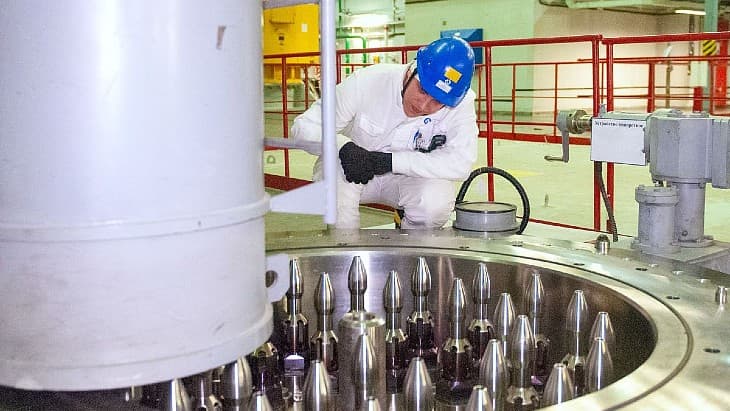
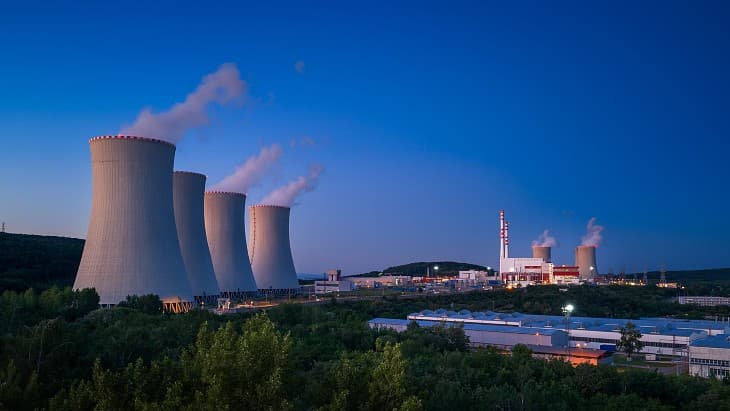
Rosatom has finished a rare fuel-cycle experiment that goes straight at one of nuclear power’s hardest problems: the minor actinides that linger in spent fuel for very long times. Three trial uranium-plutonium MOX assemblies containing americium-241 and neptunium-237 completed their pilot run in the BN-800 fast reactor at Beloyarsk, giving Rosatom an industrial-scale test of whether fast-neutron systems can do more than just generate power.
The bundles were manufactured at the Mining and Chemical Combine in Zheleznogorsk, in the Krasnoyarsk region, in late 2023. They were loaded into the BN-800 core in the summer of 2024 and then ran through three micro-campaigns over about a year and a half. Rosatom said the assemblies are now cooling in the used fuel pool before post-irradiation studies begin, the stage that will show how the fuel behaved under real reactor conditions and how the minor actinides were affected.
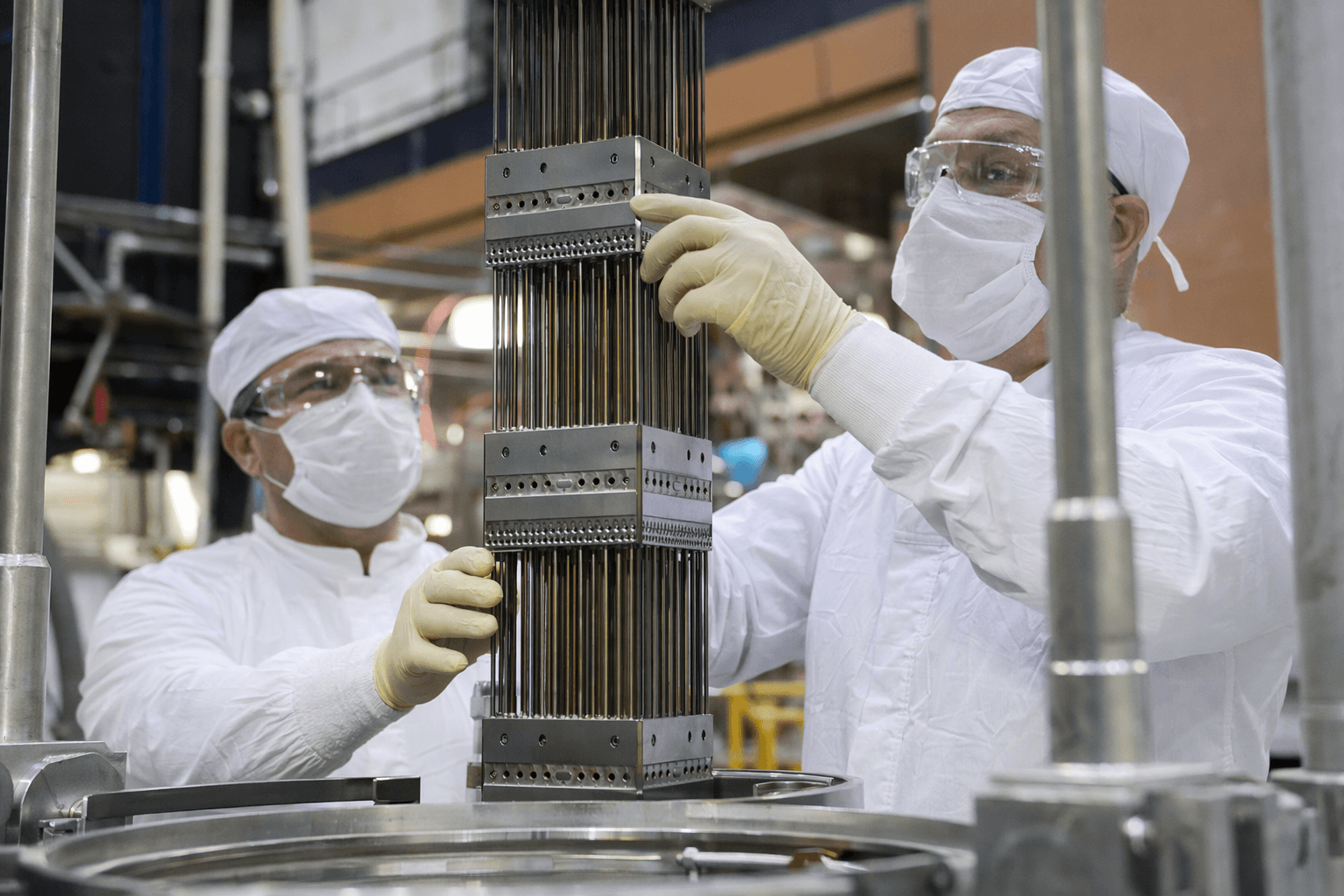
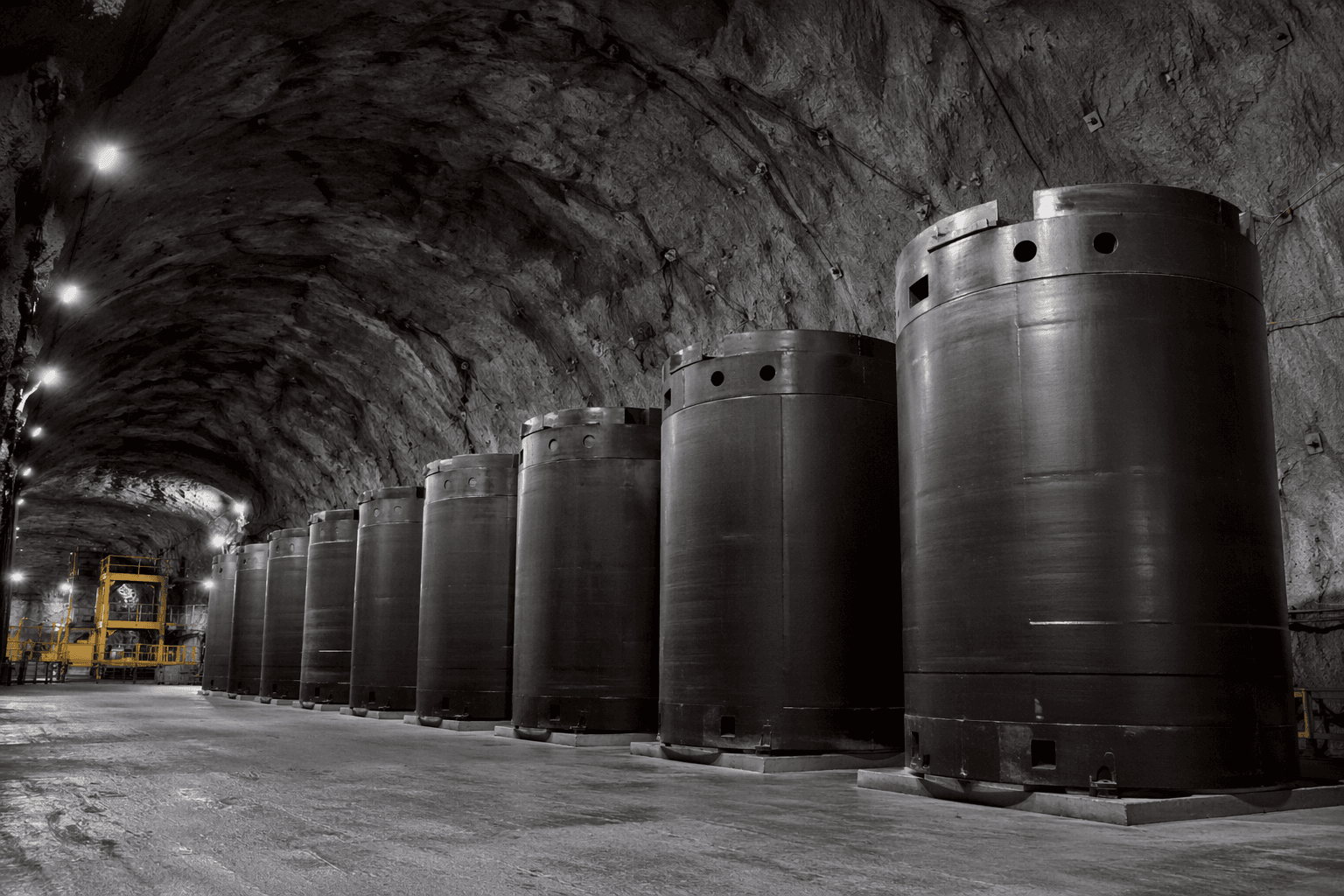
That is the important distinction here. The pilot does not prove a closed fuel cycle, and Rosatom is not claiming it does. What it does show is that actinide-bearing MOX fuel can be manufactured, loaded, and operated in a commercial fast reactor, while giving researchers hard data on whether americium and neptunium can be transmuted into more stable or shorter-lived isotopes. For the waste question, that is the move that matters: not just keeping the fuel intact, but demonstrating a practical path to shrinking the long-lived radiotoxic inventory that makes final disposal so demanding.
The BN-800 gives the experiment commercial weight. The reactor has been operating commercially since 2016, and Rosatom said its core was fully loaded with uranium-plutonium MOX fuel after refueling. TVEL, Rosatom’s fuel division, supplies fuel for Russia’s BN-600 and BN-800 fast reactors and is working on the BN-1200M follow-on design. TVEL also says its fuel is used at nuclear power plants in 15 countries and at every sixth power reactor worldwide, which is why a result like this carries beyond one plant at Beloyarsk.
Rosatom has framed the work as part of a broader closed fuel-cycle strategy aimed at reducing the volume and toxicity of radioactive waste over very long timescales. That strategy also shows up in related research: VNIINM says Rosatom began developing Russia’s first research liquid-salt reactor in 2019 to test afterburning of long-lived waste, including minor actinides. For fast reactors, the BN-800 trial is now a measurable step away from theory and toward actual waste-burden reduction.
This article was produced by Prism’s automated news system from verified source data, official records, and press releases, then run through automated quality and moderation checks before publishing. The system is built and supervised by the people who set the standards it runs under. Read our full AI policy.
Did this article answer your question?