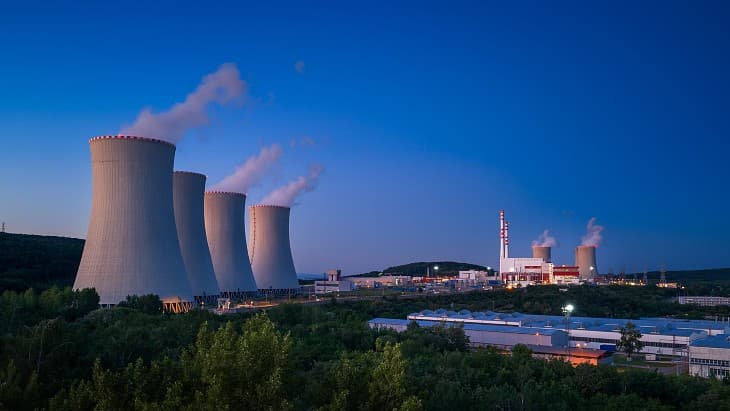
Lufeng 5 clears cold testing, advances toward commissioning in Guangdong
Lufeng 5 has left installation behind after a 10-day cold test, putting Guangdong’s first eastern-coast nuclear project on the road to hot tests and fuel loading.
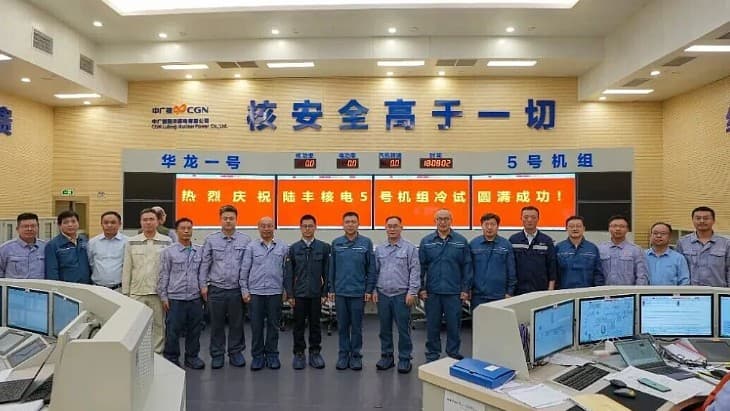
Cold functional testing is the moment a reactor stops being a construction site and starts behaving like a plant. At Lufeng 5 in Guangdong province, China General Nuclear said the HPR1000 unit completed that check after a 10-day run that began on April 17, moving the unit out of installation and into commissioning.
That matters because cold testing is not a ceremonial box-tick. It verifies that the primary circuit is leak-tight, that the pressure vessel, piping and valves were installed correctly, and that major reactor and auxiliary systems can interact as designed. It also cleans the main circulation pipes and gives operators a first integrated look at how the unit behaves before the plant is heated up, loaded with fuel and pushed toward criticality.
For Lufeng 5, the milestone showed a Hualong One unit clearing the first major hurdle on the path to start-up. The next steps are hot functional testing, then fuel loading, then first criticality and grid connection, the familiar sequence that turns a newly built reactor into an operating generating unit.
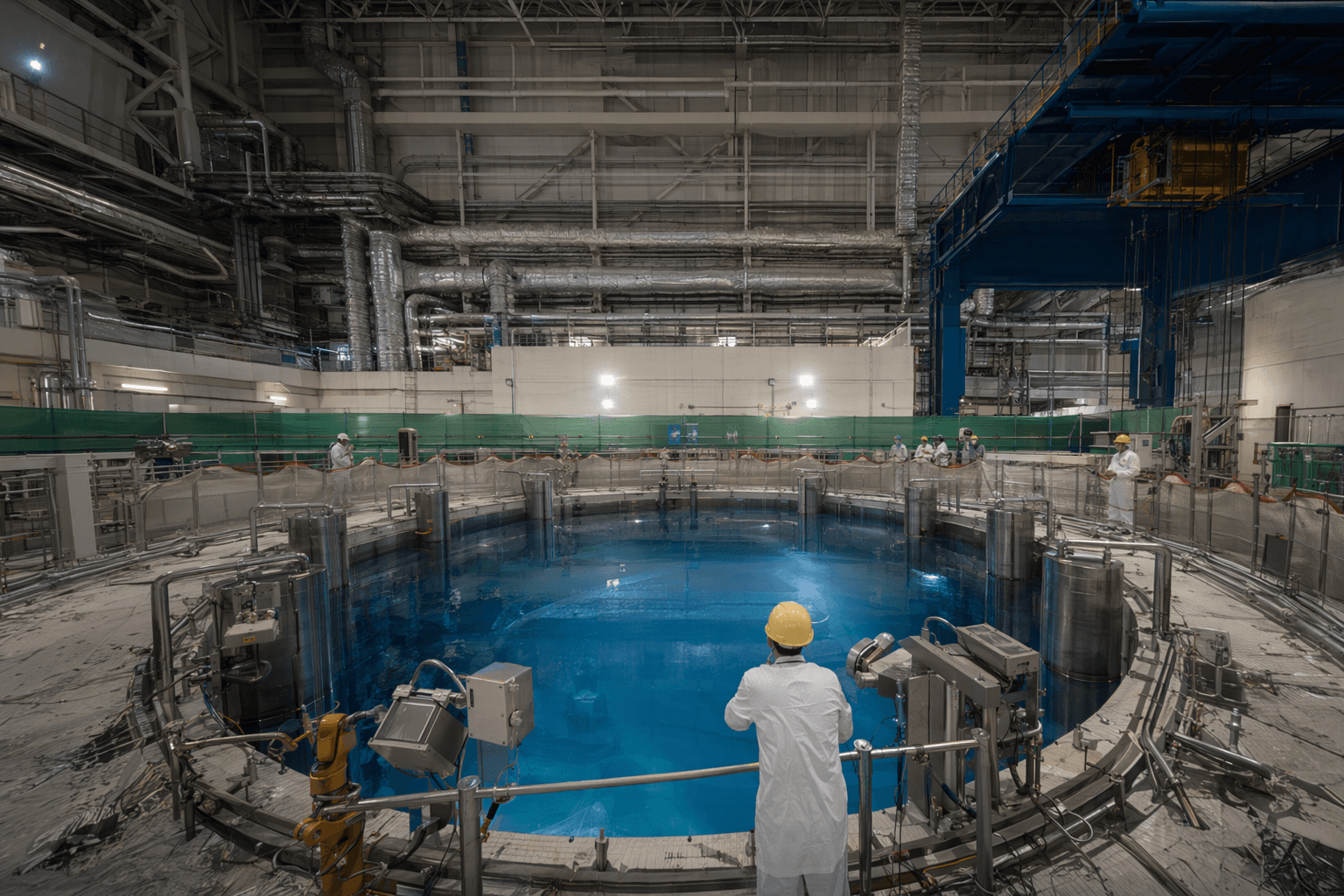
Lufeng is a useful case study in how China’s standardized reactor program has been scaling. The six-unit site in eastern Guangdong is planned as the province’s first nuclear power project on that coast, and CGN says the completed plant is expected to produce about 52 billion kilowatt-hours a year, with emissions cuts equivalent to planting roughly 120,000 hectares of trees. That is the kind of utility-scale payoff that explains why each commissioning milestone gets watched so closely.
The buildout has not been linear. CGN’s project information says units 5 and 6 started construction on September 8, 2022, and August 26, 2023, while unit 1 reached main construction start on February 24, 2025. Four units have been approved so far, with units 1 and 2 only cleared in 2024 after a long regulatory run and units 3 and 4 still pending. Even so, Lufeng 5 is now moving at the pace expected for a standardized Hualong One fleet build, neither lagging badly nor sprinting ahead, but progressing in the measured sequence that characterizes China’s recent large reactor projects.
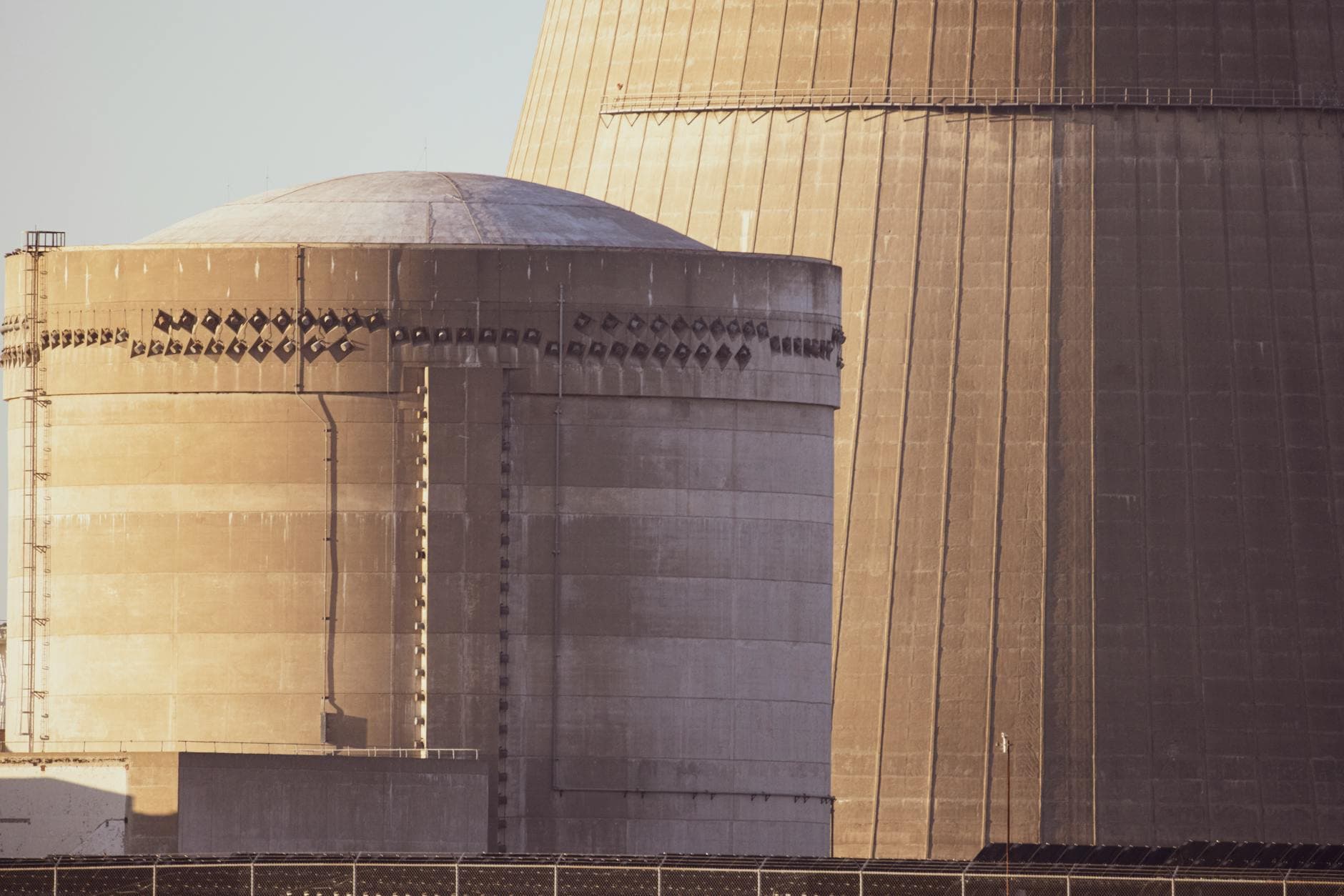
CGN’s broader nuclear footprint helps explain the significance. As of June 30, 2025, the company said it operated 28 nuclear power units and had 20 under construction. Lufeng 5 is part of that wider deployment machine, one more Hualong One unit advancing from civil works into the sharp-edged, highly procedural world of commissioning, where the path to first power finally becomes visible.
This article was produced by Prism’s automated news system from verified source data, official records, and press releases, then run through automated quality and moderation checks before publishing. The system is built and supervised by the people who set the standards it runs under. Read our full AI policy.
Did this article answer your question?