BLM approves EnCore’s Dewey Burdock uranium project in South Dakota
BLM cleared EnCore to build Dewey Burdock’s federal-side infrastructure, but uranium extraction still sits behind NRC renewal and other permit gates.
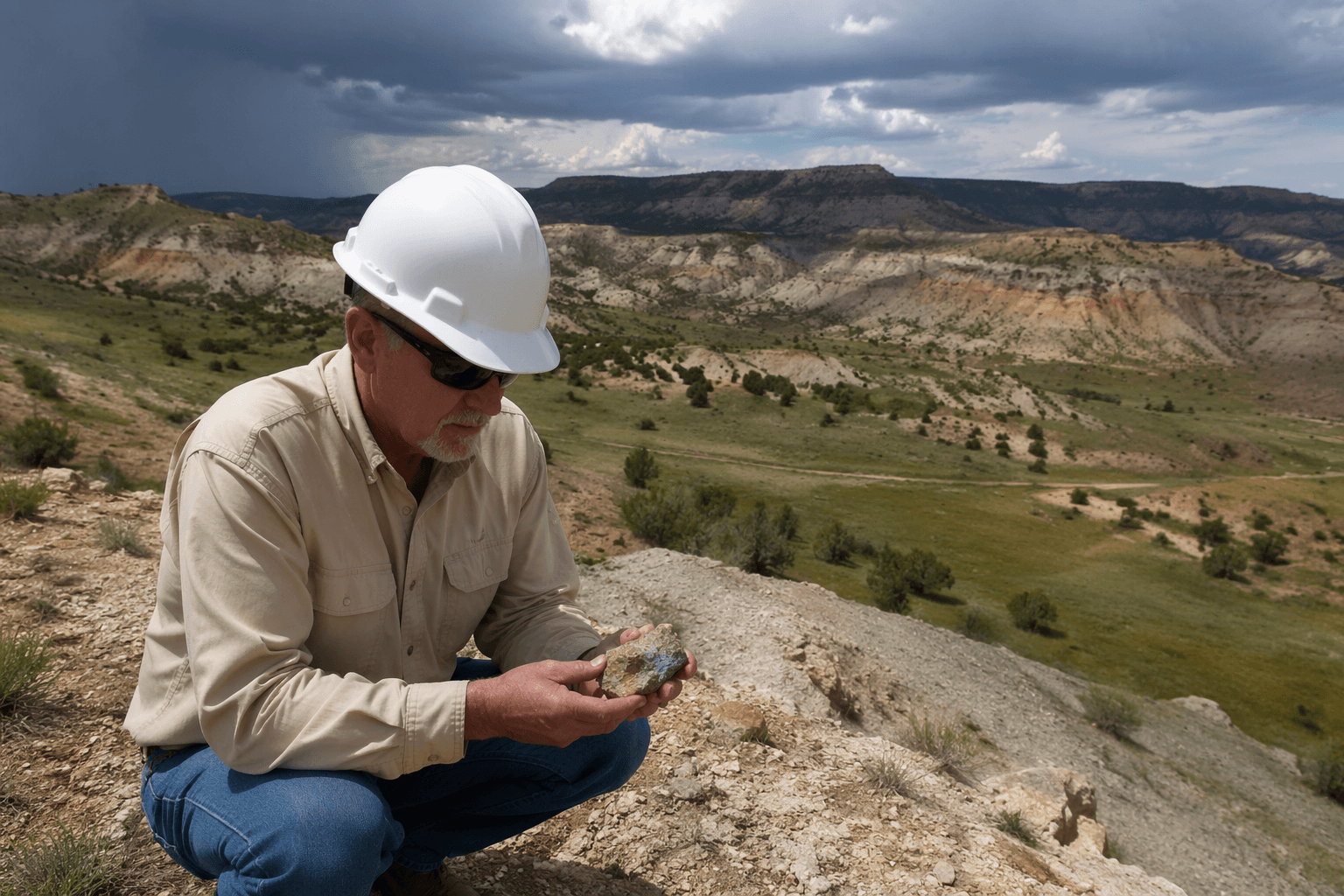
The Bureau of Land Management cleared EnCore Energy’s Dewey Burdock uranium project in southwestern South Dakota, authorizing construction of access roads, four groundwater monitoring wells and overhead power lines across about 240 acres of federal land. The approval, issued June 18, marked a concrete step for a project that still cannot move straight into production on public land.
BLM said the work is limited to ancillary infrastructure and that total disturbance on BLM-managed land will be about 4.2 acres inside a much larger 10,580-acre project area. No production well fields, processing facilities, wastewater impoundments or uranium extraction activities were approved on BLM-administered land. The agency’s environmental assessment was tiered to the Nuclear Regulatory Commission’s 2009 generic environmental impact statement and the NRC’s 2014 supplemental EIS for Dewey Burdock.
The project sits in Fall River County and Custer County, about 13 miles northwest of Edgemont, and Fast-41 materials describe it as an in-situ recovery uranium project that injects lixiviant into sandstone ore bodies and pumps uranium-bearing solution to a central processing plant. That matters because ISR projects live or die on sequencing: land access, groundwater monitoring, surface construction and licensing all have to line up before they can become a steady source of feedstock for the nuclear fuel chain.
EnCore says Dewey Burdock contains 14.3 million pounds measured and 2.8 million pounds indicated of U3O8 in the Edgemont uranium district, and the company has said Powertech has worked on the project for more than 16 years. EnCore acquired the asset from Azarga Uranium in 2022, and the project was added to the Fast-41 Program in 2025 as federal officials pushed to speed mineral production.
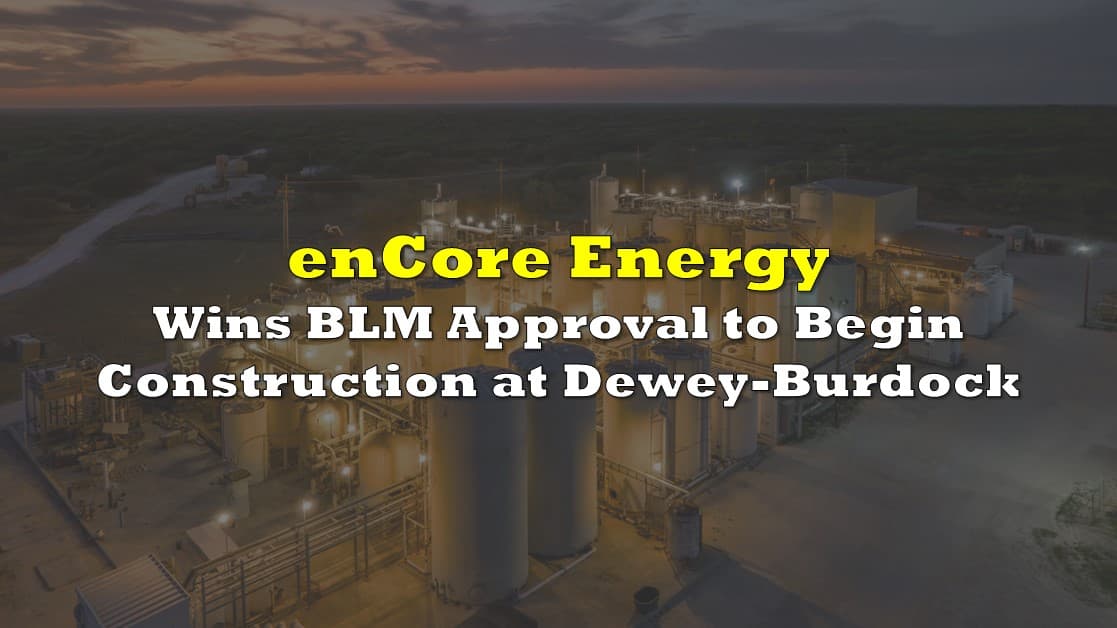
The NRC side of the file is still moving. Powertech first submitted the Dewey-Burdock license application in August 2009, and the commission’s final environmental review for the original project came out in January 2014. The NRC approved source and byproduct material license SUA-1600 in 2014, but Powertech filed a 20-year renewal request on March 4, 2024, and the agency issued an environmental assessment and finding of no significant impact on June 17, 2026. The NRC also transmitted a final Section 106 Programmatic Agreement on June 4.

That long arc is the real story behind the federal approval: BLM has now opened the door for the on-the-ground infrastructure, but the project still has to keep clearing the licensing and review steps that stand between a permitted uranium site and actual material for reactor operators.
This article was produced by Prism’s automated news system from verified source data, official records, and press releases, then run through automated quality and moderation checks before publishing. The system is built and supervised by the people who set the standards it runs under. Read our full AI policy.
Did this article answer your question?


