BLSK Energy plans used-fuel recycling for advanced nuclear reactors
BLSK Energy says it can turn used reactor fuel into HALEU-equivalent metal fuel, with a pilot recycling plant eyed for 2034.

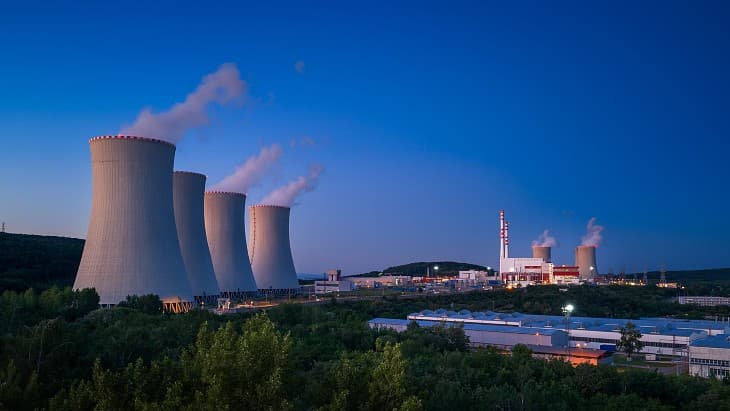
Used reactor fuel may be moving from storage burden to reactor feedstock, if BLSK Energy can turn an Argonne-backed pyroprocessing plan into a real plant. The company emerged from stealth on May 18, 2026, saying it will commercialize a system that recycles fuel from existing nuclear plants into HALEU-equivalent metal fuel for advanced fast reactors.
BLSK says its case rests on a cooperative research and development agreement with Argonne National Laboratory that gives it exclusive access to pyroprocessing intellectual property, plus access to Argonne technical staff and facilities. Argonne pioneered pyrochemical processing, or pyroprocessing, a high-temperature recycling method, and says more than 95% of used nuclear fuel still holds valuable energy potential. That is the core promise here: take material now treated as waste and turn it into a fuel stream that fast reactors can actually use.
The company is not talking about an overnight buildout. BLSK is targeting a pilot recycling facility that could operate in 2034, which puts real distance between concept and deployment. Even so, the plan lands at a moment when Washington is trying to push the field forward. On February 5, 2026, the U.S. Department of Energy awarded more than $19 million to five U.S. companies to study used-fuel recycling technologies. On April 22, 2026, DOE issued a request for applications seeking private proposals to design, construct and operate nuclear fuel recycling, reprocessing and fuel fabrication facilities in the United States, with initial applications due June 19, 2026.
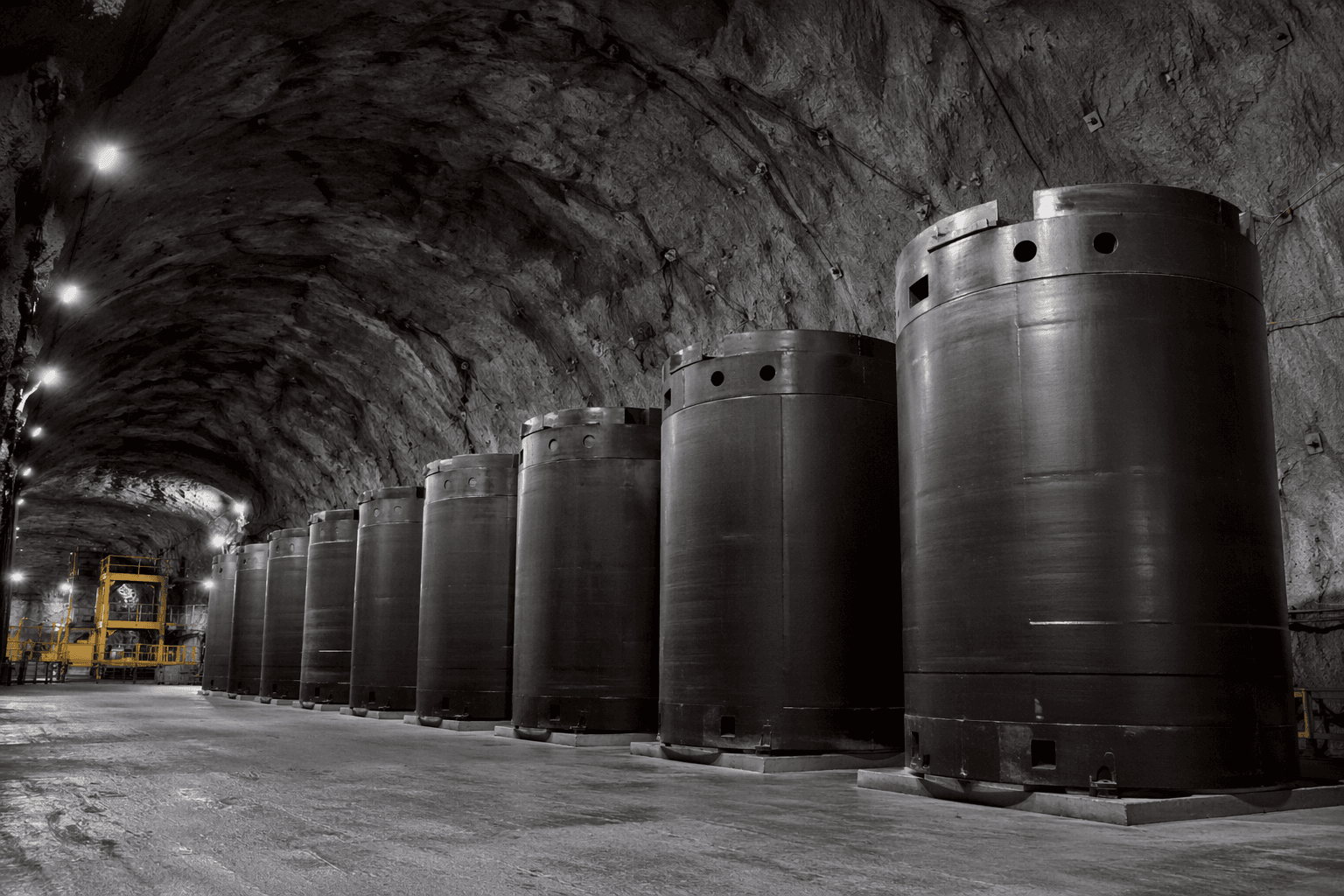
The scale of the fuel issue helps explain the urgency. DOE says the United States has more than 95,000 metric tons of spent nuclear fuel stored at 79 sites in more than 30 states. BLSK is pitching its process as a way to address that accumulated inventory while also building a domestic supply line for advanced reactors, which have been widely seen as constrained by the lack of specialized fuel, especially HALEU.
The hurdle is that this is still a nuclear-commercialization problem, not just a chemistry problem. The United States has spent decades wary of commercial reprocessing after President Jimmy Carter’s April 7, 1977 announcement that the nation would indefinitely defer plutonium recycling and commercial reprocessing because of proliferation concerns. Any modern recycling line will still have to clear technical proof, licensing, safeguards and financing, while competing with other players such as Oklo and SHINE Technologies that are also pushing used-fuel and fuel-cycle work.
BLSK’s launch matters because it gives closed-fuel-cycle talk a startup structure, but the real test is whether Argonne’s technology can make the jump from laboratory pedigree to an industrial process that regulators, utilities and reactor developers can trust. Until a pilot plant is actually running in 2034, the milestone is promising, but the proof still lies ahead.
This article was produced by Prism’s automated news system from verified source data, official records, and press releases, then run through automated quality and moderation checks before publishing. The system is built and supervised by the people who set the standards it runs under. Read our full AI policy.
Did this article answer your question?