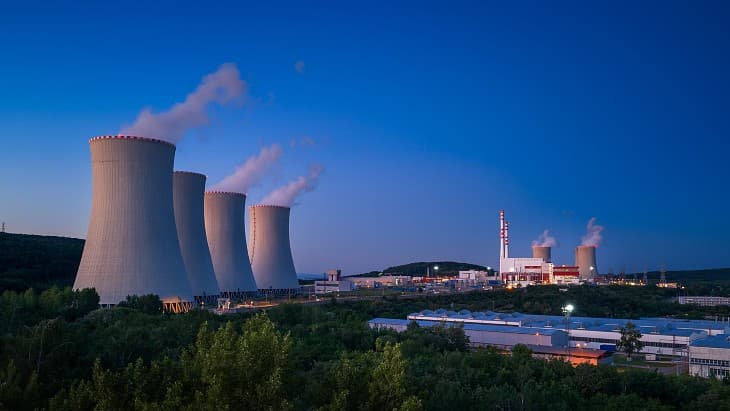
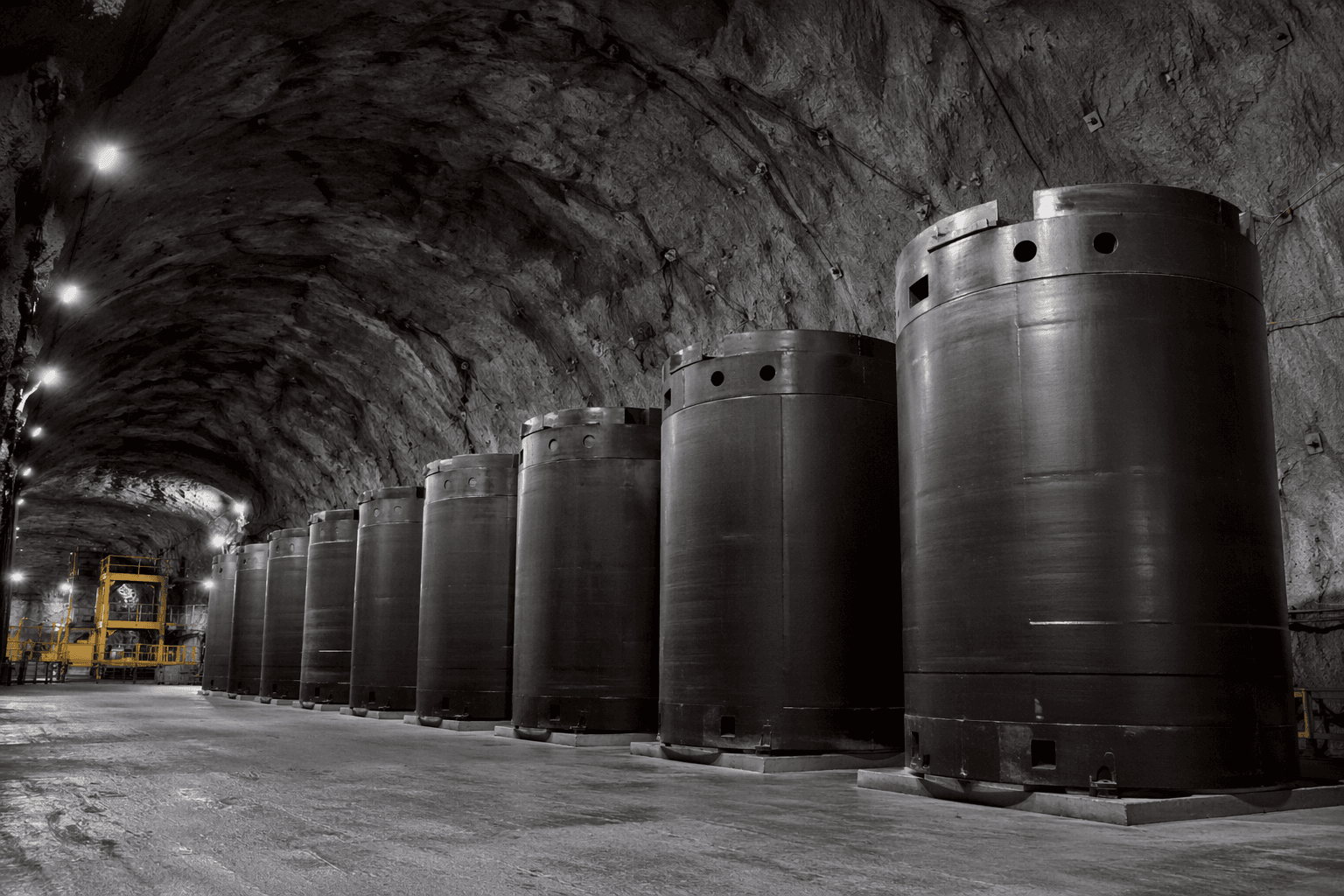
Blue Energy, GE Vernova plan Texas gas-nuclear plant for AI demand
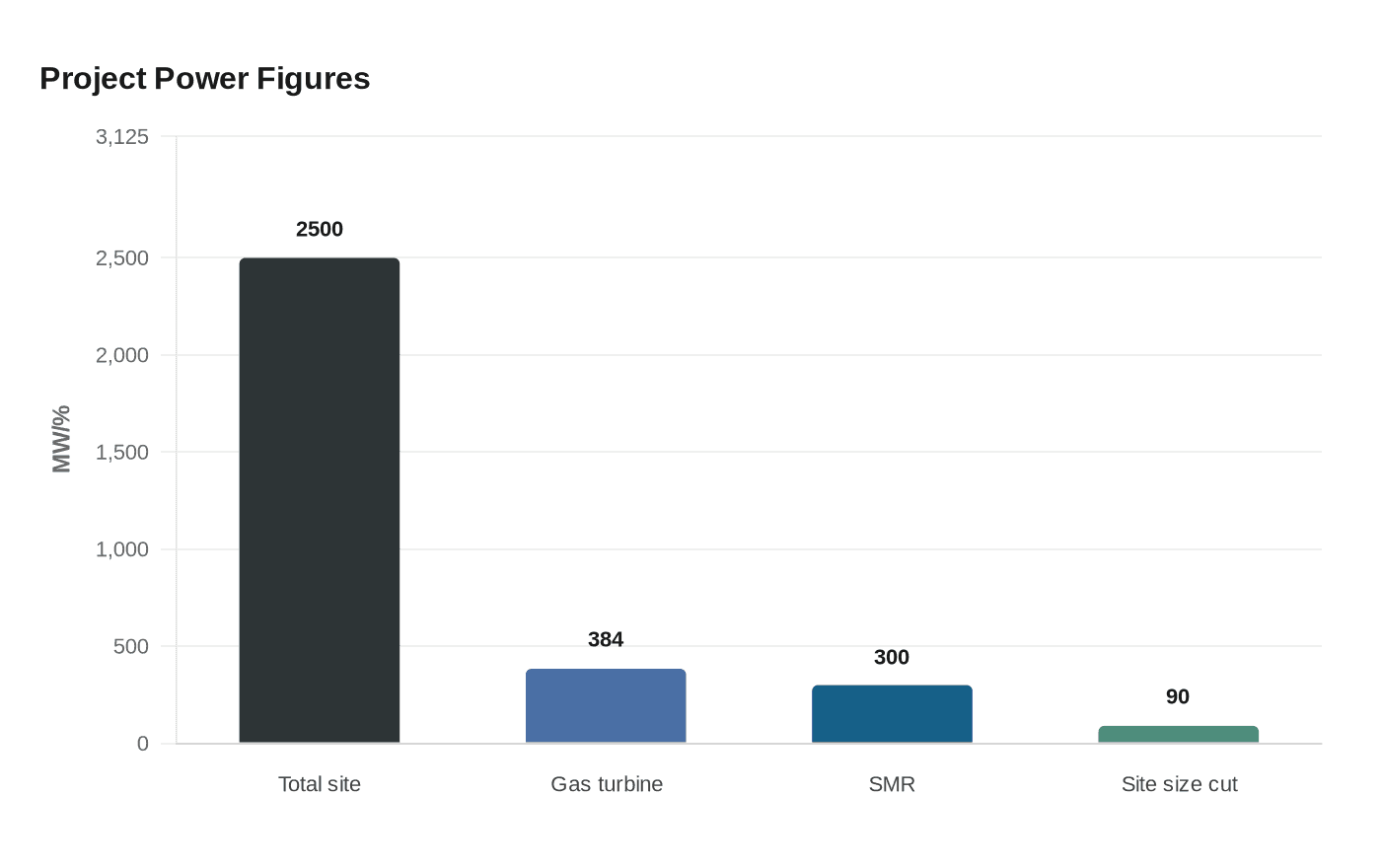
Blue Energy and GE Vernova want a 2,500 MW Texas site to bridge AI load with 7HA.02 gas now and BWRX-300 nuclear later. The bet is schedule over symbolism.
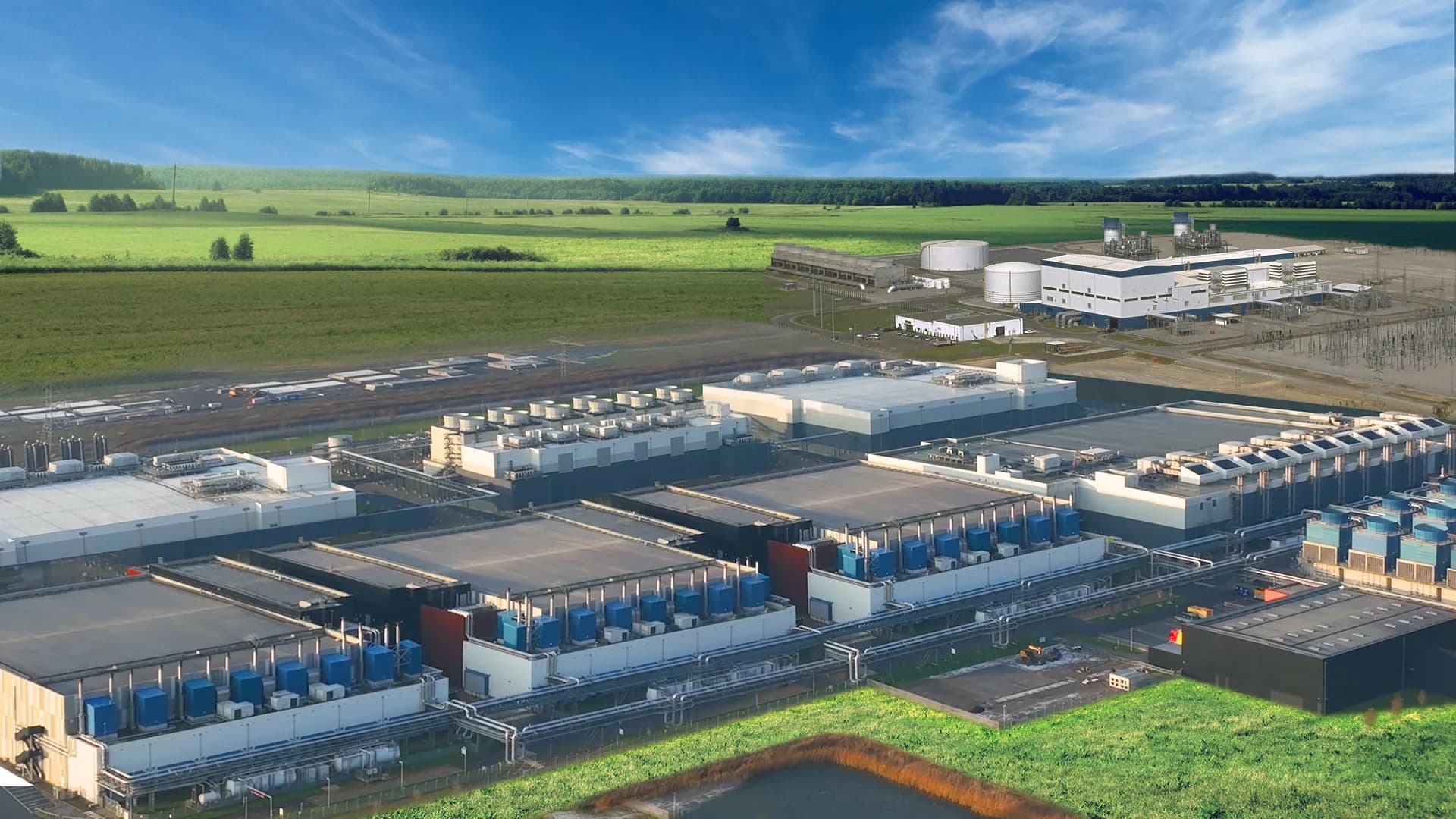
Texas grid planners are staring at a demand problem that conventional generation cannot solve fast enough: data centers and advanced manufacturing want firm power now, not after a decade of permitting and construction. Blue Energy and GE Vernova answered that pressure on May 5 with a 2,500 MW gas-plus-nuclear project in Texas, a setup they describe as the world’s first of its kind and one aimed squarely at AI-era load growth.
The core idea is blunt. Two GE Vernova 7HA.02 gas turbines, reserved for delivery in 2029, would give the site early energization while the nuclear side is still being built. GE Vernova rates the 7HA.02 at 384 MW, and the company has pushed gas turbines as bridge power for data-center growth and test phases. The longer-term anchor is GE Vernova Hitachi Nuclear Energy’s BWRX-300, a roughly 300 MWe water-cooled, natural-circulation small modular reactor with passive safety systems. GE Vernova says the reactor can be built in about 24 to 36 months and can cut site size by about 90 percent.
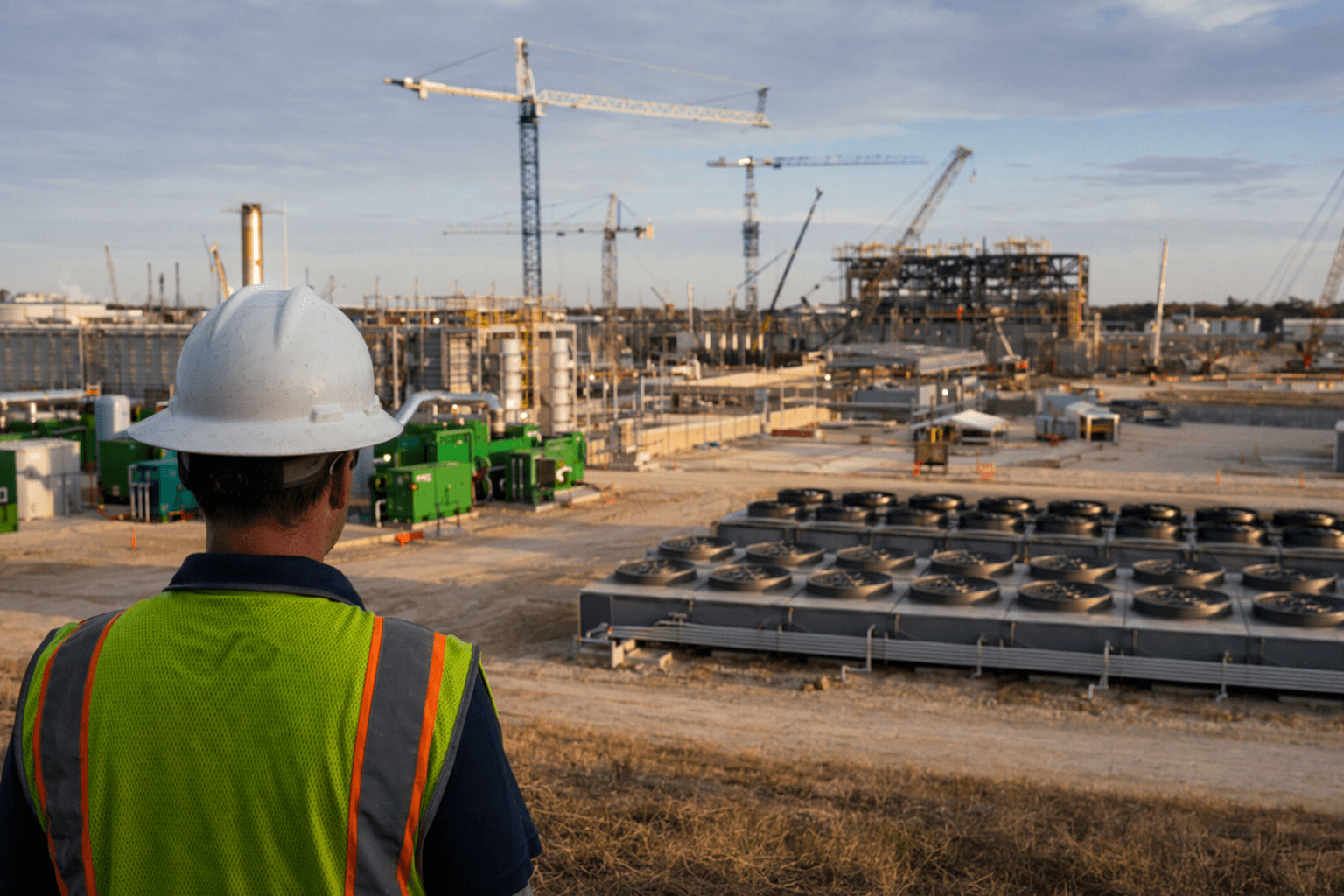
Blue Energy is trying to make that combination more than a glossy concept by attacking the nuclear industry’s oldest headaches: cost overruns and schedule drift. Its pitch is to move as much of the plant as possible into offsite construction and shipyard-style assembly, then barge modules into place. The company filed topical report BE-BOPTR-02 with the U.S. Nuclear Regulatory Commission on May 28, 2025, asking the agency to review its plan for resequencing balance-of-plant and nuclear-island construction. NRC staff issued a final safety evaluation on December 30, 2025, giving the approach a regulatory milestone that most early-stage reactor concepts never reach.
Blue Energy said on April 21 that it had raised $380 million and expected to start construction on its first Texas project in the third quarter of 2026. The broader schedule being discussed points to a final investment decision in 2027, gas turbines online around 2030, and nuclear reactors following around 2032. That is still a long road, but it is also the point: the hybrid model is being sold as an infrastructure delivery system, not just a reactor announcement.
That is what makes this project worth watching. If Blue Energy and GE Vernova can actually pair a gas bridge with a modular nuclear build at one 2,500 MW site, they could offer utilities and data-center developers a template for fast, firm power in ERCOT territory. If they cannot, the “world’s first” label will look more like branding than a repeatable reliability model.
This article was produced by Prism’s automated news system from verified source data, official records, and press releases, then run through automated quality and moderation checks before publishing. The system is built and supervised by the people who set the standards it runs under. Read our full AI policy.
Did this article answer your question?