DOE Approves Idaho Spent Fuel Staging Facility Conceptual Design
DOE cleared the conceptual design for a 15,000-square-foot Idaho fuel staging building, a key step toward keeping spent fuel moving at INL through 2032.
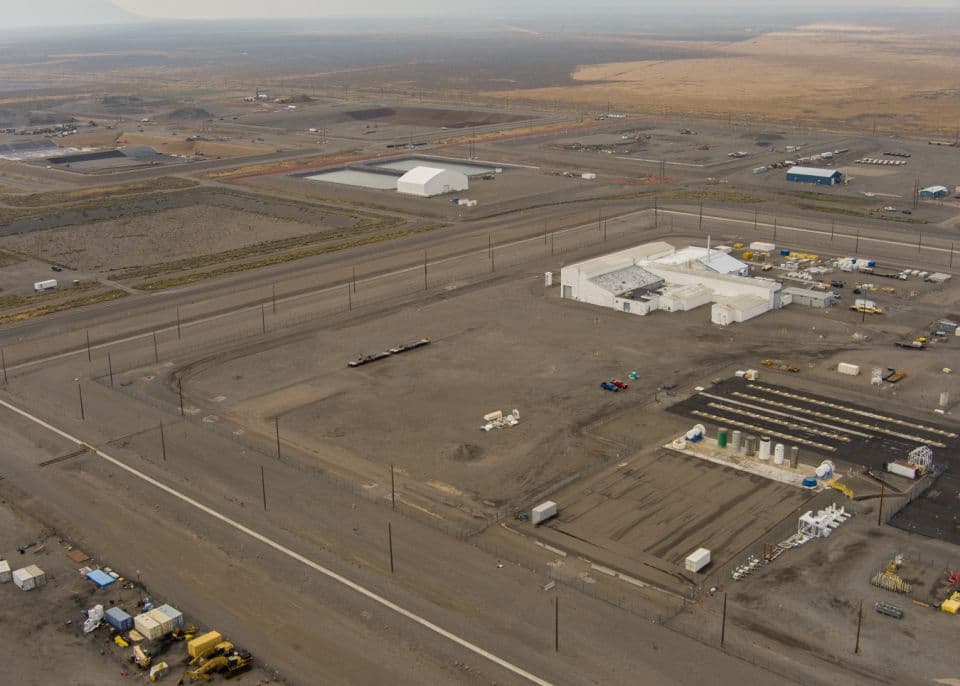
The Department of Energy cleared a key planning hurdle for Idaho’s next spent-fuel handling building, approving the conceptual design for a roughly 15,000-square-foot staging facility at the Idaho Nuclear Technology and Engineering Center. The building will hold overpacked spent fuel and give the Idaho Cleanup Project more room to manage material safely while longer-term disposal paths remain unresolved.
That matters because Idaho’s cleanup mission is still tied to a 1995 settlement signed by DOE, the State of Idaho, and the U.S. Navy. Under that agreement, DOE said Idaho accepted limited quantities of spent fuel for 40 years, while the department worked through milestones to move fuel from wet storage to dry storage and prepare it for removal to either a geologic disposal facility or an interim storage site. DOE said it had met more than 90% of those milestones on or ahead of schedule, and the spent-fuel basin at Idaho was 95% empty as of 2020.
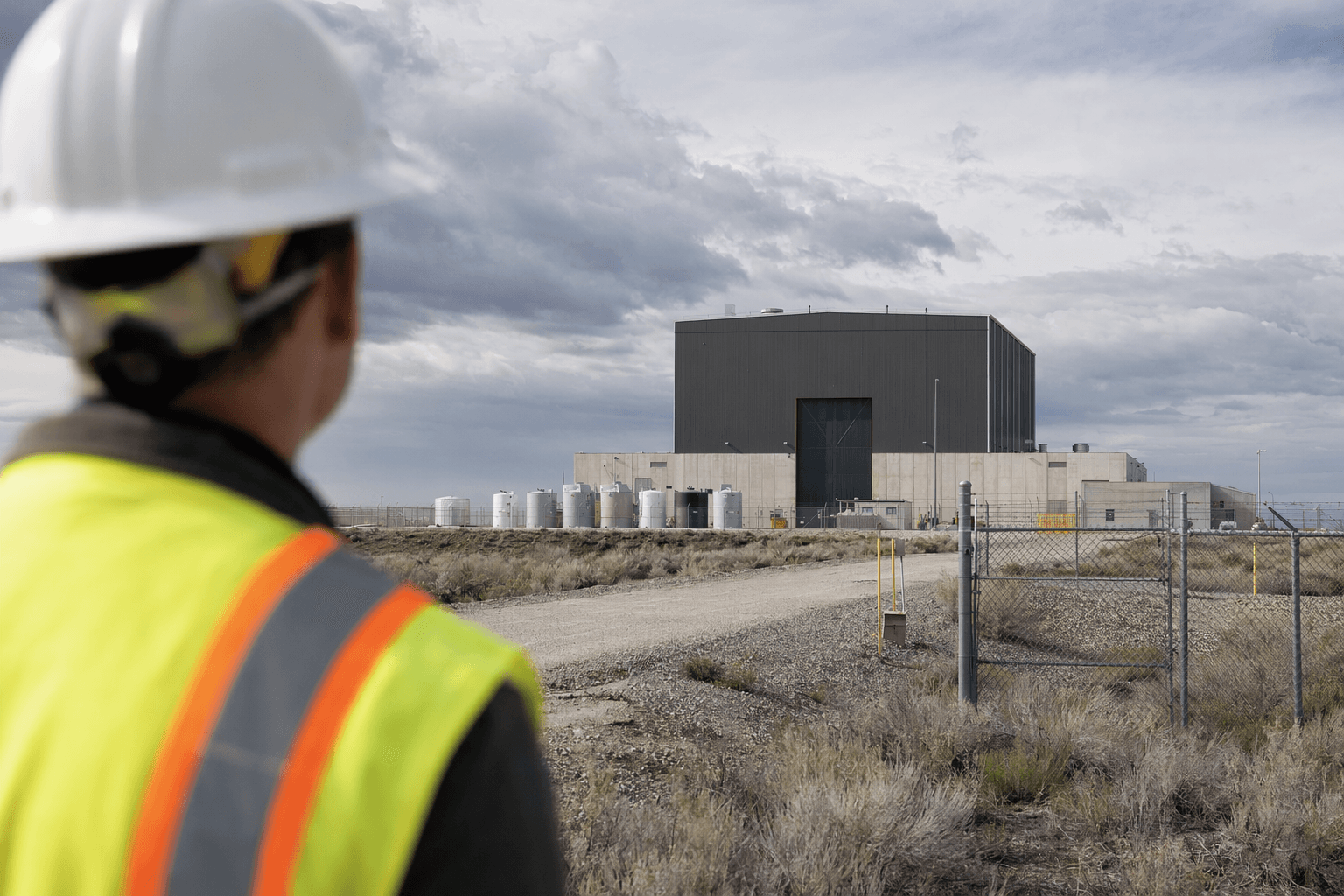
The new staging facility is meant to keep that system from bottlenecking. Idaho National Laboratory covers about 890 square miles and dates to 1952, when it opened as the National Reactor Testing Station. The site’s cleanup mission still includes removing DOE’s inventory of spent nuclear fuel and high-level waste from Idaho, which makes staging space less of a nicety than a necessity. DOE expects the new facility to be finished between 2030 and 2032, so this design approval does not put concrete in the ground yet, but it does give the project a defined path forward.
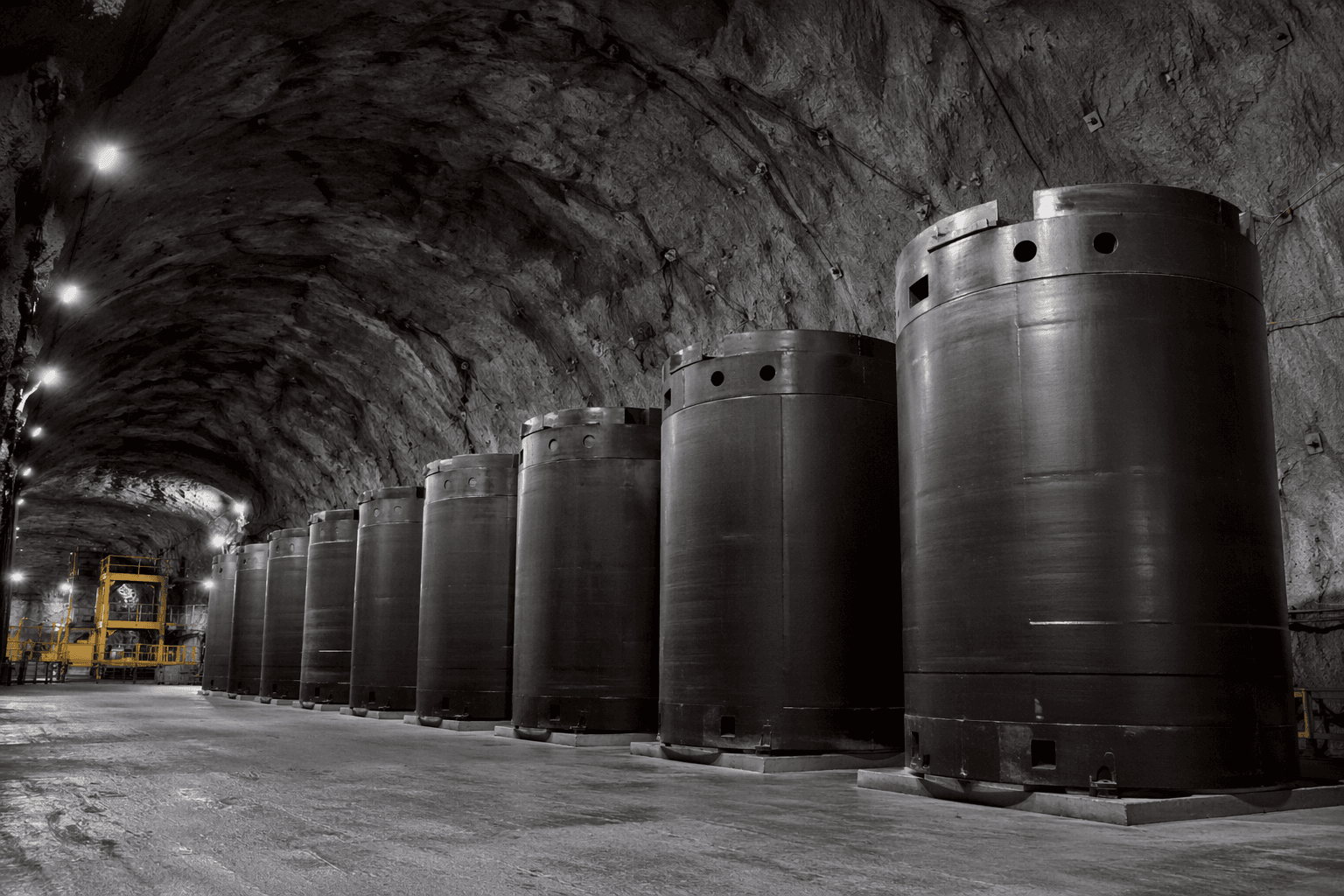
The approval also fits into a busy stretch of Idaho fuel work. In February 2026, DOE said crews converted a sloped truck bay into a level concrete staging area at CPP-603, the site’s main dry-storage building. DOE has also reported the transfer of 40 spent nuclear fuel baskets into safer long-term storage vaults, and in one notable move, eight Advanced Test Reactor fuel elements went directly from the reactor’s cooling canal to dry storage, the first such transfer in the ATR’s more than 50-year history. At the Irradiated Fuel Storage Facility, crews also installed a large cask insert into a transfer car to prepare fuel for shipment out of state.
Idaho’s role is bigger than one cleanup project. In April 2025, Idaho and DOE approved a targeted waiver of the settlement to support a commercial fuel cask research project, and DOE said more than 70% of today’s dry storage facilities rely on long-term storage data to renew licenses. That is the real backdrop here: Idaho is not just storing legacy fuel, it is helping keep the rest of the U.S. spent-fuel system licensed, moving, and operational.
This article was produced by Prism’s automated news system from verified source data, official records, and press releases, then run through automated quality and moderation checks before publishing. The system is built and supervised by the people who set the standards it runs under. Read our full AI policy.
Did this article answer your question?