Brookfield and Nuclear Company revive VC Summer with new joint venture
Brookfield and The Nuclear Company are betting fresh capital and tighter project controls can finish VC Summer, where ratepayers once absorbed about $9 billion in sunk costs.
_20642.jpg&w=1920&q=75)
Can the most infamous failed nuclear build in the United States actually be finished this time?
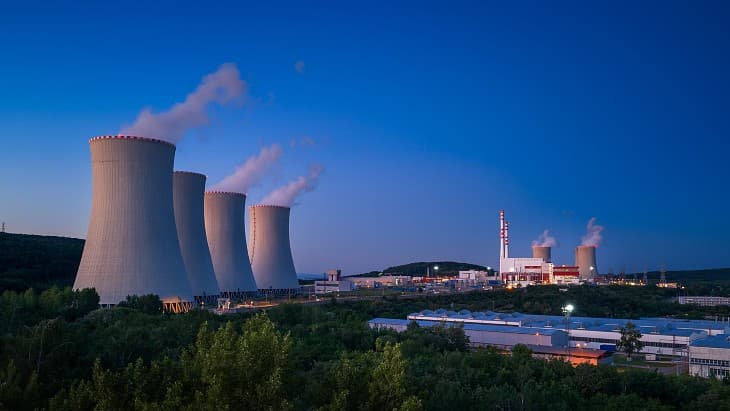
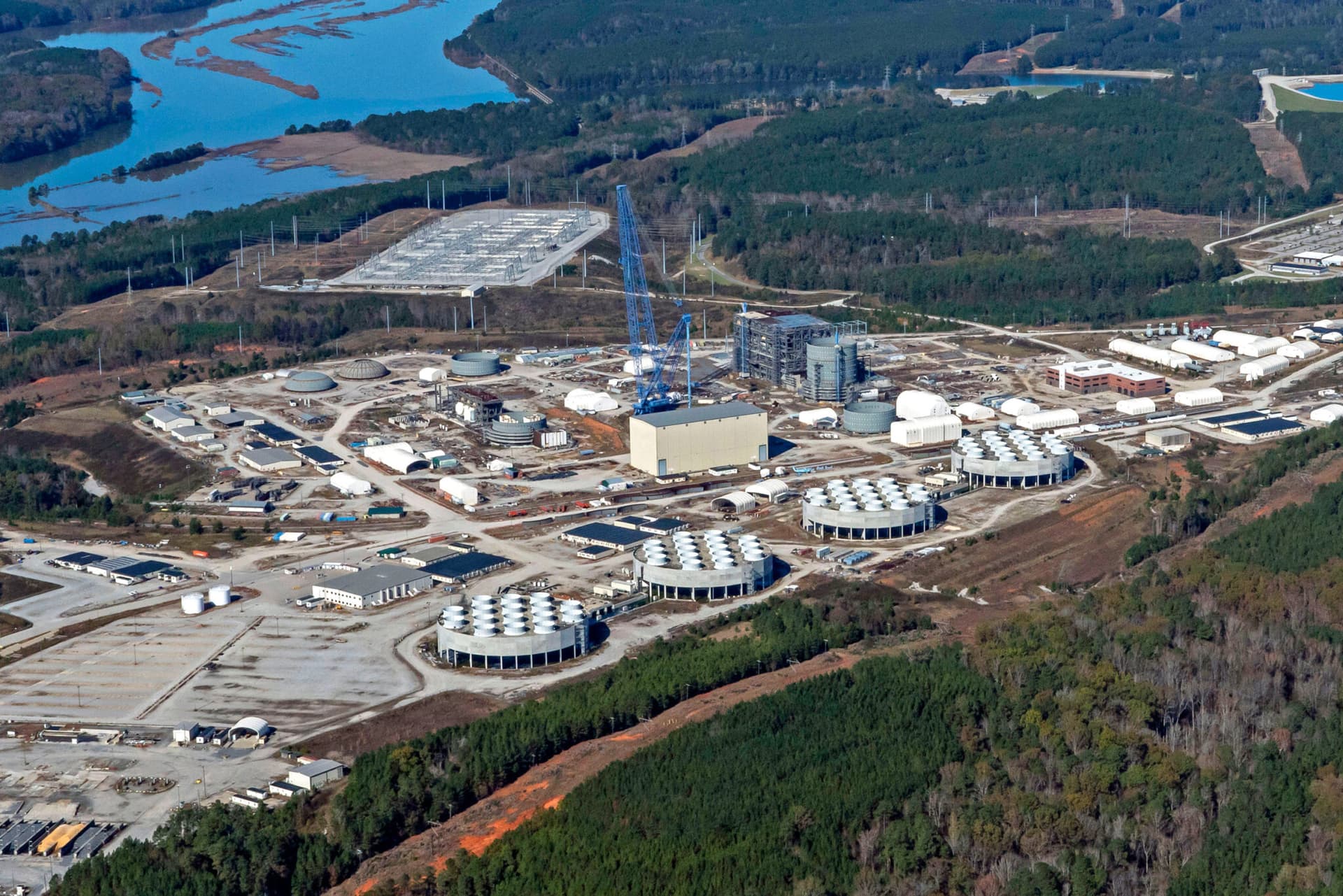
Brookfield and The Nuclear Company said May 4 that they were forming a joint venture to project manage completion of the two AP1000 units at the long-stalled V.C. Summer site in South Carolina, now being repositioned as the Fairfield County nuclear project. The move turns one of the industry’s most painful cautionary tales into a live test of whether private capital and harder project discipline can finally close a project that was abandoned nearly a decade ago.
The site’s history is the reason the announcement lands with such force. The expansion was first proposed in 2008 at a cost of less than $12 billion. Construction began in 2013, then collapsed into delay after delay before being abandoned in 2017, following Westinghouse Electric Company’s Chapter 11 filing in March of that year. The wreckage left behind a political and financial scar in South Carolina, with reporting later pegging roughly $9 billion already spent by ratepayers without a single megawatt delivered, and other estimates putting the project’s eventual cost near $25 billion.
Santee Cooper, which owns the abandoned assets, selected Brookfield through a letter of intent on Oct. 24, 2025 after what it described as an expert-driven review of proposals. That agreement set a six-week initial feasibility period and created a Feasibility Committee with two members from Santee Cooper and two from Brookfield, with Santee Cooper appointing the chair. Brookfield was required to provide monthly progress reports and to determine both initial feasibility and a target date for a final investment decision by June 26, 2026.
The new venture is about more than one South Carolina restart. Santee Cooper said the Brookfield and The Nuclear Company platform will also focus on Westinghouse reactor technologies around the world, giving the effort a wider ambition as a nuclear execution business. Brookfield and Cameco completed their acquisition of Westinghouse on Nov. 7, 2023, with Brookfield holding 51% and Cameco 49%, and that ownership now sits at the center of the comeback pitch.
The Nuclear Company is framing the joint venture around a design-once, build-many model and an AI-driven Nuclear Operating System intended to make reactor deployment more predictable. Westinghouse has long argued that its AP1000 is licensed and construction-ready, but the V.C. Summer failure showed that design alone was never the hard part. The real question now is whether capital, governance, and project controls can do what the first build could not, and whether Fairfield County becomes a one-off salvage job or a template for new nuclear construction in the United States and beyond.
This article was produced by Prism’s automated news system from verified source data, official records, and press releases, then run through automated quality and moderation checks before publishing. The system is built and supervised by the people who set the standards it runs under. Read our full AI policy.
Did this article answer your question?