Calogena and Veolia study SMR heat for district heating in Europe
Calogena and Veolia are testing whether a 30 MWt reactor can feed city heat grids, but the real hurdle is fitting nuclear heat into old pipe networks.

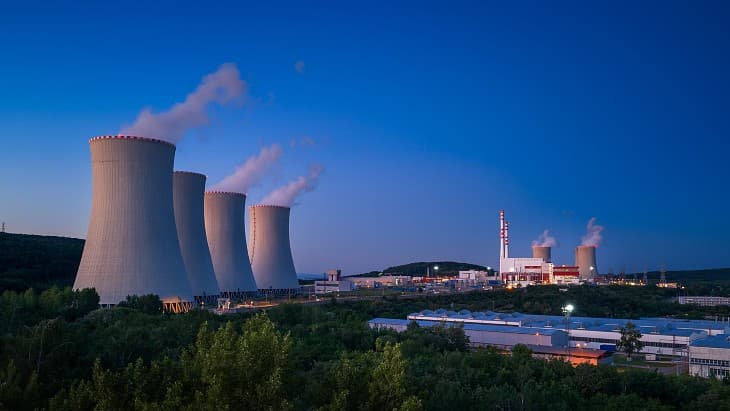
The real test for Calogena is not whether its CAL30 can make heat. It is whether a 30 MWt light-water SMR can be dropped into district-heating systems that were built for gas and coal, then made to work under the licensing, retrofit and siting rules of Central and Eastern Europe.
Calogena and Veolia signed a one-year memorandum of cooperation on 4 June 2026 in Prague to study exactly that. The agreement is non-exclusive, and it is aimed at judging whether SMR technology can decarbonize urban heating networks in Central and Eastern European markets, where district heat still plays an outsized role in everyday energy use.
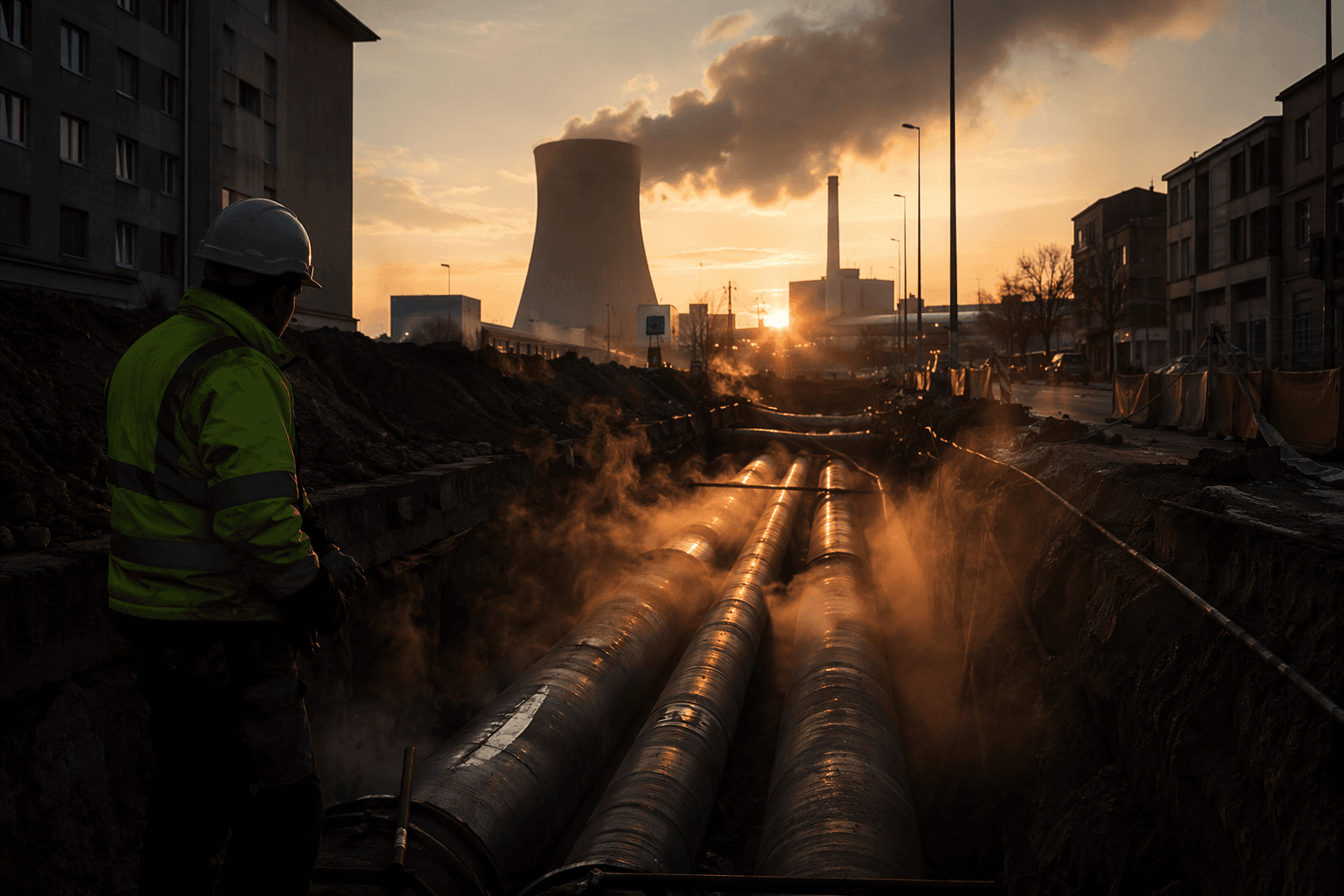
The study is set to run through technical, economic, regulatory and safety questions, with the central issue being how Calogena’s reactor would fit into existing district-heating infrastructure rather than into electricity generation alone. That matters because district heating is a physical network business: heat has to be produced at the right scale, delivered at the right temperature, and connected to pipes, substations and city loads that already exist. Veolia’s own district-heating business, including its Ecothermal Grid offer, is built around that same urban heat logic, and the company says it wants to lead European district heating by 2030.
Calogena comes to the table with momentum. In March 2026, the company said it had nearly €100 million in funding after new support from France 2030 and a capital increase. It is also a subsidiary of Groupe Gorgé, and it has already been pushing its CAL30 project toward concrete siting questions. In 2025, Calogena and CEA signed a letter of intent to study installation of a Calogena module at Cadarache and connection to the site heating network. CEA said the work concerned possible placement of a module at the centre in Saint-Paul-Lez-Durance and its tie-in to the local heat grid.
The appeal is clear in a region where the market for heat is already large. Industry-cited data put district heating at about 40% of residential heating demand in Poland and the Czech Republic, and about 45% in the Baltic states. Across the EU, the heating sector still leans heavily on fossil fuels, and the IEA says fossil fuels still dominate district-network supplies globally, at about 90% of total heat production.
That is why this memorandum matters. It is a first pass at the question that will decide whether CAL30 becomes a city heat asset or stays a paper promise: can nuclear heat be threaded into Europe’s existing networks at the right temperature, in the right place, under the right rules?
This article was produced by Prism’s automated news system from verified source data, official records, and press releases, then run through automated quality and moderation checks before publishing. The system is built and supervised by the people who set the standards it runs under. Read our full AI policy.
Did this article answer your question?