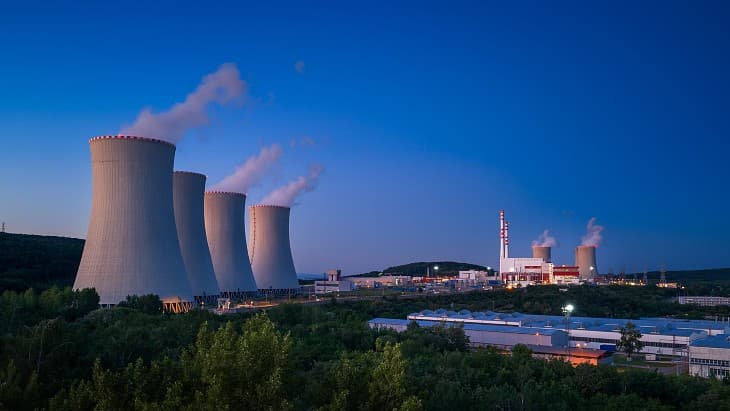
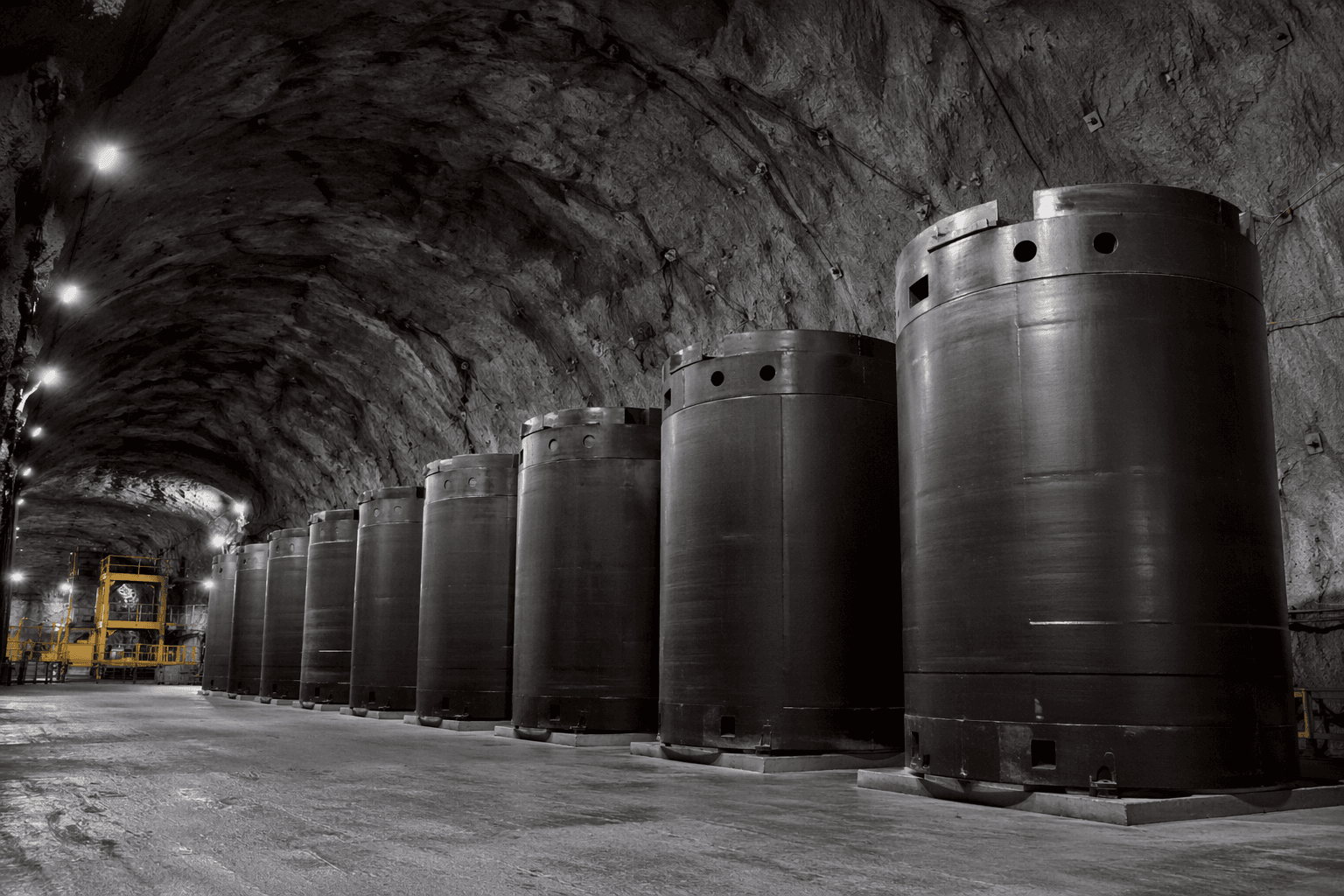
Commonwealth Fusion Systems files first fusion plant grid interconnection request
CFS put ARC into PJM’s queue, a first for fusion and a sign the company is tackling grid bureaucracy years before its hoped-for early-2030s startup.

Commonwealth Fusion Systems took a step that fusion developers have spent years circling: it filed the first grid interconnection request ever submitted by a fusion power plant developer, pushing its ARC project into the real bureaucracy of the electric grid.
The filing, made April 28, 2026, was for ARC, CFS’s first fusion power plant, planned for Chesterfield County, Virginia. CFS said the request was a crucial bridge between fusion science and the infrastructure needed to turn that science into electricity. The company said the application required a detailed understanding not only of the fusion machine itself, but also of the steam, turbine and generator systems that would actually deliver power to the grid.
That matters because the target is PJM Interconnection, the largest wholesale electricity market in the United States. PJM serves about 182,000 megawatts of capacity across 13 states and Washington, D.C., and more than 65 million customers. For a fusion company, getting into that queue is not a symbolic gesture. It is a test of whether the plant can be treated like any other generator facing transmission limits, interconnection studies and the slow machinery of utility planning.
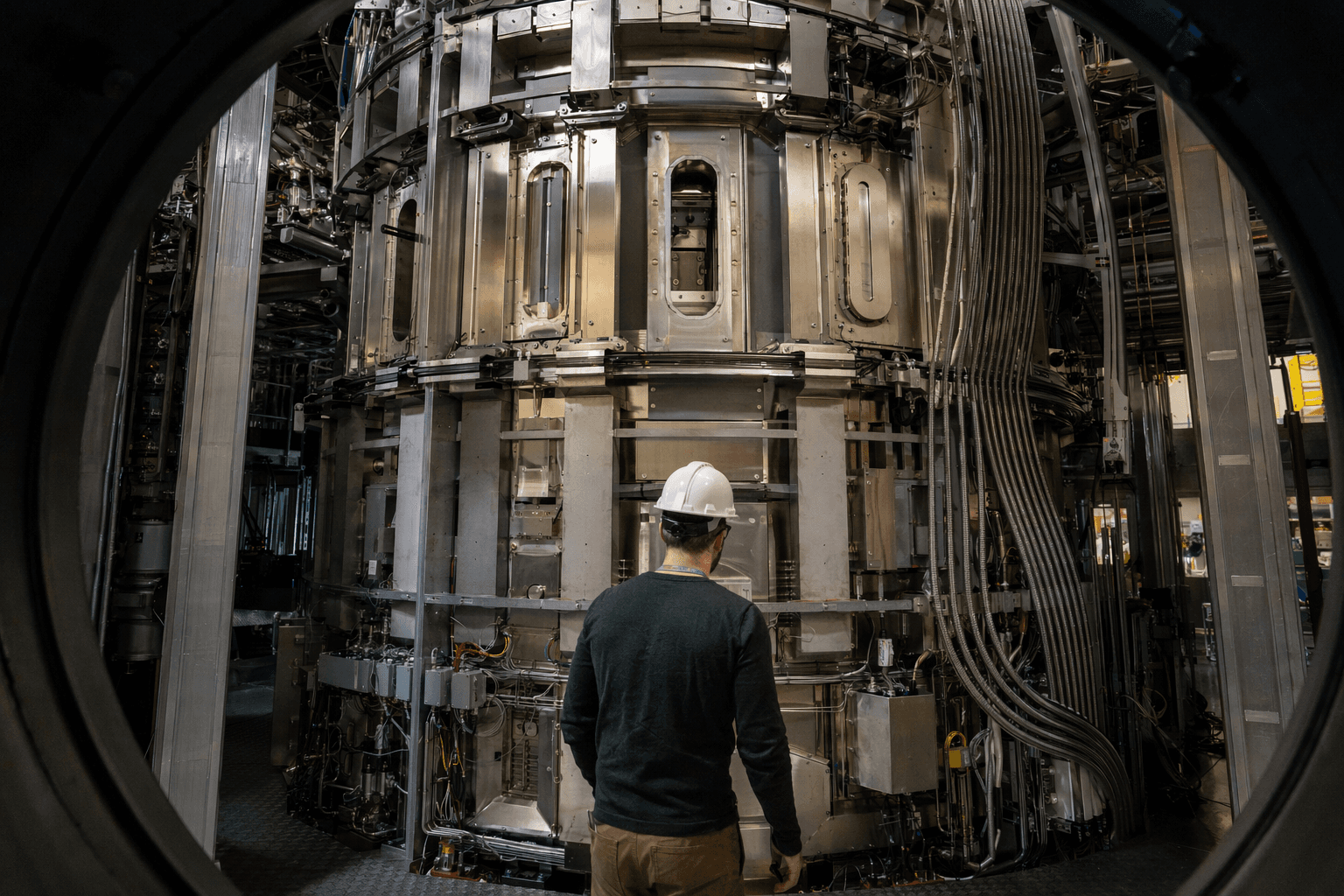
CFS said those studies can take four to six years, making them one of the longest-lead items in a grid-scale project. The company’s move suggests confidence not only in ARC’s fusion hardware, but in the surrounding plant design and schedule. ARC is planned as a 400-megawatt facility at James River Industrial Park, on a 94-acre site that Chesterfield County officials said could cost more than $2.5 billion. The county has said the plant is expected to operate for at least 20 years.
The commercial picture has also sharpened. In June 2025, Google signed a power purchase agreement for 200 megawatts, half of ARC’s expected output, making Google CFS’s first customer and one of the largest direct corporate offtake deals yet for fusion energy. Dominion Energy advised CFS on best practices through a joint development arrangement, reinforcing that ARC is being shaped as a utility-facing power plant, not just a physics milestone.
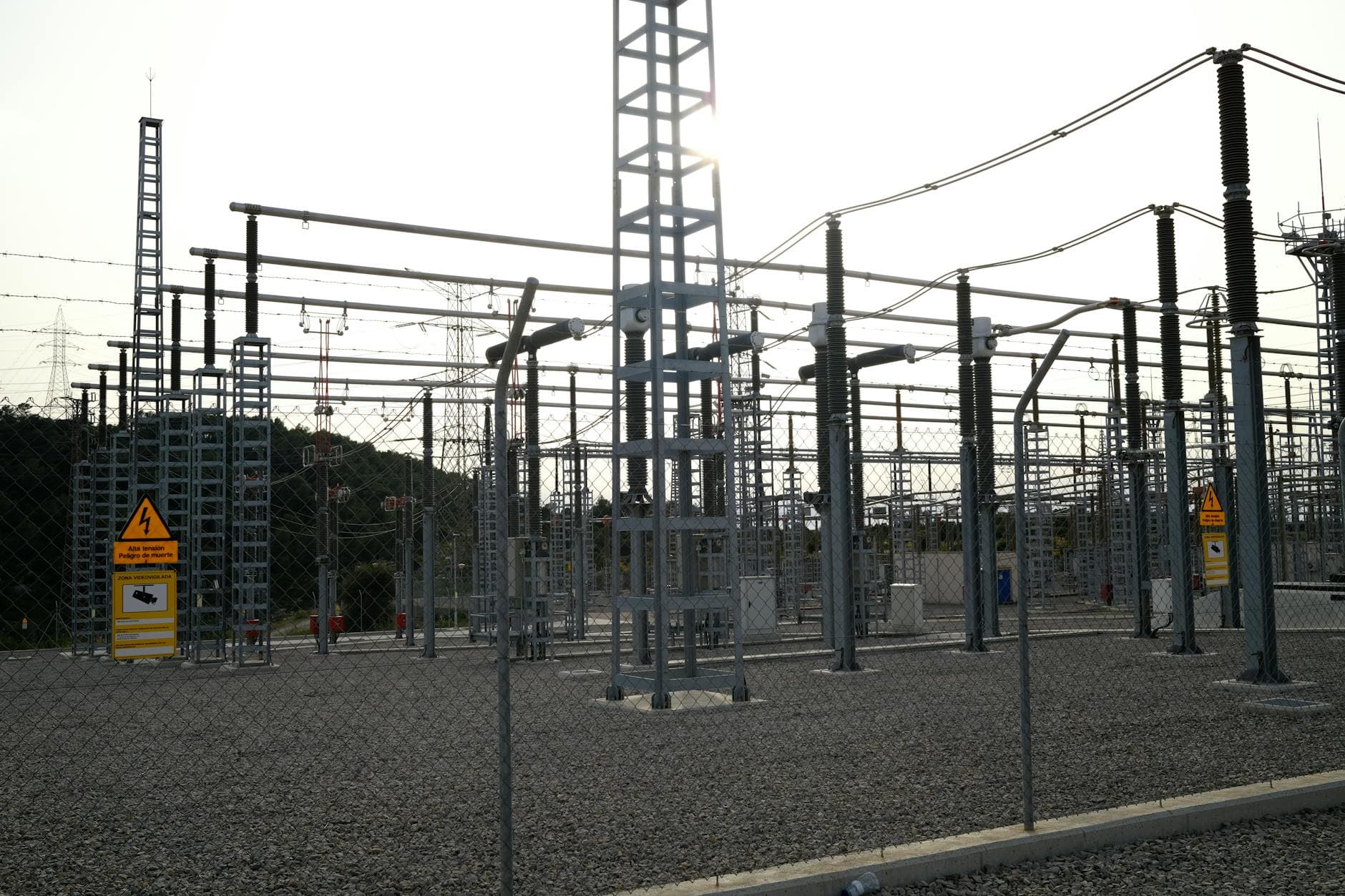
PJM’s own queue reforms make the filing land at a notable moment. In June 2025, the operator said its transition queue had been reduced to about 63 gigawatts of projects and that future generation interconnection agreements would take one to two years to process. For CFS, ARC is now inside the same transmission, permitting and planning pipeline that every serious generator must survive. That is a commercialization step, not proof that fusion electricity is imminent, but it is the kind of step that tells the market the company is planning for a plant, not a promise.
This article was produced by Prism’s automated news system from verified source data, official records, and press releases, then run through automated quality and moderation checks before publishing. The system is built and supervised by the people who set the standards it runs under. Read our full AI policy.
Did this article answer your question?