Commonwealth Fusion Systems publishes five papers backing ARC fusion plant
Five peer-reviewed ARC papers give fusion-watchers a sharper test of Commonwealth Fusion Systems’ 400 MW claim, but SPARC still has to retire the key risks.

A fusion plant can look convincing on a slide until the real questions hit: can it dump heat, survive disruptions, hold the plasma edge together, and still send power to the grid? Commonwealth Fusion Systems has now put those questions into peer-reviewed form, publishing five ARC physics-basis papers in a special Journal of Plasma Physics collection that it says was written by 58 scientists from universities and research institutions.
The June 4 release is a credibility check as much as a milestone. The collection lays out the plant physics behind ARC, including power and particle exhaust, disruption physics and mitigation, plasma performance and transport, and magnetohydrodynamics. Cambridge University Press says the issue contains five peer-reviewed articles plus an editorial, giving outside specialists a chance to scrutinize the design while the company keeps its intellectual property protected.
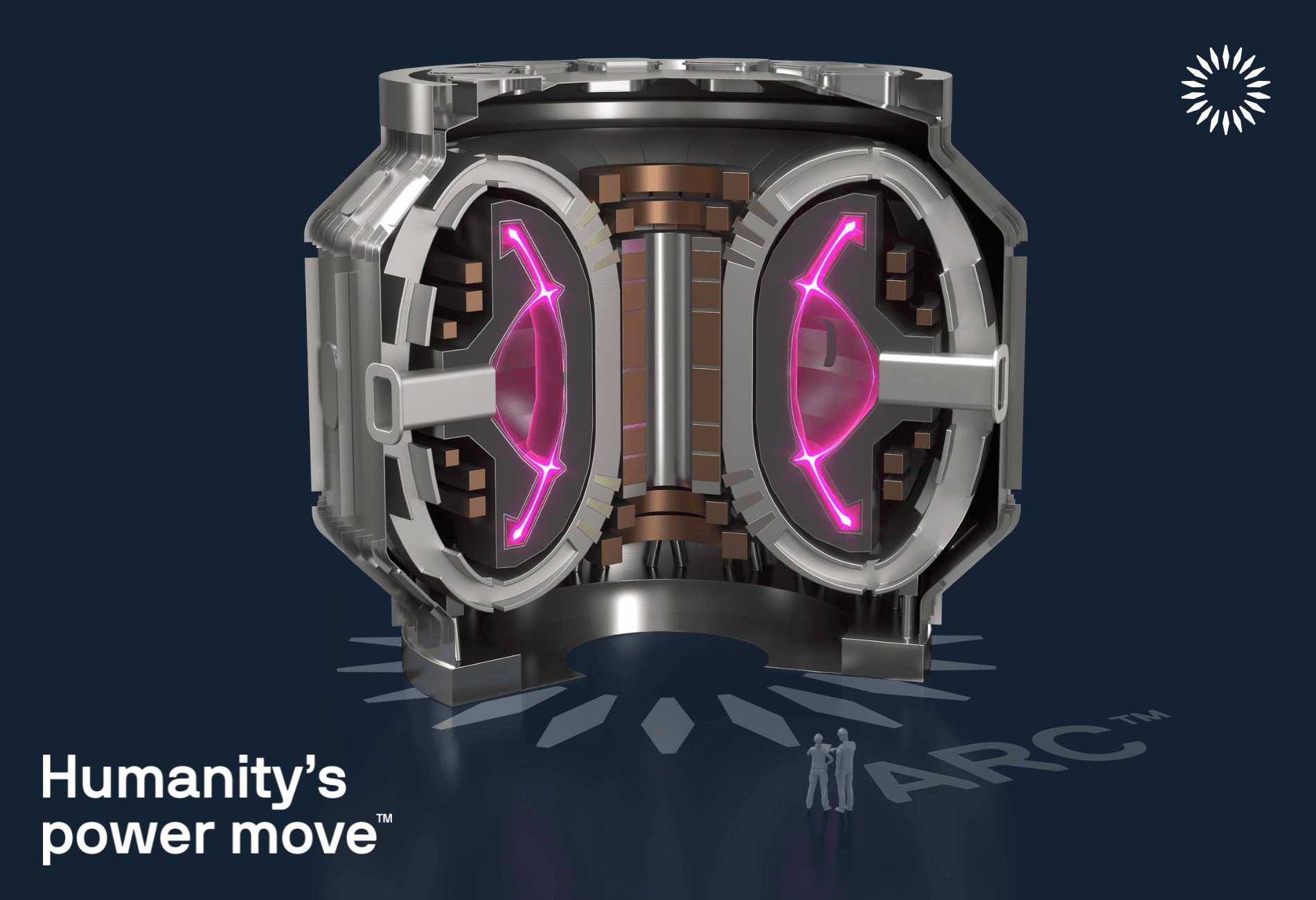
The centerpiece is the ARC overview paper for ARC V3A, the version planned for Chesterfield County, Virginia, in the early 2030s. CFS describes it as a high-magnetic-field tokamak with B0=11.4 T, Ip=12.0 MA, major radius R0=4.62 m, and minor radius a=1.18 m. The design target is about 1.13 GW of deuterium-tritium fusion power and at least 400 MW of net electric power to the grid, numbers that move the conversation from “could fusion work?” to “which parts of this machine are already defensible, and which still depend on SPARC.”
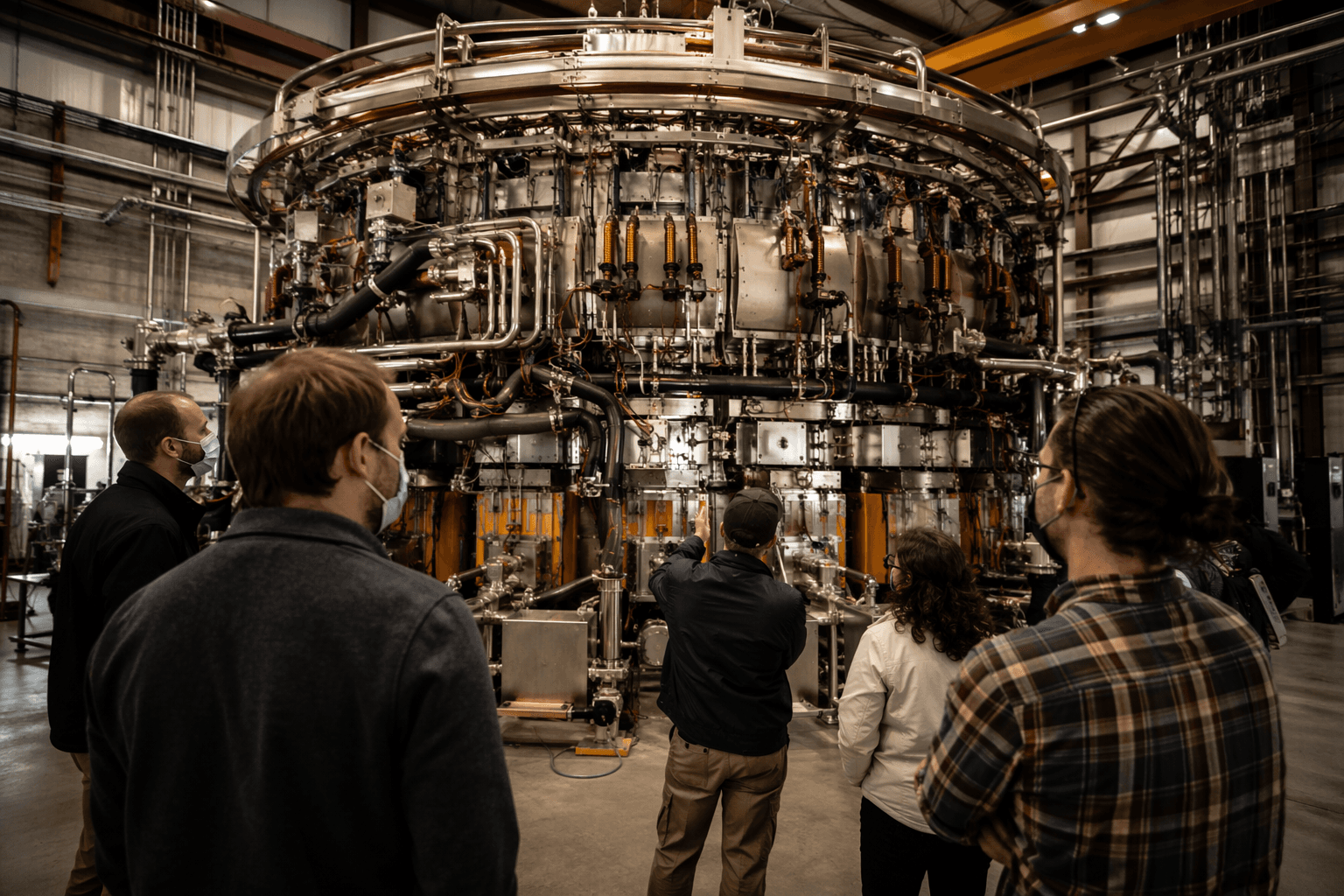
That distinction is the real news for ARC watchers. The paper set says it covers empirical fusion-performance projections, H-mode access, ion cyclotron resonance heating, alpha-particle physics, and time-dependent full-pulse simulations. It also says the biggest model uncertainties and physics risks are meant to be retired through SPARC operation, with early results folded into the first ARC plant and later replacement of its vacuum vessel. In other words, this is less a victory lap than a documented attempt to close the gap between plasma physics and power-plant engineering.
CFS has paired the technical publication with a commercial path in Virginia. The first ARC plant is slated for the Fall Line Fusion Power Station in Chesterfield County, near Richmond, Virginia, and the company says it will independently finance, build, own, and operate the facility. CFS says the plant should create hundreds of jobs and provide about 400 MW of clean electricity, enough for roughly 150,000 Virginia homes. The company also says Google has agreed to buy half of the first plant’s output.
The grid side is moving too. On April 28, 2026, CFS said it had become the first fusion power plant developer to apply to connect to PJM Interconnection, the largest U.S. wholesale electricity market, and said Dominion Energy advised it on the interconnection process. SPARC, meanwhile, remained the bridge: CFS said in 2024 that first plasma was expected in 2026 and net fusion energy shortly after, and in April 2026 it said the Devens, Massachusetts, facility was about 75% complete. The papers do not make ARC real on their own, but they do make the machine harder to dismiss as a pitch deck.
This article was produced by Prism’s automated news system from verified source data, official records, and press releases, then run through automated quality and moderation checks before publishing. The system is built and supervised by the people who set the standards it runs under. Read our full AI policy.
Did this article answer your question?