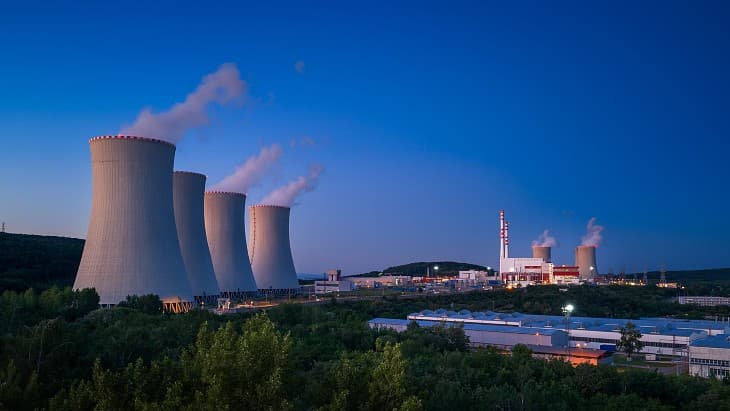
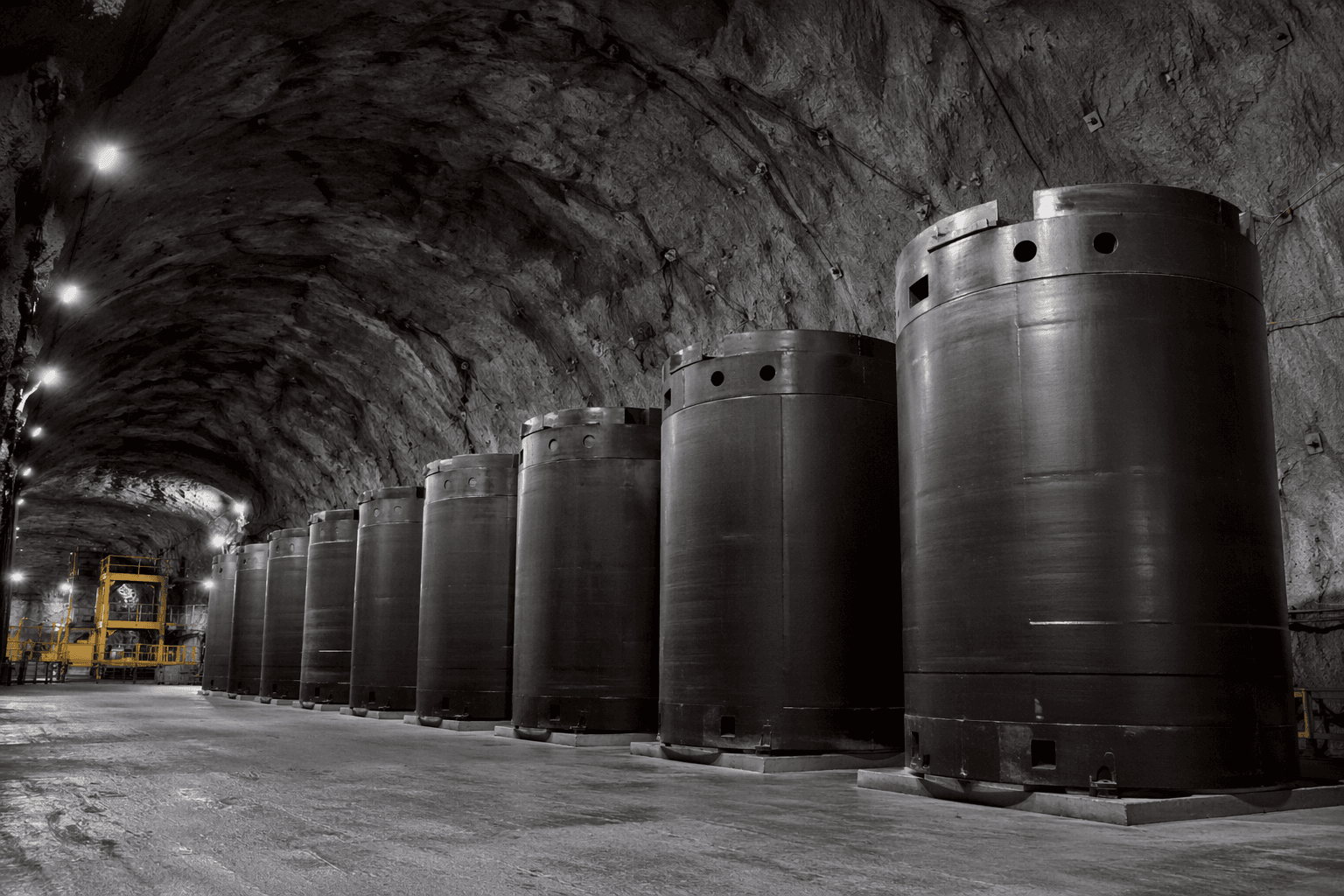
Concrete pouring begins for Leningrad Nuclear Power Plant's eighth unit
Concrete has started on the reactor shaft for Leningrad Unit 8, a 34-metre structure that marks the project’s move into major civil works.
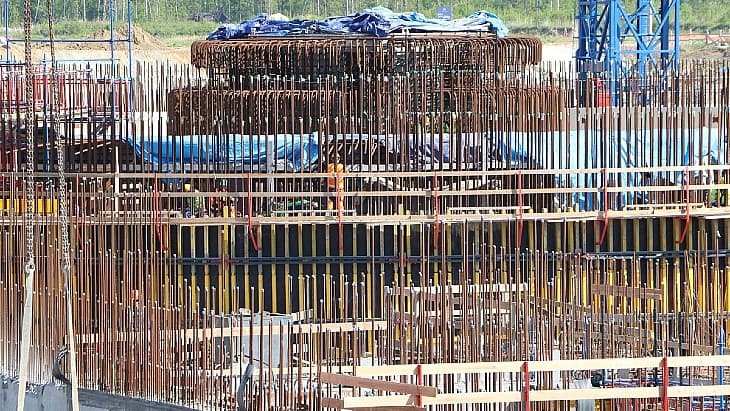
Concrete is now rising on the reactor shaft for Leningrad Nuclear Power Plant’s eighth unit, turning a long-planned reactor build into something visible on site. The shaft will ultimately stand 34 metres tall and house the reactor vessel and major safety equipment, making this one of the clearest civil works milestones in the sequence toward a new VVER-1200 unit.
The first phase is set to complete the first five tiers of the shaft over the next three months, bringing the structure to about nine metres. After that, construction and installation work are expected to proceed in parallel, a sign that the project is moving beyond excavation and foundation work into a more integrated build rhythm. For a nuclear new build, that shift matters: once the reactor shaft is under way, the project is no longer just a contract and a site layout, but a physical structure taking shape for the core of the plant.

Unit 8, also known as Leningrad II-4, was contracted in 2022. Its first concrete for the wider unit was poured in March 2025, following first concrete for Unit 7 in March 2024. World Nuclear News has said Units 7 and 8 are intended to replace Units 3 and 4 as those older reactors are shut in the coming years, extending the site’s role as Rosatom works to swap out legacy capacity for newer VVER technology. Rosatom says the new units are expected to operate for 60 years, with the option of a 20-year extension.
The build also sits inside a larger regional power story. Leningrad units 1 and 2 were shut down in 2018 and 2020, while the newer VVER-1200 blocks have already taken over part of the plant’s output role. The site, near Sosnovy Bor on the Gulf of Finland, provides more than 55% of the electricity demand of Saint Petersburg and the Leningrad region, and about 30% of northwest Russia’s electricity. Rosatom has said the newer Leningrad units have already delivered 30 billion kWh to the unified energy system of Russia, while Unit 3 received a five-year life extension in February 2025 and Unit 4 was extended to 2030 in 2026.
With the reactor shaft now underway, the project has crossed from planning into the kind of concrete work that signals schedule confidence. For Leningrad Unit 8, the pour is the point where the new block stops being a promise and starts becoming a reactor building.
This article was produced by Prism’s automated news system from verified source data, official records, and press releases, then run through automated quality and moderation checks before publishing. The system is built and supervised by the people who set the standards it runs under. Read our full AI policy.
Did this article answer your question?