Deep Isolation Wins $40 Million ARPA-E Award for Nuclear Waste Disposal Pilot
Deep Isolation wins $40M ARPA-E award for a Texas borehole pilot that could end the 30-year stalemate blocking a permanent home for the US's 76-site spent fuel backlog.
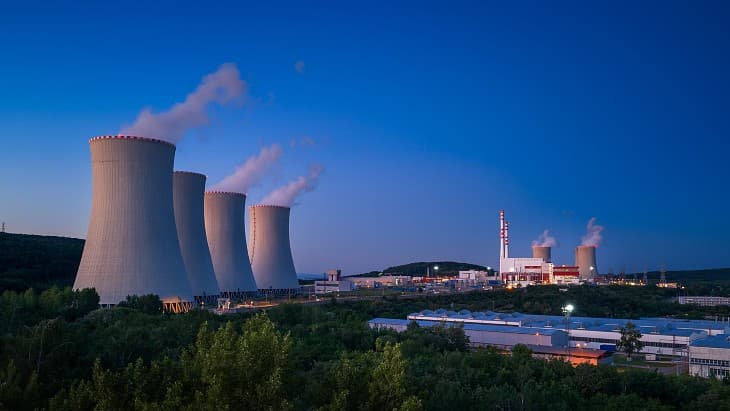
Spent nuclear fuel has been accumulating at 76 reactor sites across 34 states for decades because the United States still has no permanent disposal pathway. Yucca Mountain was supposed to start accepting waste in 1998. It didn't. Deep Isolation, a Berkeley, California startup, is betting that a horizontal borehole drilled two miles into clay-rich shale can solve what a $15 billion mountain tunnel could not, and the Department of Energy's ARPA-E just committed up to $40 million to find out.
ARPA-E's SCALEUP Ready program, its latest initiative to accelerate technologies toward market adoption, committed up to $40 million to support two projects, including Deep Isolation's. The selection, announced April 7, is notable precisely because of that number: two. In a field full of studies and concept papers, earning one of two slots in a market-facing federal commercialization program is a different category of validation.
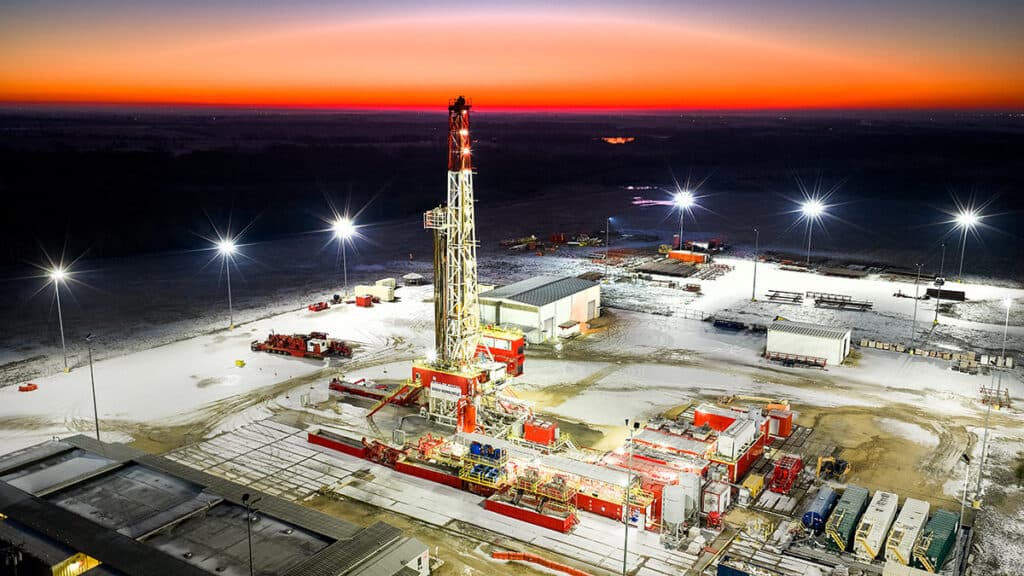
The award enables full-scale field testing of Deep Isolation's Universal Canister System, including regulatory validation and demonstration of deep borehole disposal using a nonradioactive commercial pilot in Cameron, Texas. That facility is managed by the nonprofit Deep Borehole Demonstration Center. The pilot will run the UCS through the complete disposal workflow, including emplacement, retrieval, and sealing, all before any radioactive material goes anywhere near the hole.
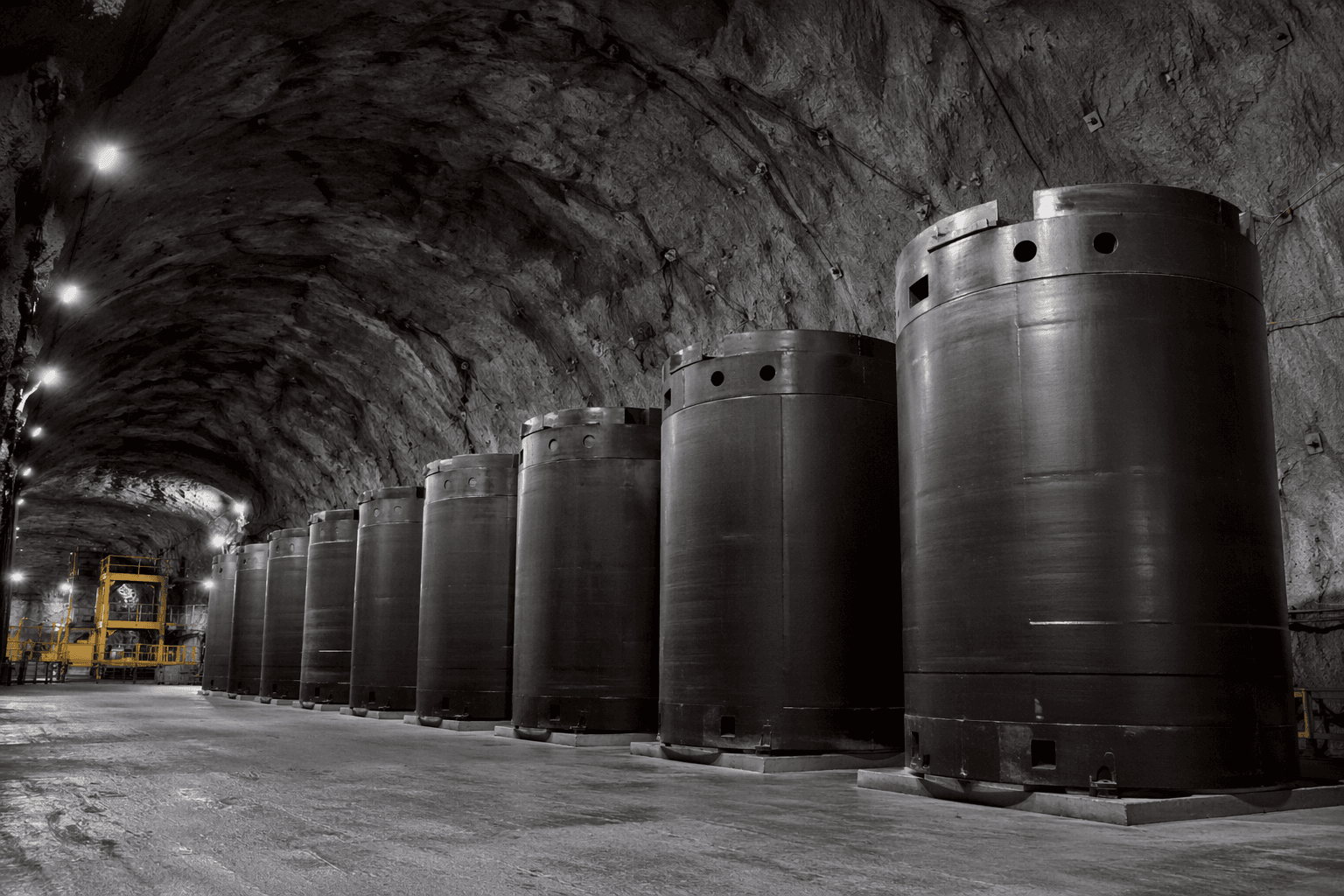
The UCS is the linchpin of the whole approach. Developed through the DOE-funded Project UPWARDS in partnership with NAC International, it handles multiple advanced reactor waste types, including vitrified waste from reprocessing, TRISO-based spent fuel, and halide salts from molten salt reactors. The architecture is designed to serve a single canister across storage, transportation, and permanent disposal without repackaging, which is the kind of standardization that could meaningfully simplify fuel cycle logistics for both existing light water reactors and the advanced reactor fleet currently seeking NRC approval.
The horizontal disposal section of a Deep Isolation borehole extends up to two miles in length and sits anywhere from several thousand feet to two miles beneath the surface, depending on geology. The company prefers clay-rich shale: ductile, self-healing material where fractures close rather than persist as groundwater pathways. After canisters are emplaced, the vertical access shaft and the entrance to the horizontal section are sealed with layers of rock, bentonite, and other engineered barrier materials.
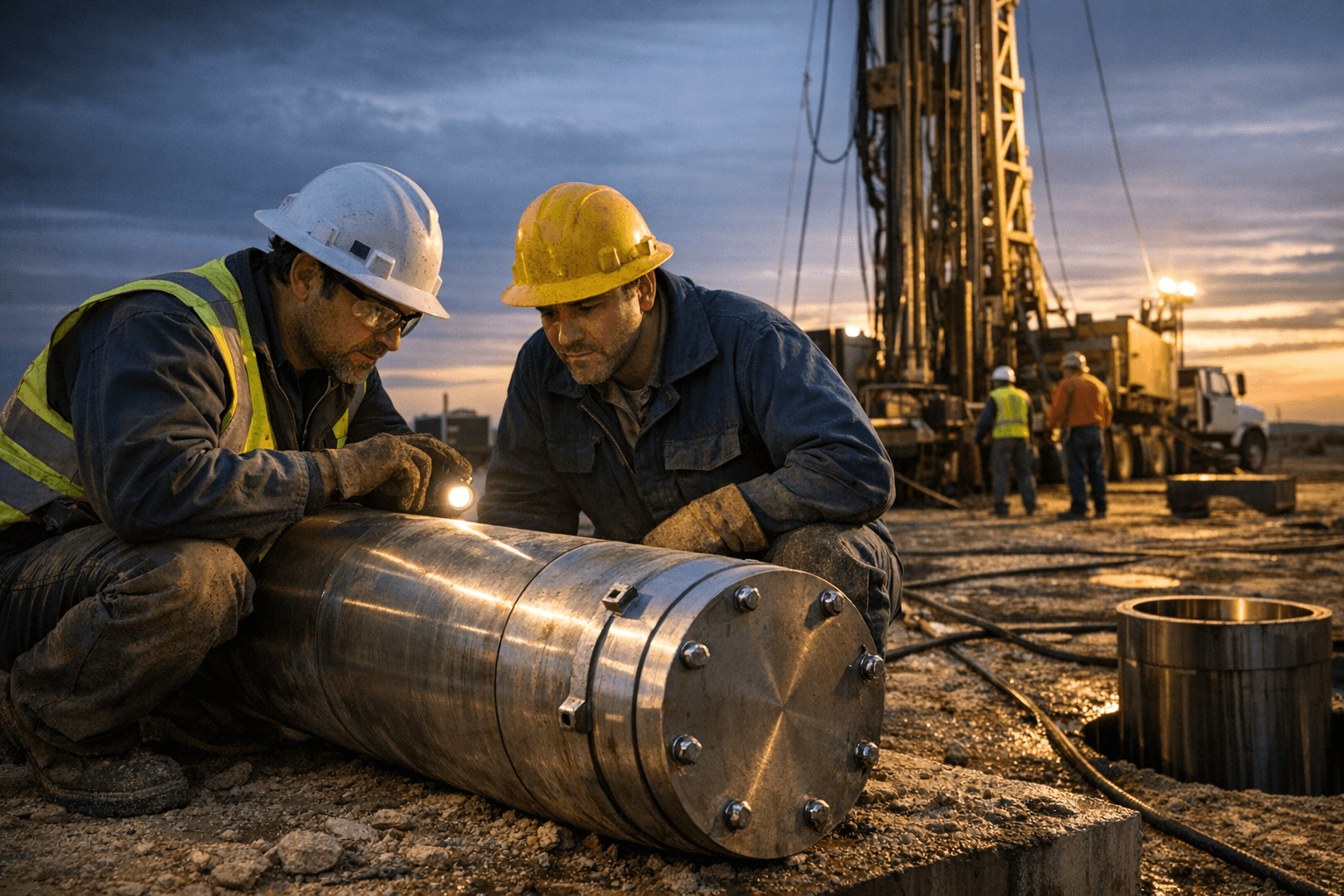
What Cameron has to prove goes beyond whether the canister survives pressure loading at depth. The pilot needs to generate the regulatory data package that supports a licensing path, the step the U.S. waste program has been unable to take since the Nuclear Waste Policy Act designated Yucca Mountain as the sole repository option in 1987 and effectively froze alternatives for a generation.
Rod Baltzer, President and CEO of Deep Isolation, said the award "validates years of pioneering work on the Universal Canister System" and positions the company to deliver "the world's first full-scale, end-to-end, commercial-ready deep borehole disposal solution."
The SCALEUP program bridges the gap between pilot-scale demonstration and full commercial deployment, providing funding and support to validate first-of-a-kind energy technologies. Funding is contingent on DOE milestone negotiations, so the $40 million is a ceiling, not a guarantee. The negotiation timeline, state and federal permitting in Texas, and the technical performance of the UCS under real borehole conditions will determine whether this becomes the commercialization test that actually counts.
This article was produced by Prism’s automated news system from verified source data, official records, and press releases, then run through automated quality and moderation checks before publishing. The system is built and supervised by the people who set the standards it runs under. Read our full AI policy.
Did this article answer your question?