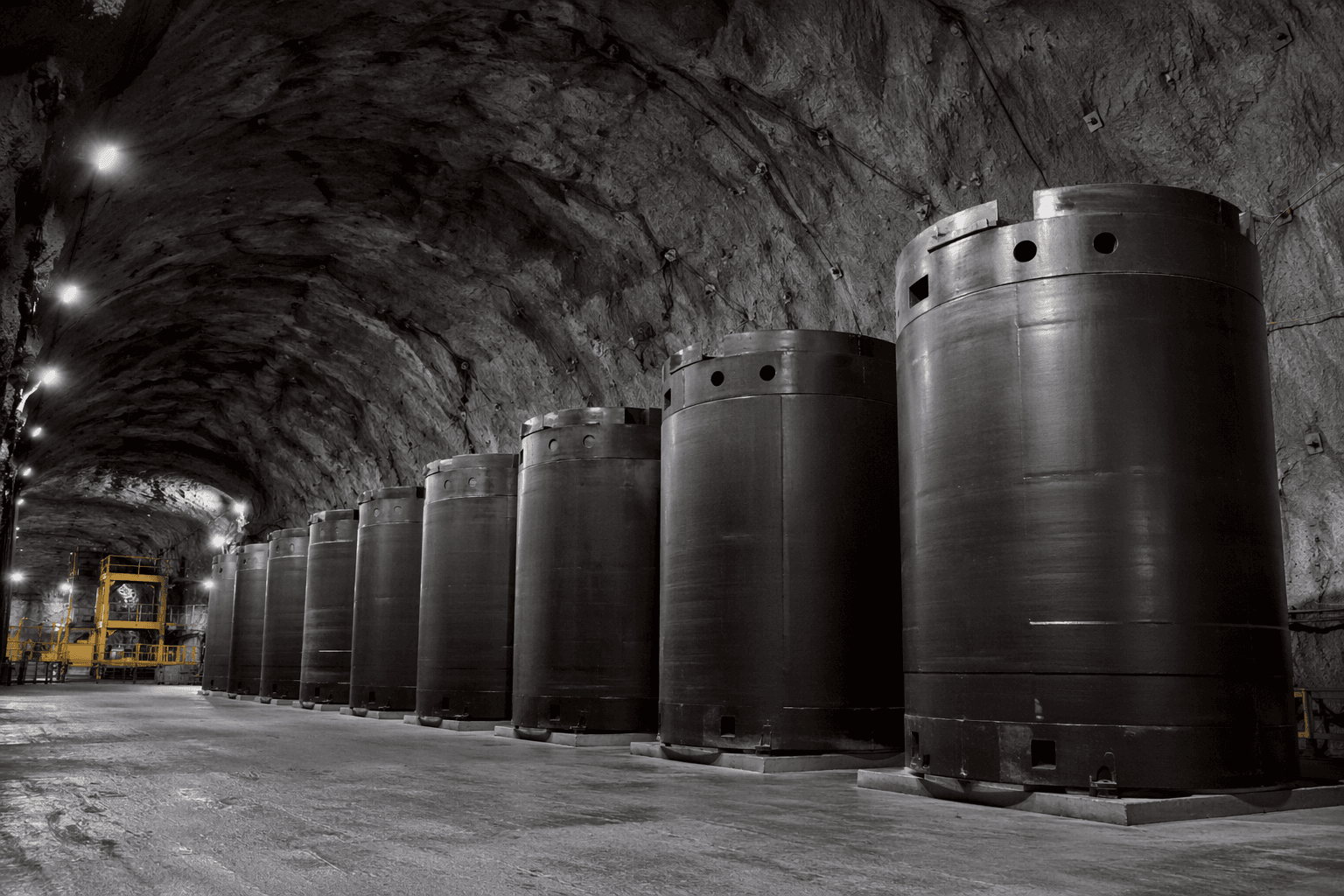
DOE selects five companies to negotiate surplus plutonium fuel use
DOE moved five companies into talks that could turn 20 metric tons of surplus plutonium into reactor fuel, but the hard part is still ahead.
The Department of Energy has opened the first serious path toward turning about 20 metric tons of surplus plutonium into advanced-reactor fuel, selecting five companies for advanced negotiations under its Surplus Plutonium Utilization Program. The companies, identified by the American Nuclear Society as Oklo, Flibe Energy, Exodys Energy, SHINE Technologies and Standard Nuclear, are not getting final awards yet. They are entering the stage where fuel-cycle promises have to survive the realities of security, safeguards, material accountability and licensing.
That matters because plutonium disposition has long sat at the sharpest edge of the U.S. fuel cycle. DOE and the National Nuclear Security Administration have spent years trying to dispose of 34 metric tons of surplus plutonium, material that was once intended for mixed oxide, or MOX, fuel before DOE cancelled the MOX project in 2018. In the 2023 final environmental impact statement, the preferred alternative for the full 34 metric tons was dilute-and-dispose. This new program does not erase that history, but it does create a second track: instead of burying the material, DOE is trying to see whether a portion of it can be converted into fuel for advanced reactors.

Before any of that becomes commercial reality, the supply chain has to exist. The final surplus plutonium disposition environmental impact statement said the program would require new, modified or existing capabilities at Pantex Plant in Amarillo, Texas, Los Alamos National Laboratory in New Mexico, Savannah River Site in South Carolina, Y-12 National Security Complex in Tennessee and the Waste Isolation Pilot Plant in New Mexico. The inventory includes both pit and non-pit plutonium, which means the work is not a simple handoff from a warehouse to a fab line. It is a coordinated fuel-cycle project that will have to prove it can move, process and account for weapons-usable material without creating new risks.
Of the five companies, Oklo looks best positioned to make that leap real. It said its plutonium-utilization effort would be done in partnership with newcleo, with newcleo bringing fuel experience and potential project capital, subject to definitive agreements, approvals and U.S. security and safeguards requirements. Oklo and newcleo had already outlined plans for advanced fuel fabrication and manufacturing infrastructure in the United States, with newcleo saying it planned to invest up to $2 billion through an affiliated vehicle. That is the kind of industrial scaffolding the program will need if it is going to move from negotiation to loaded fuel.
SHINE Technologies and Standard Nuclear add another layer of significance because they suggest DOE is not betting on a single reactor vendor or one narrow fuel form. The U.S. Nuclear Regulatory Commission is already considering new fuel technologies across fabrication, transportation, in-reactor requirements, reprocessing and spent fuel storage and disposal, which is exactly the terrain this program will have to cross. DOE first signaled the 34-metric-ton effort in December 2020, and the May 28 selections show the idea is still alive, but now it has to become a licensed industrial pathway. That is the real milestone: not plutonium on paper, but plutonium that can actually run in a reactor.
This article was produced by Prism’s automated news system from verified source data, official records, and press releases, then run through automated quality and moderation checks before publishing. The system is built and supervised by the people who set the standards it runs under. Read our full AI policy.
Did this article answer your question?